
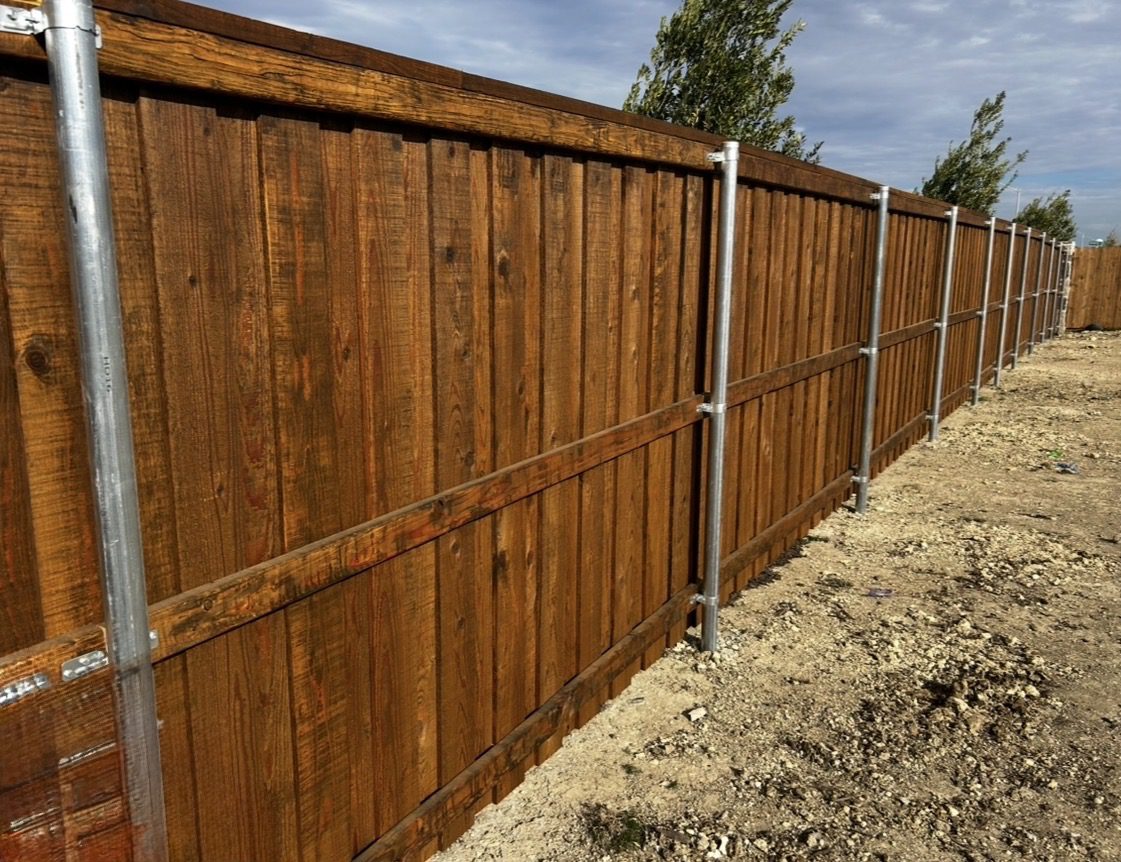
Wondering about wood fence cost in Fort Worth, TX? Most homeowners in this area pay between $15 and $75 per linear foot installed, depending on the material and fence style.
This guide covers 2026 pricing by wood type, local permit rules, North Texas-specific factors like clay soil and heat, and everything else you need to budget your project with confidence. Keep reading and you’ll have a clear number before you ever pick up the phone.
Here’s a fast starting point before we go deeper into the details.
| Wood Type | Installed Cost Per Linear Foot |
| Pressure-Treated Pine | $15 to $34 |
| Cedar (Standard) | $30 to $55 |
| Cedar Board-on-Board | $35 to $60 |
| Cedar Premium / Custom | $50 to $75 |
These prices reflect Fort Worth labor rates specifically. National averages run lower because they don’t factor in local material costs, deeper post requirements from clay soil, or current DFW contractor demand
What Affects Wood Fence Cost in North Texas?
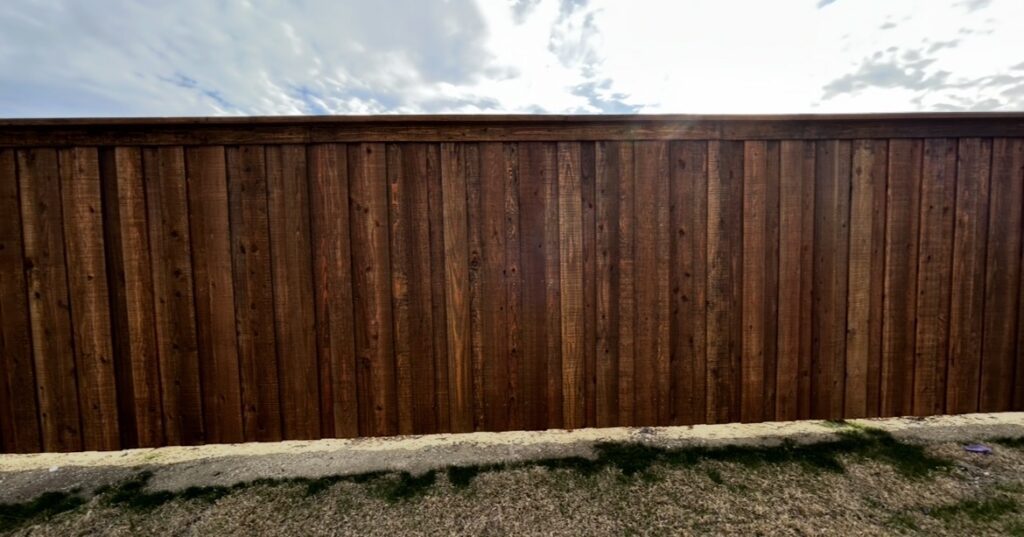
Six factors drive your final project price. Understanding them helps you budget accurately and spot low-ball quotes that leave things out.
Material Type
Cedar Wood Fence Installation costs more upfront than pressure-treated pine, but it outlasts pine by 5 to 10 years in this climate. The price gap between wood types usually runs $10 to $25 per linear foot installed. That single choice shapes your entire budget.
North Texas Clay Soil and Post Depth
This is the factor most homeowners don’t hear about until after they’ve signed a contract.
Blackland Prairie clay soil runs through much of Fort Worth. It expands when wet and contracts when dry. That movement pushes fence posts upward over time if they’re not deep enough.
Standard post depth is 24 inches. In North Texas, posts should go 30 to 36 inches deep, set in concrete. This adds $2 to $5 per linear foot to your labor cost. It also means your fence stays straight for 15 to 20 years instead of leaning after three.
Any contractor who skips this detail in their quote deserves a second look before you sign.
High Winds, Summer Heat, and Termites
DFW wind loads are serious, especially on open suburban lots. Fences built with standard 8-foot post spacing can rack and warp in strong storms. Defender Fence Company sets posts every 6 to 8 feet on exposed properties, which costs slightly more upfront but protects your investment for decades.
Summer temperatures in Fort Worth regularly hit 105 to 110 degrees. That kind of heat dries out untreated wood fast, causing cracking and warping within a few seasons. Cedar’s natural oils slow that process down considerably.
Termite pressure in North Texas is also real. Cedar resists termites naturally. Pressure-treated pine has chemical protection, but it’s not as reliable long-term in this region.
Fence Length, Height, and Style
A standard 6-foot privacy fence is the baseline for most pricing. An 8-foot fence adds 15 to 25 percent to material cost. Board-on-board style stacks an extra layer of pickets for a solid, wind-resistant look, which adds both materials and labor.
Fence length is the biggest volume driver. More linear feet means more posts, more lumber, and more hours on the job.
Labor Rates in Fort Worth
Local labor in this market runs $8 to $20 per linear foot depending on complexity. Defender Fence Company serves the Fort Worth area with consistent, licensed crews.
Cedar vs. Pine vs. Pressure-Treated: Best Wood Fence for Fort Worth
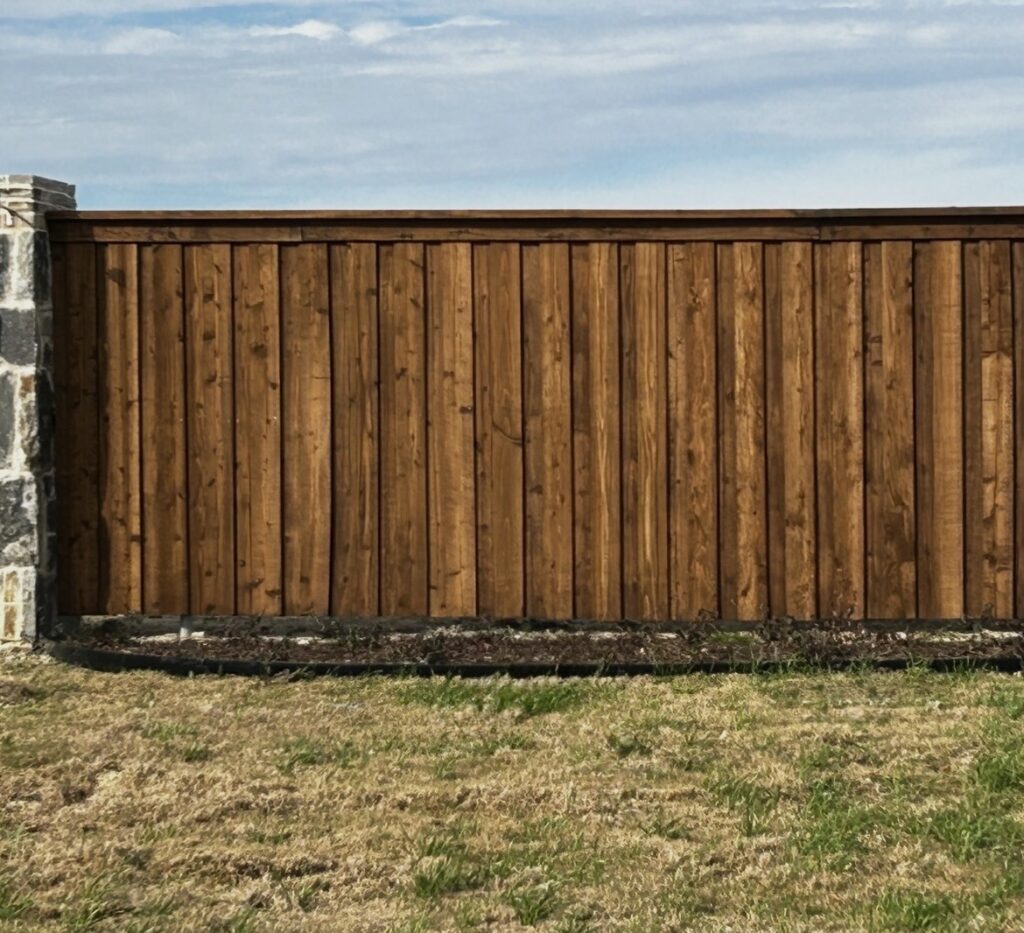
Choosing the wrong wood for North Texas is one of the most common and expensive mistakes homeowners make. Here’s a direct comparison built for this climate.
Comparison Table for North Texas Conditions
| Wood Type | Installed (per LF) | Lifespan in TX | Termite Resistance | Maintenance |
| Pressure-Treated Pine | $15 to $34 | 10 to 15 yrs | Moderate | High |
| Cedar (Standard) | $30 to $55 | 15 to 20 yrs | High | Medium |
| Cedar Board-on-Board | $35 to $60 | 15 to 25 yrs | High | Medium |
| Cedar Premium | $50 to $75 | 20 to 25+ yrs | High | Low |
Our Recommendation for North Texas Homeowners
For most Fort Worth homeowners, cedar is the right call. It handles heat better than pine, resists termites without chemical treatment, and holds up through the expansion and contraction cycles that come with North Texas weather.
If budget is the primary concern, pressure-treated pine gets you a functional fence. Just plan for more maintenance and a shorter lifespan.
Cost Per Linear Foot by Wood Type
| Wood Type | Material Only | Installed |
| Pressure-Treated Pine | $7 to $15 | $15 to $34 |
| Cedar (Standard) | $10 to $18 | $30 to $55 |
| Cedar Board-on-Board | $14 to $22 | $35 to $60 |
| Cedar Premium | $18 to $30 | $50 to $75 |
| Redwood | $20 to $35 | $55 to $85 |
Total Project Cost by Fence Length
| Fence Length | Budget Pine | Mid-Grade Cedar | Premium Cedar |
| 100 Linear Feet | $1,500 – $2,500 | $3,000 – $5,000 | $4,500 – $6,500 |
| 150 Linear Feet | $2,250 – $3,750 | $4,500 – $7,500 | $6,750 – $9,000 |
| 200 Linear Feet | $3,000 – $5,000 | $6,000 – $10,000 | $9,000 – $12,000 |
| 250 Linear Feet | $3,750 – $6,250 | $7,500 – $12,500 | $11,250 – $15,000 |
Gate Installation Cost
A wood gate adds both function and security to your finished fence. Pricing in Fort Worth currently runs:
Single walk gate: $150 to $400 installed. Double driveway gate: $300 to $900 installed.
Gate cost depends on width, hardware weight, and locking mechanism.
Old Fence Removal Cost
Most homeowners have an existing fence that needs to come down first. Removal and disposal costs $3 to $8 per linear foot. Some contractors bundle this into the total project quote. Others break it out as a separate line. Always confirm before signing.
Fort Worth Fence Permit Requirements and Texas HOA Rules
Getting permits wrong costs you time, money, and sometimes a forced removal.
Fort Worth Fence Permit Rules (2026)
| Situation | Rule |
| Solid fence over 6 ft tall | Permit required |
| Open fence over 8 ft tall | Permit required |
| Front yard fence | Max 4 ft, open design at 50% density |
| Corner lot | No fence over 2.5 ft within 20 ft of corner |
| Pool fence | Separate self-closing gate and gap requirements |
| Permit cost | $50 to $150 typically |
If you’re unsure whether your project needs a permit, Defender Fence Company can confirm your specific situation during your free estimate.
Texas HOA Fence Law: What SB 1588 (2021) Means for You
A lot of Fort Worth homeowners don’t know this law exists. Here’s what it actually says.
Texas Senate Bill 1588, passed in 2021, gives homeowners the right to build a perimeter security fence regardless of HOA opposition. Your HOA cannot block the fence entirely.
What an HOA can still do: require material pre-approval and restrict certain types of materials. What it cannot do: tell you that you can’t have a fence at all.
Replacing an existing fence with the same material does not require HOA approval under this law. Getting written confirmation from your HOA before starting is still a smart step.
Pool Fence Requirements in Fort Worth
Pool fences follow separate rules in Fort Worth. Key requirements include self-closing gates, specific latch heights, and maximum gap sizes between boards. If your project involves a pool enclosure, mention it during your estimate so we can quote for full compliance.
Hidden Costs to Budget For
These are the line items that catch homeowners off guard. Knowing them upfront lets you compare quotes fairly and plan a realistic budget.
Slope and Terrain Premium
Sloped or uneven lots add 10 to 25 percent to total labor cost. This is common in parts of Fort Worth with elevation changes along drainage corridors and natural terrain breaks. Your installer should walk the lot before quoting.
Deep Post Setting for Clay Soil
As covered earlier, North Texas clay soil requires posts set 30 to 36 inches deep instead of the standard 24. This adds $2 to $5 per linear foot. It should appear as a specific line item in every Fort Worth estimate.
Staining, Sealing, and Long-Term Maintenance
Post-install staining runs $1 to $5 per square foot. In North Texas, re-staining every 2 to 3 years is the best way to protect your investment from heat damage and moisture cycling. Budget $200 to $600 per year for routine maintenance.
Skipping the stain extends weathering. A fresh coat on a cedar fence every couple of years is far cheaper than replacing boards ahead of schedule.
Lattice Toppers and Decorative Caps
Optional upgrades like lattice toppers, decorative post caps, and routed board edges can nearly double per-panel material cost. They look sharp, but make sure they’re itemized separately so you can compare base pricing apples-to-apples.
Frequently Asked Questions About Wood Fence Cost
How much would 100 feet of wood fence cost?
In Fort Worth, 100 linear feet of installed cedar fence costs approximately $3,000 to $5,500 depending on board style and add-ons. Budget pine runs $1,500 to $2,500 for the same length.
How do I estimate the cost of a wood fence?
Start by measuring your perimeter in linear feet. Multiply that number by your chosen wood type’s installed cost per linear foot. Then add gate cost, old fence removal, and permit fees if required. Use our pricing tables above as your baseline, or call Defender Fence Company at 817-203-4757 for a free itemized estimate.
How much is 200 feet of wood fence?
A 200-linear-foot wood fence in Fort Worth typically costs $6,000 to $11,000 installed for cedar, or $3,000 to $5,000 for pressure-treated pine. Final cost depends on fence height, terrain, gate count, and whether removal is needed.
Do I need a permit for a wood fence in Fort Worth?
Yes, in some cases. Solid fences over 6 feet tall require a building permit in Fort Worth. Front yard fences are limited to 4 feet. Permits typically cost $50 to $150. Defender Fence Company confirms permit requirements as part of every free estimate.
Can my HOA stop me from building a fence in Texas?
No. Under Texas Senate Bill 1588 (2021), an HOA cannot block a homeowner from installing a perimeter security fence. Your HOA may only regulate material type and require prior material approval. Replacing an existing fence with the same material doesn’t require HOA approval at all.
What is the best wood for a fence in North Texas?
Cedar is the top choice for Fort Worth. Its natural oils resist heat-related warping, termites, and moisture rot better than pine. Over a 15-year period, cedar typically delivers better total value despite the higher upfront cost.