A fence is more than just a boundary for your property it’s an investment in security, privacy, and curb appeal. With so many materials, styles, and installation options available, choosing the right fence for your farm or ranch can feel overwhelming. Defender Fence Company is here to help Burleson property owners understand their options and make informed decisions for their land.
Whether you need to secure livestock, protect your property, or simply enhance the appearance of your ranch, we offer fencing solutions tailored to meet your needs.
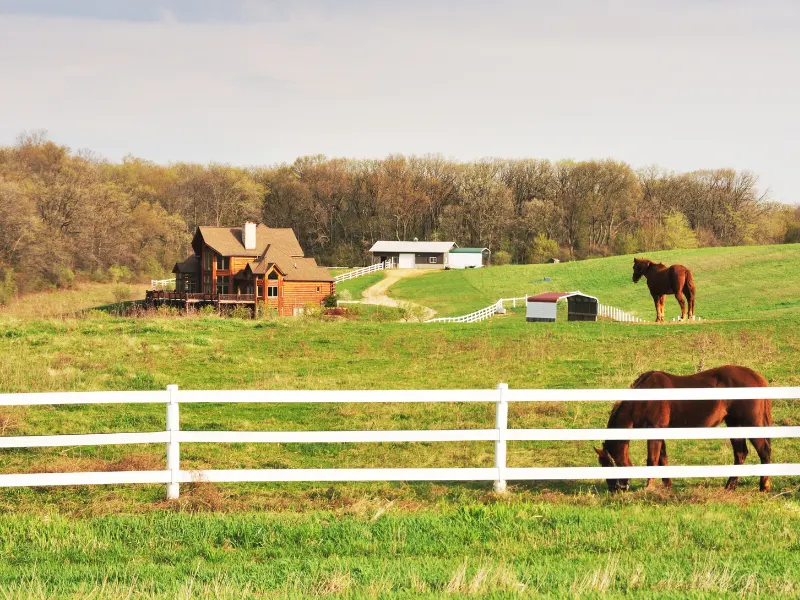
Farm & Ranch Fencing Benefits
Farm and ranch fences serve many purposes for landowners in Burleson:
Security: Protects your property, keeping intruders out and your livestock or pets safely contained.
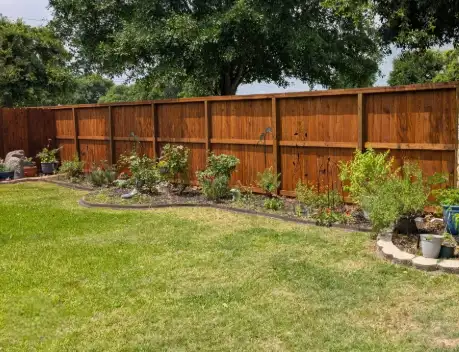
Privacy: Creates a private space for outdoor activities or for your animals to roam without disturbance.
Pet Containment: We specialize in dog run fencing and pet enclosures to ensure your pets are safe and secure.
Aesthetics: Enhances the beauty of your property, adding value while providing a secure boundary.
Farm & Ranch Fence Types We Install in Burleson, TX
Defender Fence installs all major farm and ranch fence systems and custom combinations for properties across Johnson, Parker, and Tarrant counties:
Fence Type | Best For | Key Specs | Notes |
Welded Pipe Fence (3-Rail) | Cattle, large livestock, high-visibility boundaries | 2-3/8″ or 2-7/8″ steel pipe; 3 horizontal rails; posts at 10-12 ft; painted or powder-coated finish | Most durable farm fence; 20-50 year lifespan; low maintenance after install |
Welded Pipe Fence (4-5 Rail) | Horses, corrals, pens, high-containment areas | 2-3/8″ or 2-7/8″ pipe; 4-5 rails; tighter spacing; often combined with non-climb wire | Standard for horse paddocks; smooth pipe reduces injury risk vs. barbed wire |
Non-Climb Horse Wire + Pipe | Equestrian properties, horse paddocks, properties with foals | 2×4″ or 2×2″ woven mesh attached inside pipe or wood rails; prevents legs/necks going through | Gold standard for horse safety; eliminates barbed wire injury risk on equestrian properties |
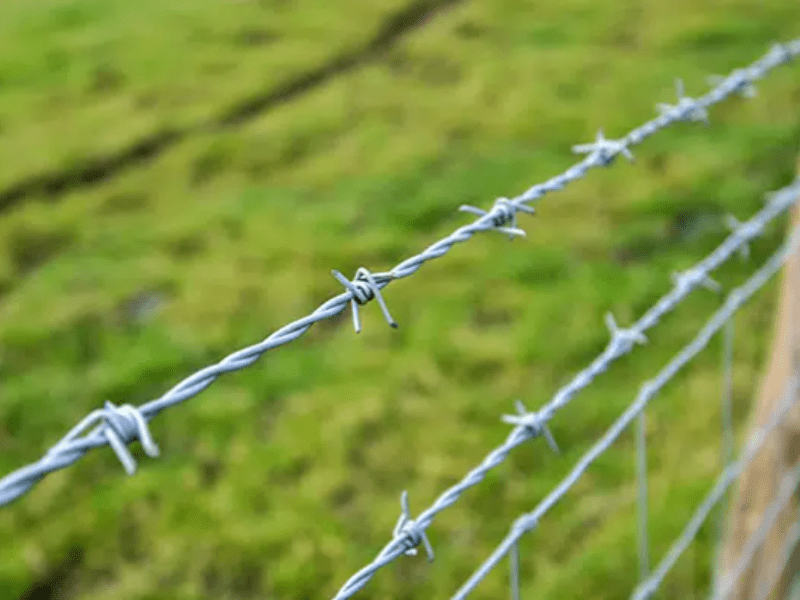
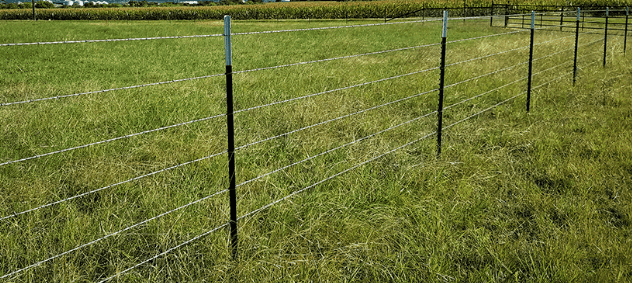
T-Post + Barbed Wire | Cattle perimeter, large acreage boundary runs, property line marking | Steel T-posts every 8-12 ft; 3-5 strands 12.5-gauge galvanized wire; wood brace posts at corners | Most cost-effective per linear foot for large properties; standard for cattle in North Texas |
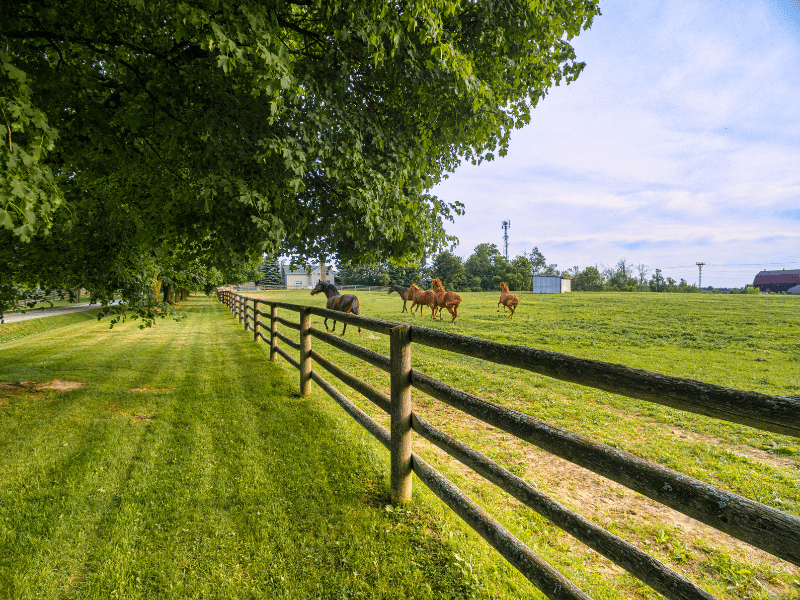
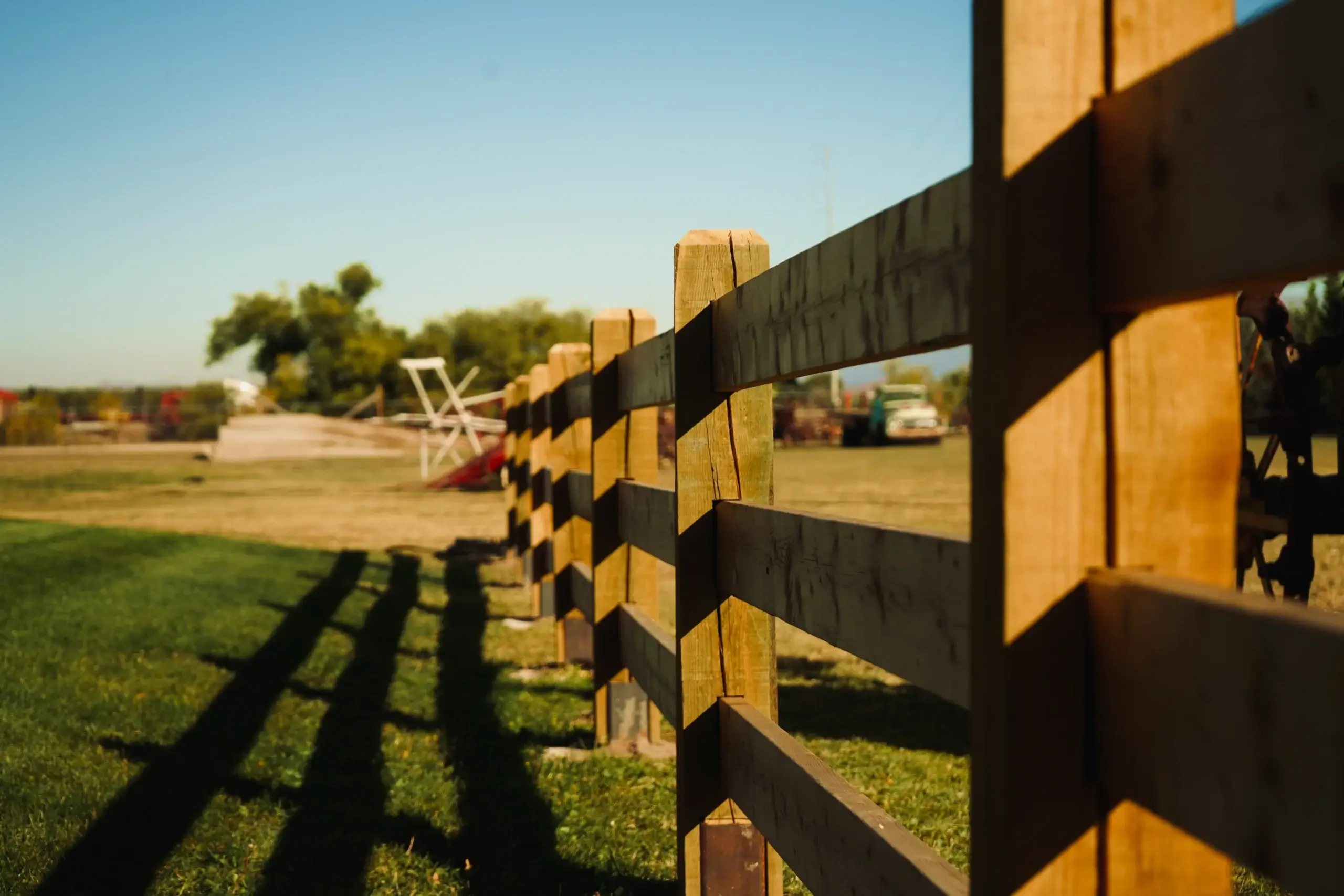
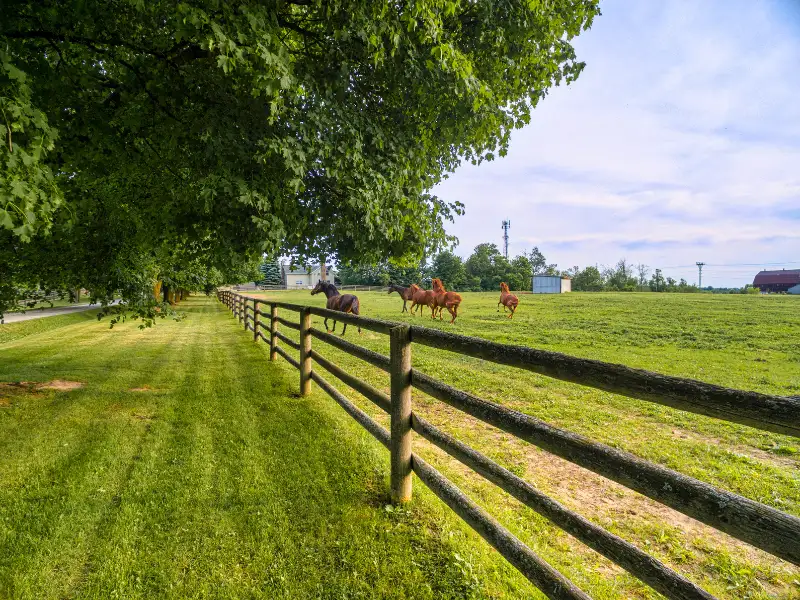
3-Rail or 4-Rail Vinyl Ranch Rail | Horse paddocks, decorative ranch boundaries, HOA-adjacent rural properties | PVC vinyl rails in white or tan; 3 or 4 horizontal rails; no painting or staining required; non-climb add-on available | Best choice when appearance matters alongside function; zero maintenance vs. wood or pipe |
Combination Builds | Properties with mixed needs: pasture perimeter, paddock, driveway entry | Pipe or vinyl at high-visibility areas; barbed wire on back perimeter; non-climb in paddocks; decorative gate at entry | Most common approach for 5+ acre properties with both livestock and curb appeal requirements |
Choosing the Right Fence for Your Livestock in North Texas
Not every fence is right for every animal. In Johnson, Parker, and Tarrant counties, many rural properties have a mix of livestock — and choosing the wrong fence type can lead to costly repairs, escaped animals, or livestock injuries.
Here’s a quick guide to the best fencing options for different animals:
Cattle Fencing
For cattle pastures in North Texas, T-post and 4–5 strand barbed wire remains the most common and cost-effective option.
For pens, corrals, and high-pressure areas, 3-rail welded pipe fence is the better long-term solution because it holds up much better against the force large animals place on fence lines.
Horse Fencing
Barbed wire is not recommended for horses because they can easily injure themselves on it, especially when startled.
Safer horse fencing options include:
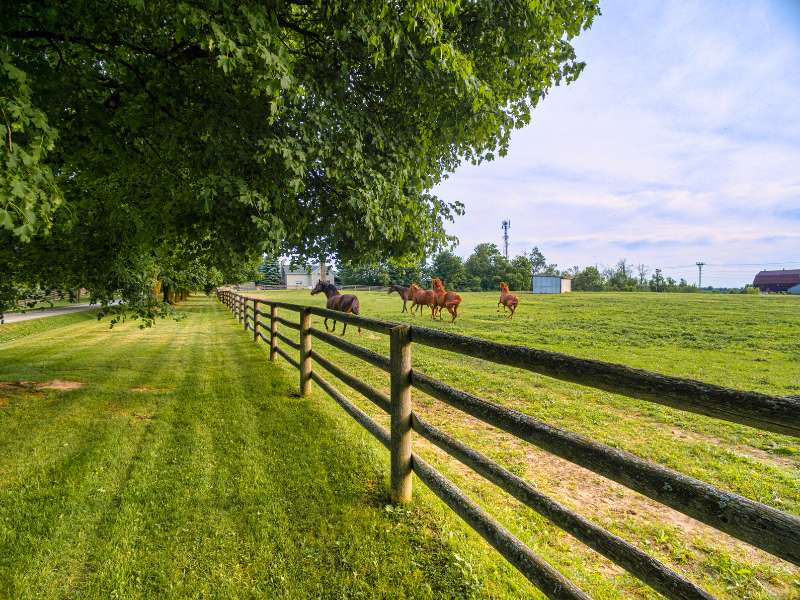
- 4-rail or 5-rail welded pipe fence — smooth, durable, and highly visible
- Non-climb horse wire attached inside pipe or board rails
- 4-rail vinyl ranch rail fencing
These options provide the visibility horses need while reducing injury risks.
Goat & Sheep Fencing
Goats and sheep are known for testing fences and finding escape routes.
The standard recommendation is:
- Non-climb woven wire (field fence or cattle panel)
- Posts spaced approximately 8 feet apart
- A smooth bottom wire placed close to the ground
This setup helps prevent animals from slipping underneath or pushing through weak spots.
Mixed Livestock Properties
For properties with multiple animal types, a combination fencing system often works best.
A common setup includes:
- Welded pipe with non-climb wire around paddocks
- Barbed wire fencing along large pasture perimeters
- Vinyl or pipe fencing at driveway entrances for curb appeal and durability
Not Sure What Your Property Needs?
Defender Fence offers free on-site estimates and will walk your property with you to recommend the best fencing system for your livestock, land layout, and budget.
How Much Does Farm & Ranch Fencing Cost in Texas?
Farm and ranch fencing projects vary widely based on fence type, acreage, terrain, and gate requirements. Below are current installed price ranges for the North Texas market:
- T-Post & Barbed Wire (4–5 strand): approximately $3–$6 per linear foot installed
- Vinyl Ranch Rail (3-rail or 4-rail): approximately $15–$30 per linear foot installed
- Welded Pipe Fence (3-rail): approximately $15–$40 per linear foot installed
- Welded Pipe Fence (4–5 rail with non-climb wire): approximately $25–$40 per linear foot installed
Typical Cost to Fence One Acre
(Approximately 835 linear feet of perimeter)
- Barbed Wire (4–5 strand): $2,500–$5,000
- 3-Rail Welded Pipe Fence: $12,500–$33,000
- Vinyl Ranch Rail (3-rail): $12,500–$25,000
Factors That Affect Total Cost
Your final project cost depends on several factors, including:
- Fence type and rail count
- Pipe size and finish (painted vs. powder-coated)
- Terrain and soil conditions
- Number and type of gates
- Total project footage
- Land clearing requirements
Larger ranch fencing projects often have lower per-foot pricing because setup costs are spread across more footage.
Free Estimates & Financing
Defender Fence provides free on-site estimates and walks your property before preparing a quote.
For projects over $5,000, Hearth financing is available starting at 7.99% APR with terms up to 12 years.
Factors to Consider Before Installing a Farm or Ranch Fence
Before starting your fencing project, keep these important factors in mind:
Purpose: Determine whether you need security, aesthetics, or both for your farm or ranch.
Budget: Costs vary depending on materials, height, length, and specific features like gates.
Maintenance: Consider how much upkeep you are comfortable with. Some materials require more maintenance than others.
Local Regulations: Be sure to check local building codes, zoning laws, and HOA guidelines before beginning installation.
Fence Installation Tips for Long-Term Success
To ensure your fence lasts and provides reliable service, follow these expert installation tips:
Hire professional installers: Ensure your fence is level, secure, and properly installed to withstand the Texas weather.
Plan gate placement: Make sure gates are placed in convenient spots for easy access.
Choose a design that complements your property: Select a style that enhances your home and landscape for maximum curb appeal.
Protect Your Property with Professional Farm & Ranch Fencing
Whether you need to secure your livestock, improve your property’s aesthetics, or create private spaces for your family and animals, Defender Fence Company offers durable, customized fencing solutions for farms and ranches in Burleson, TX.
📞 Call today or request a free quote online for professional farm and ranch fence installation in Burleson, TX. Let us help you choose the perfect fence for your property!