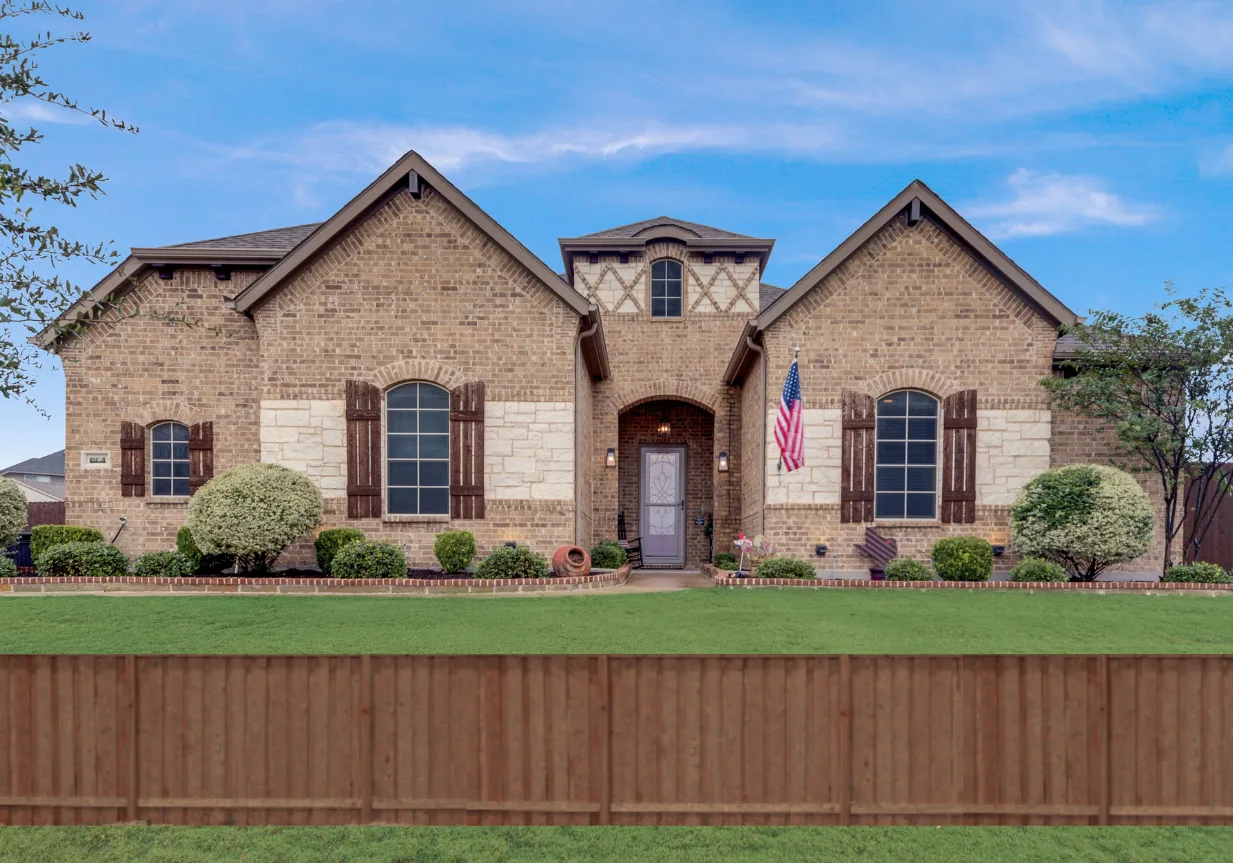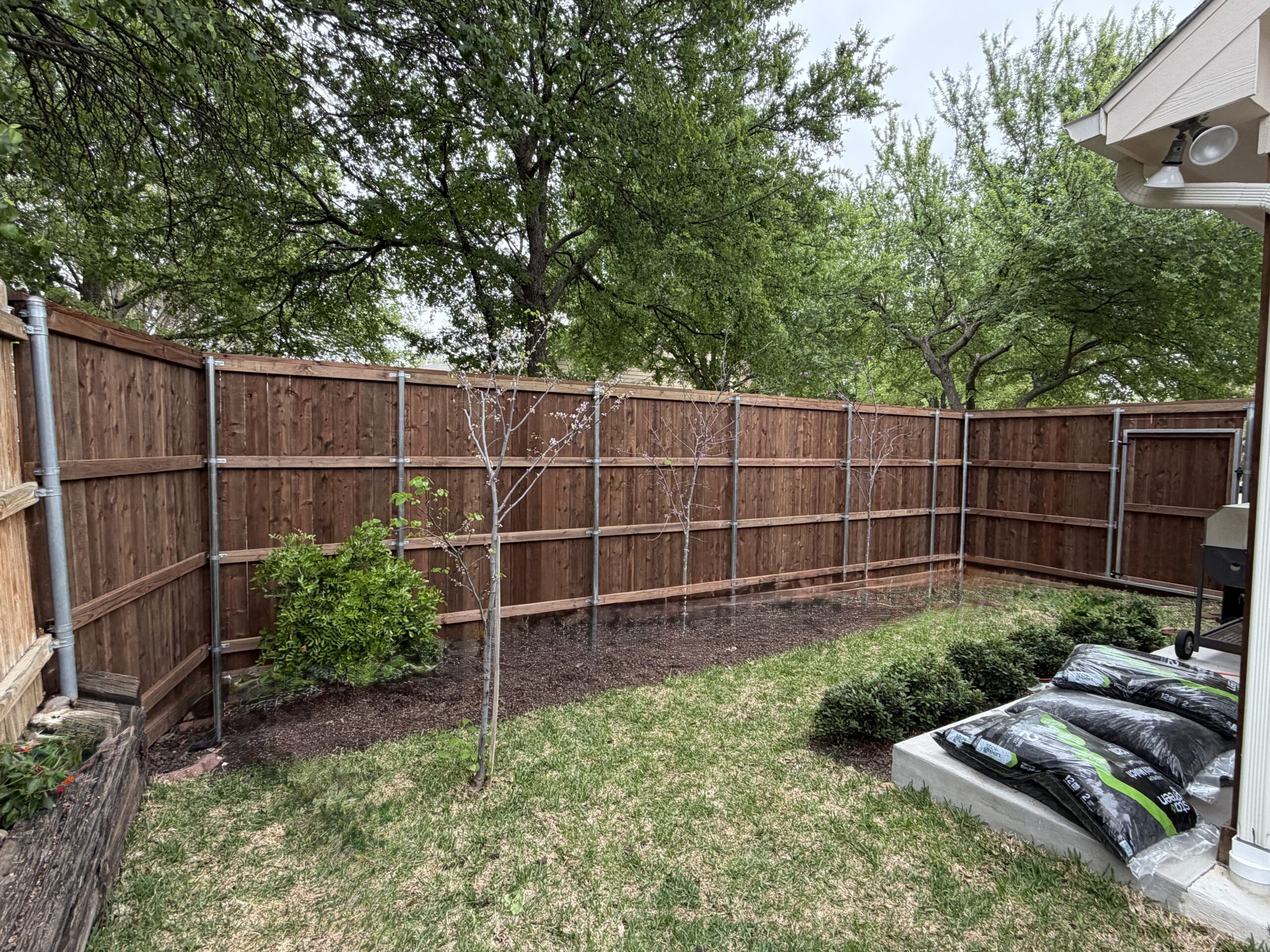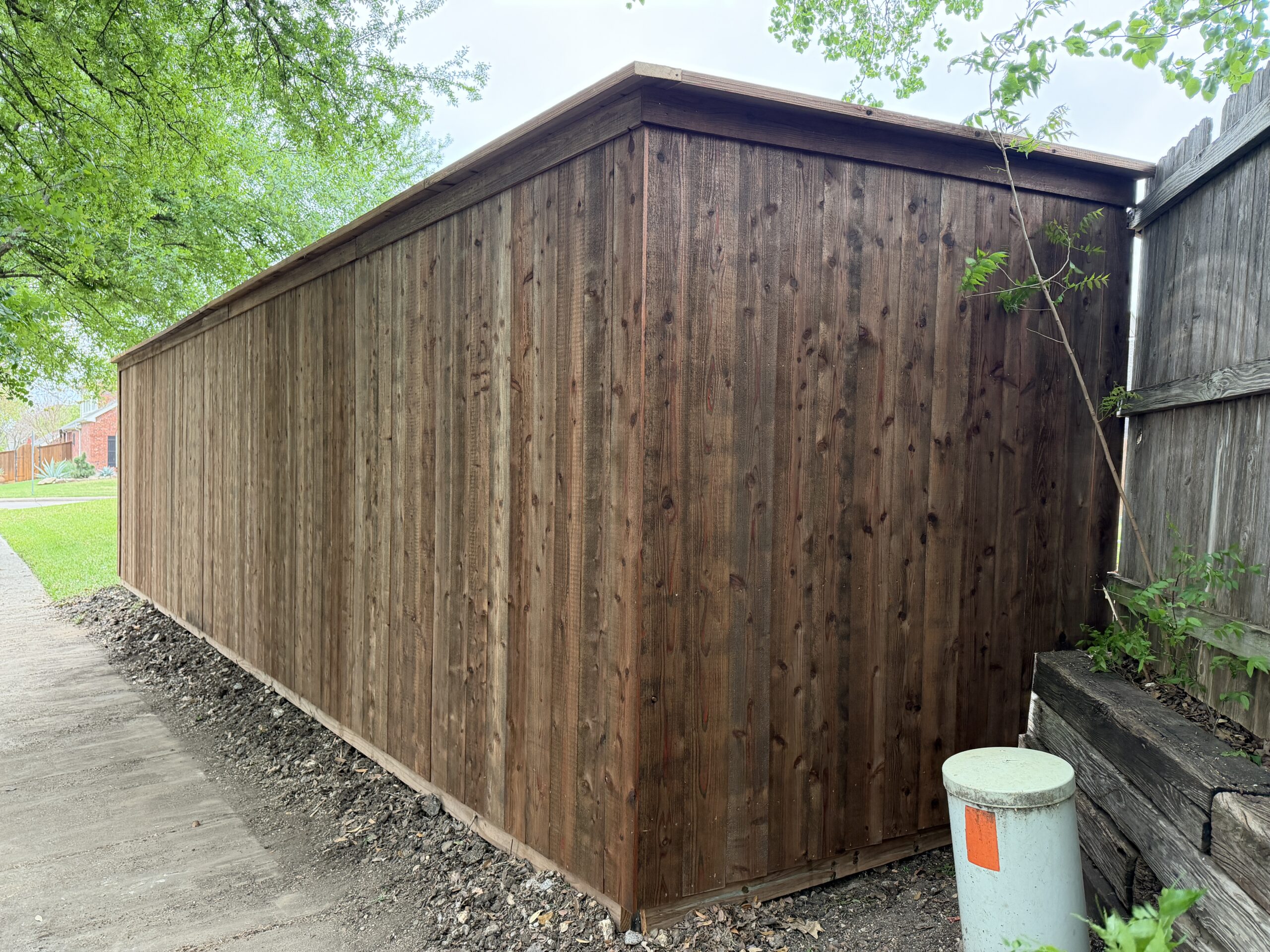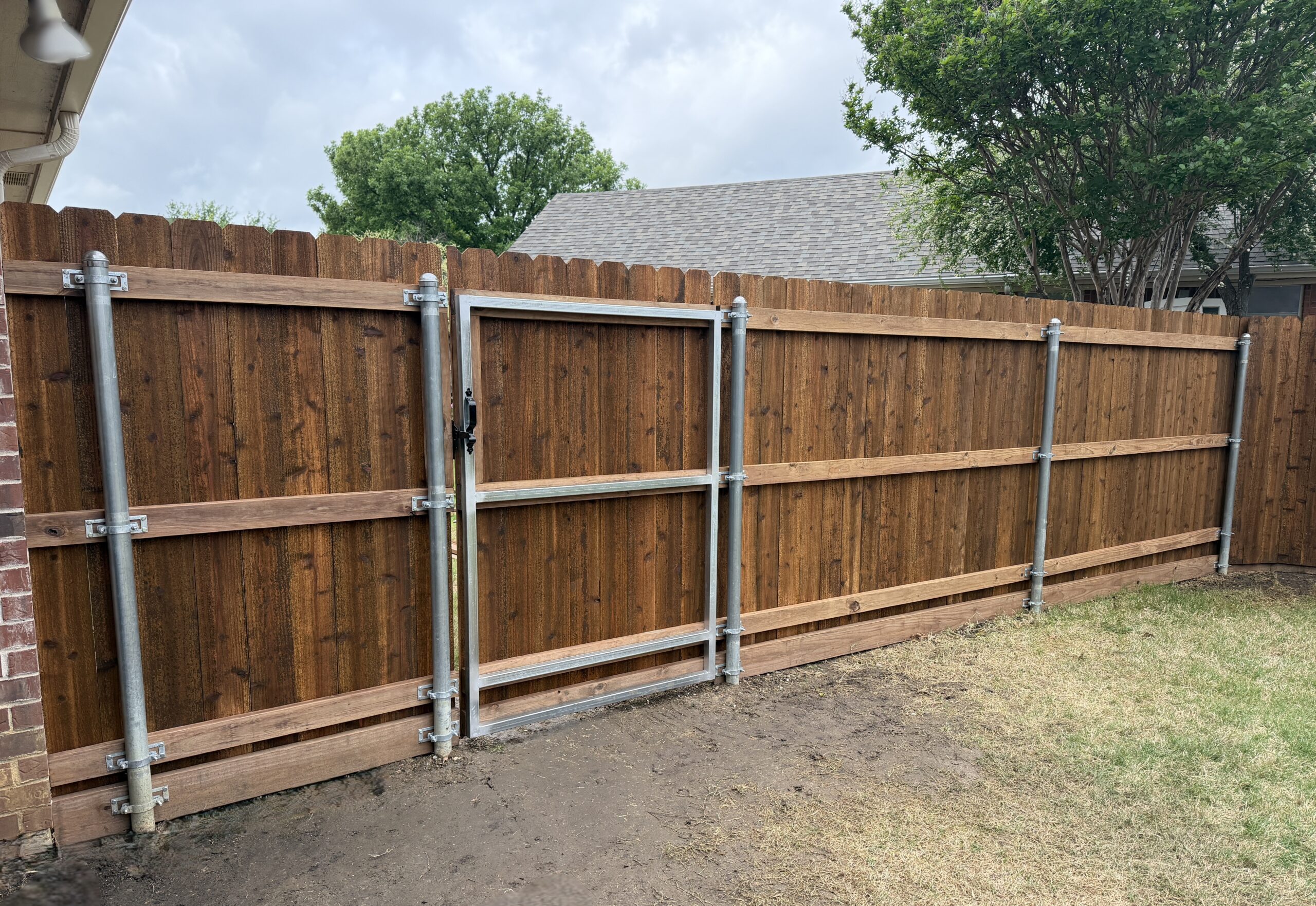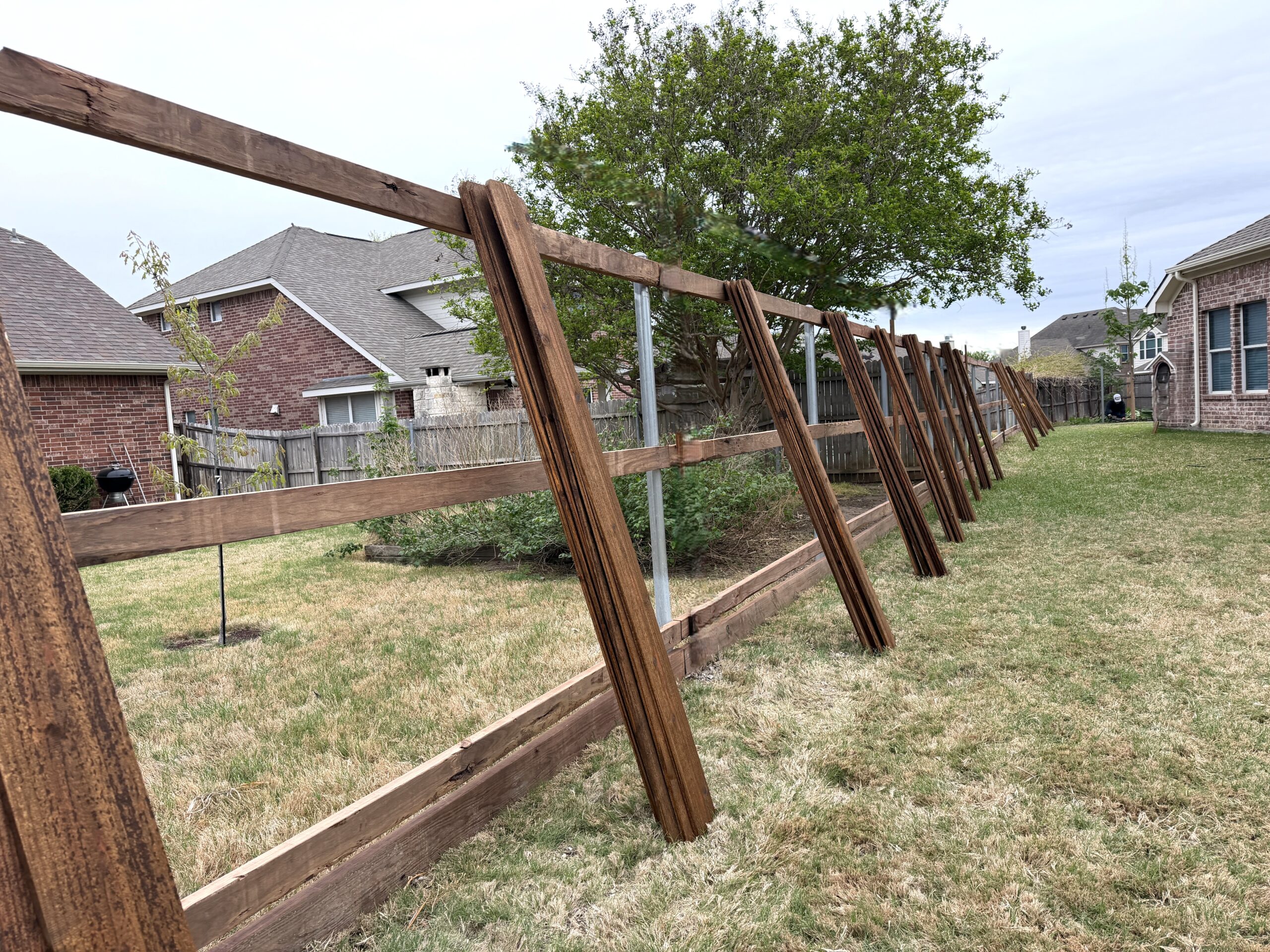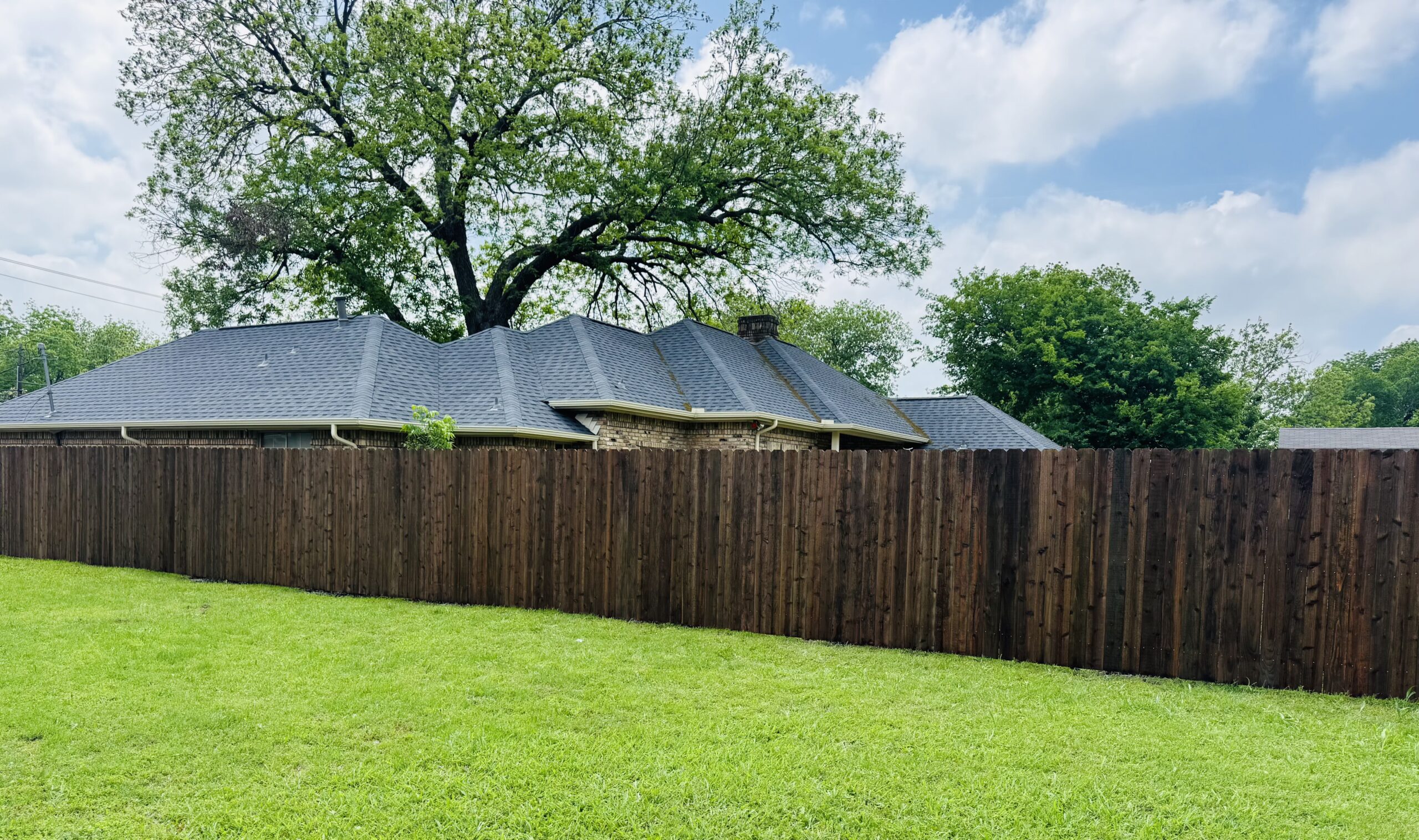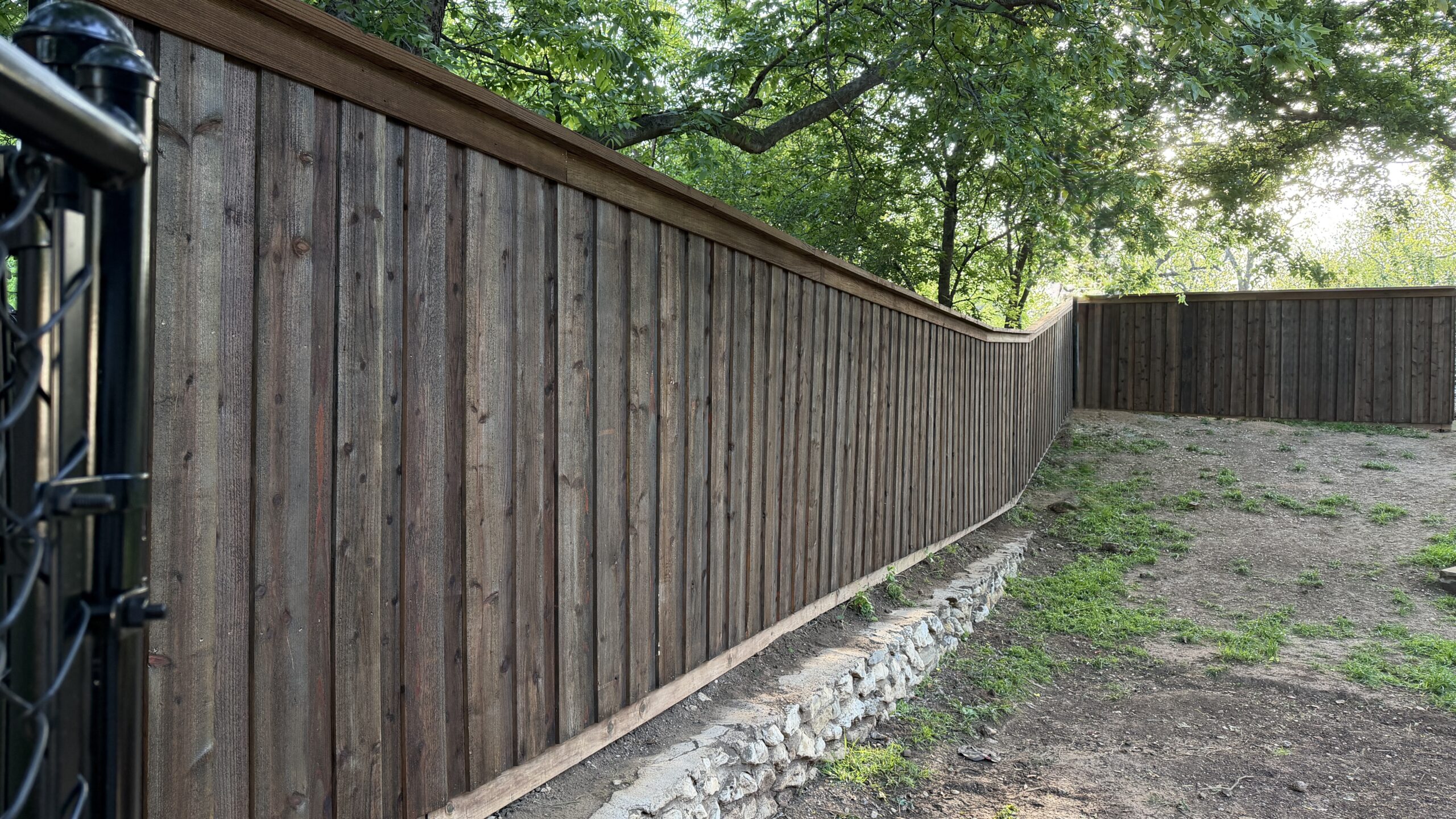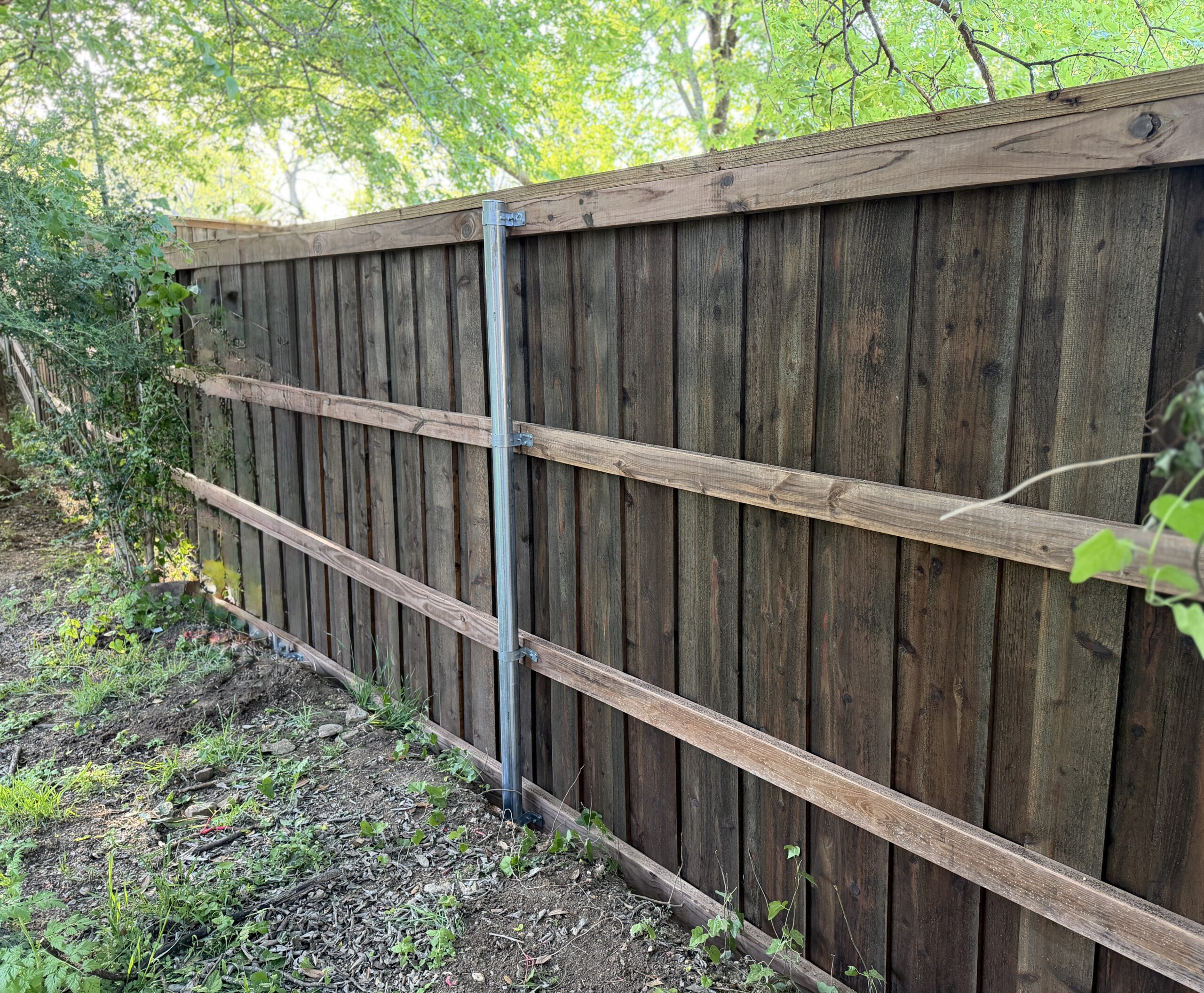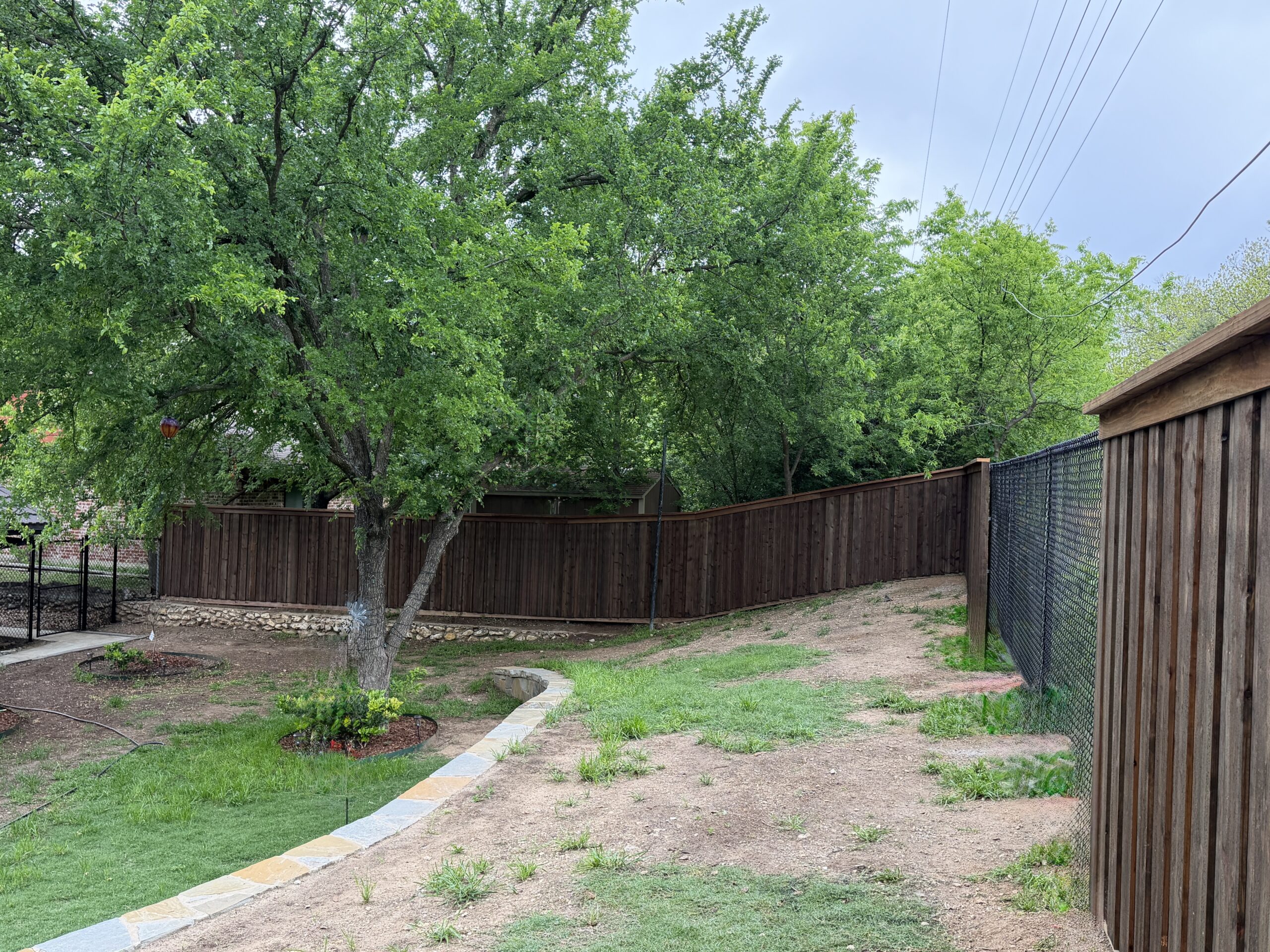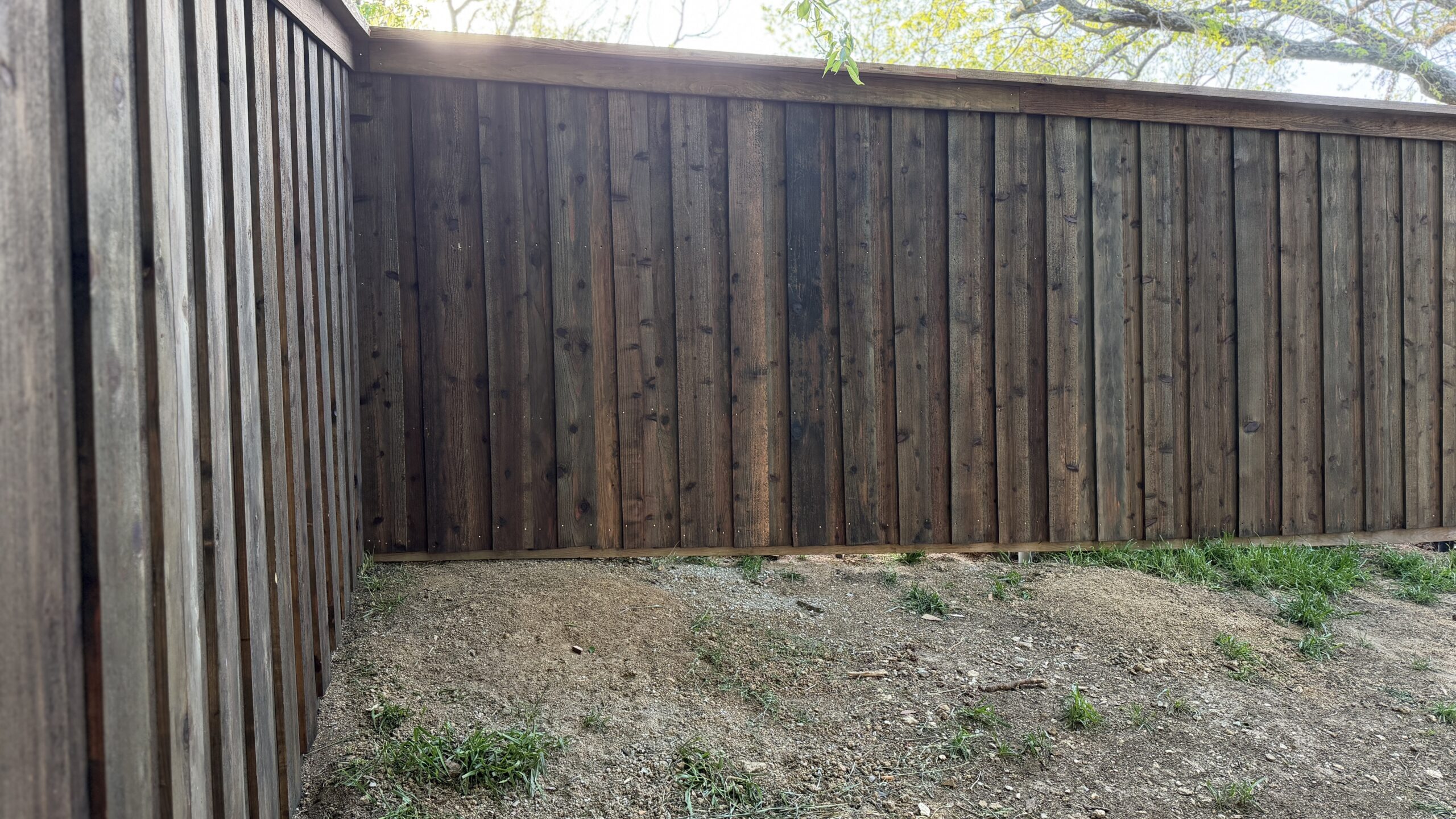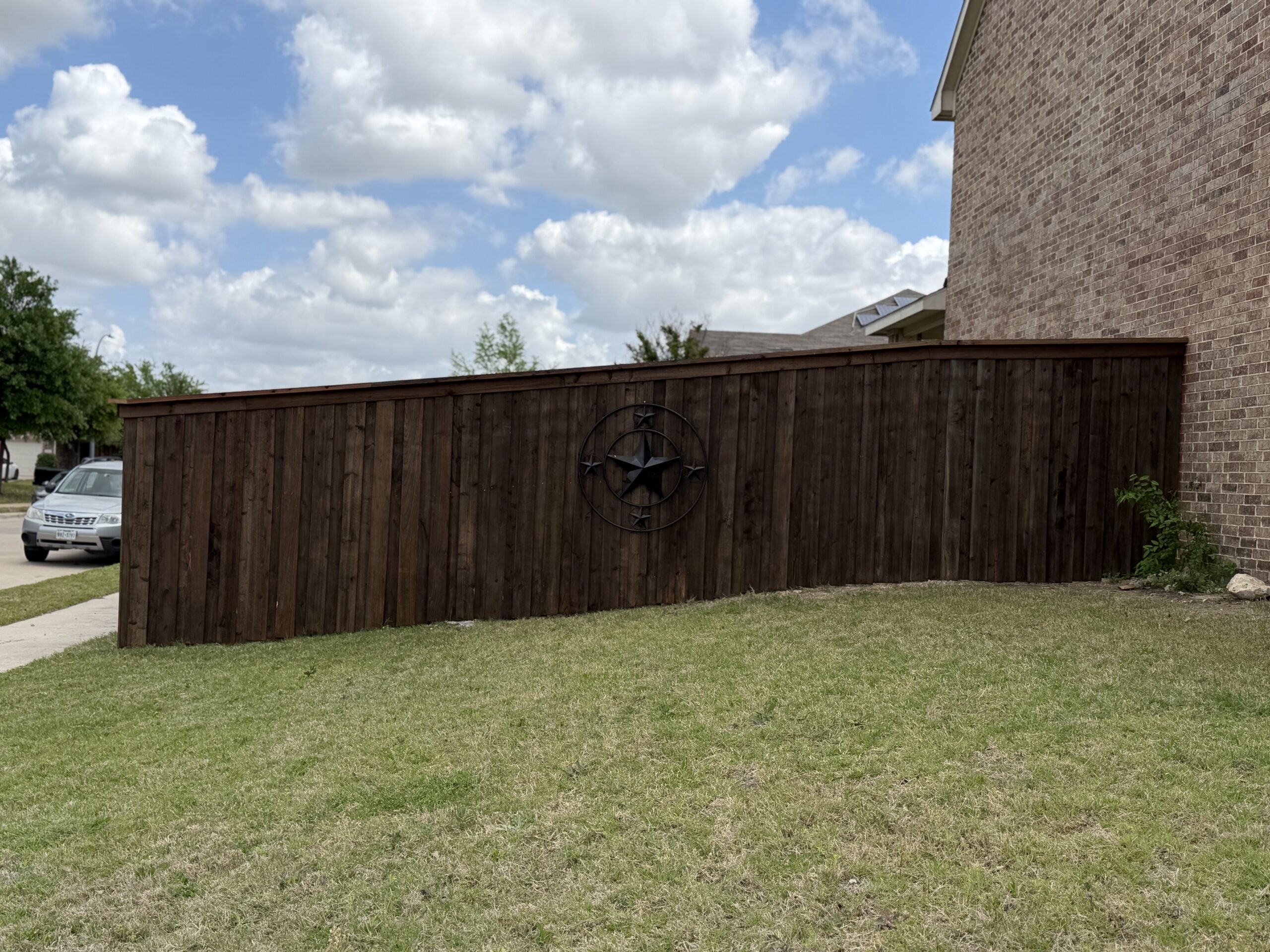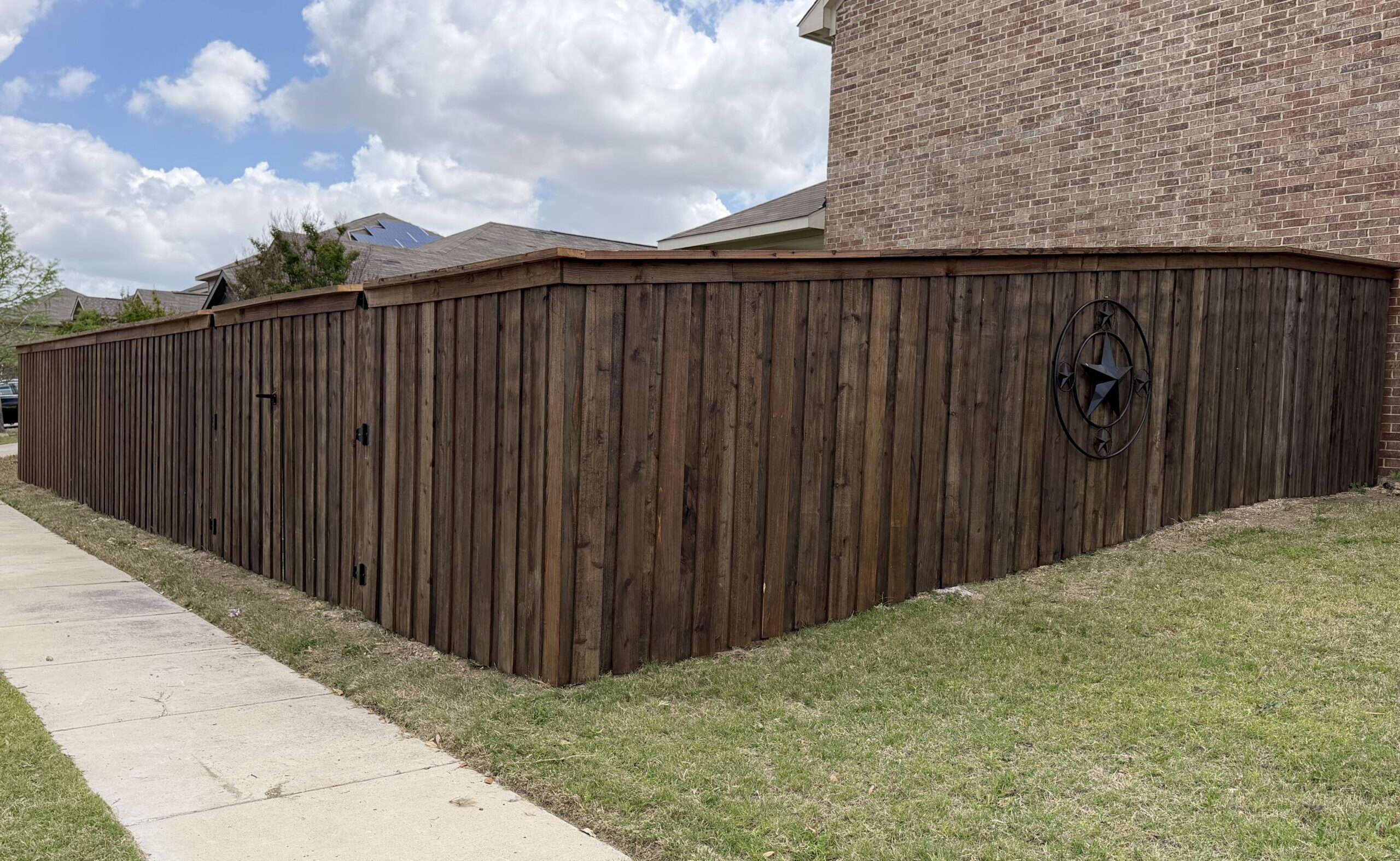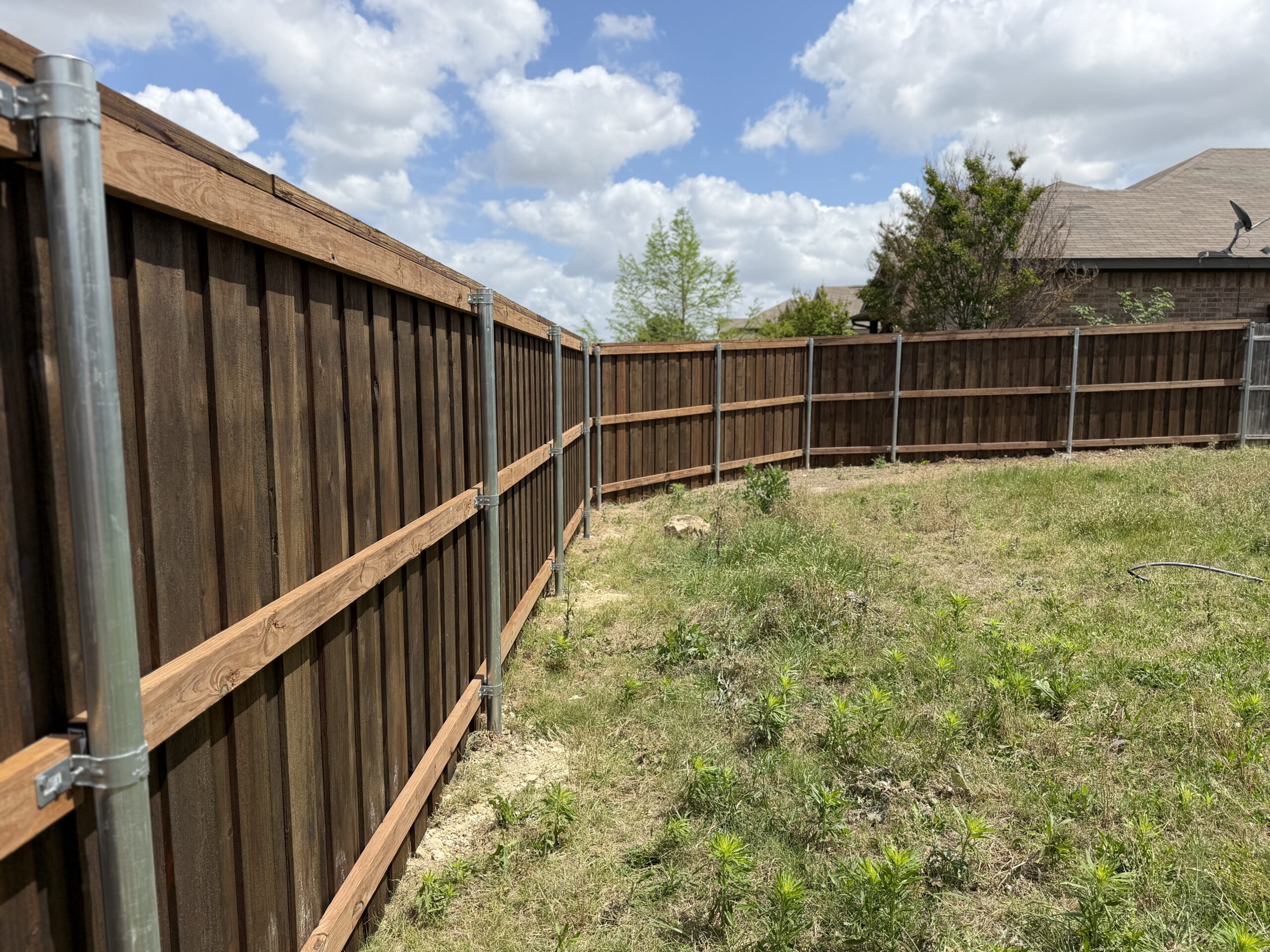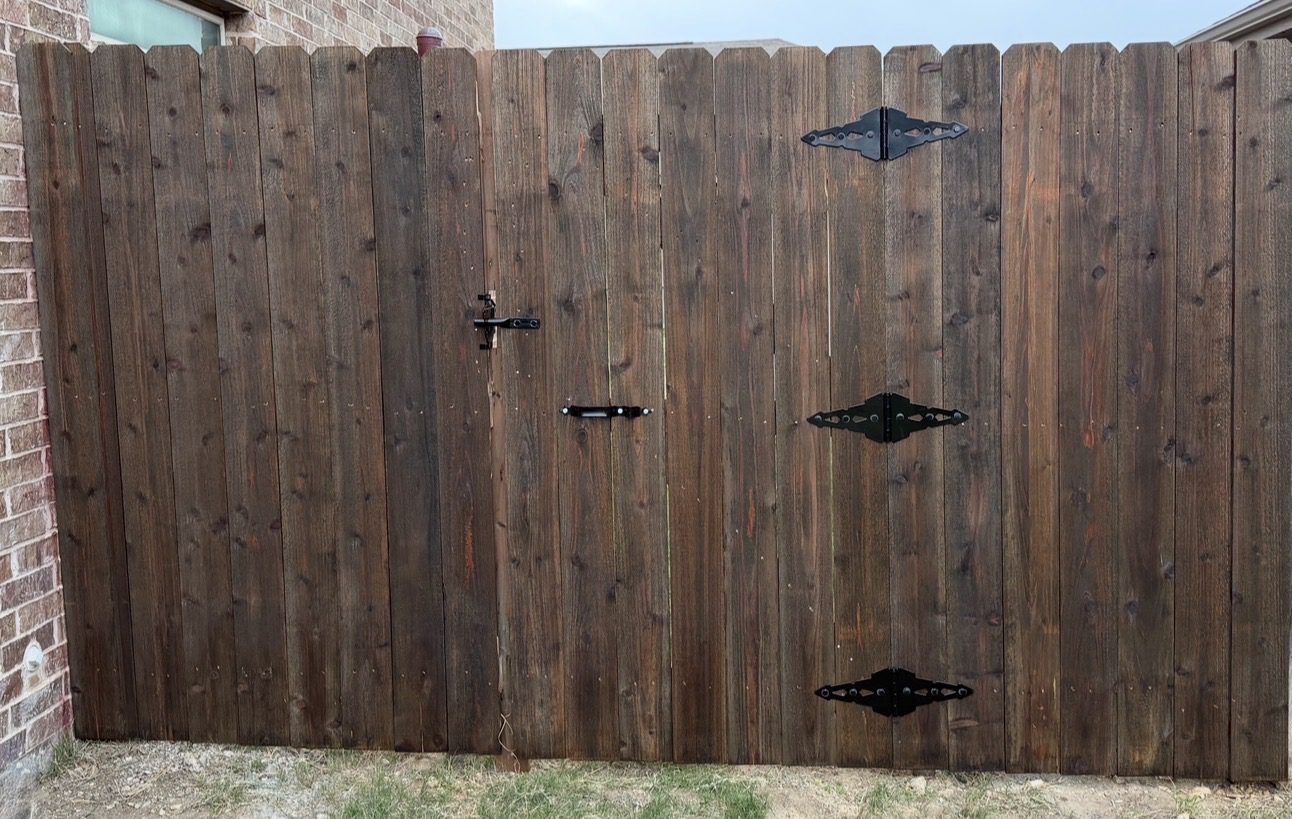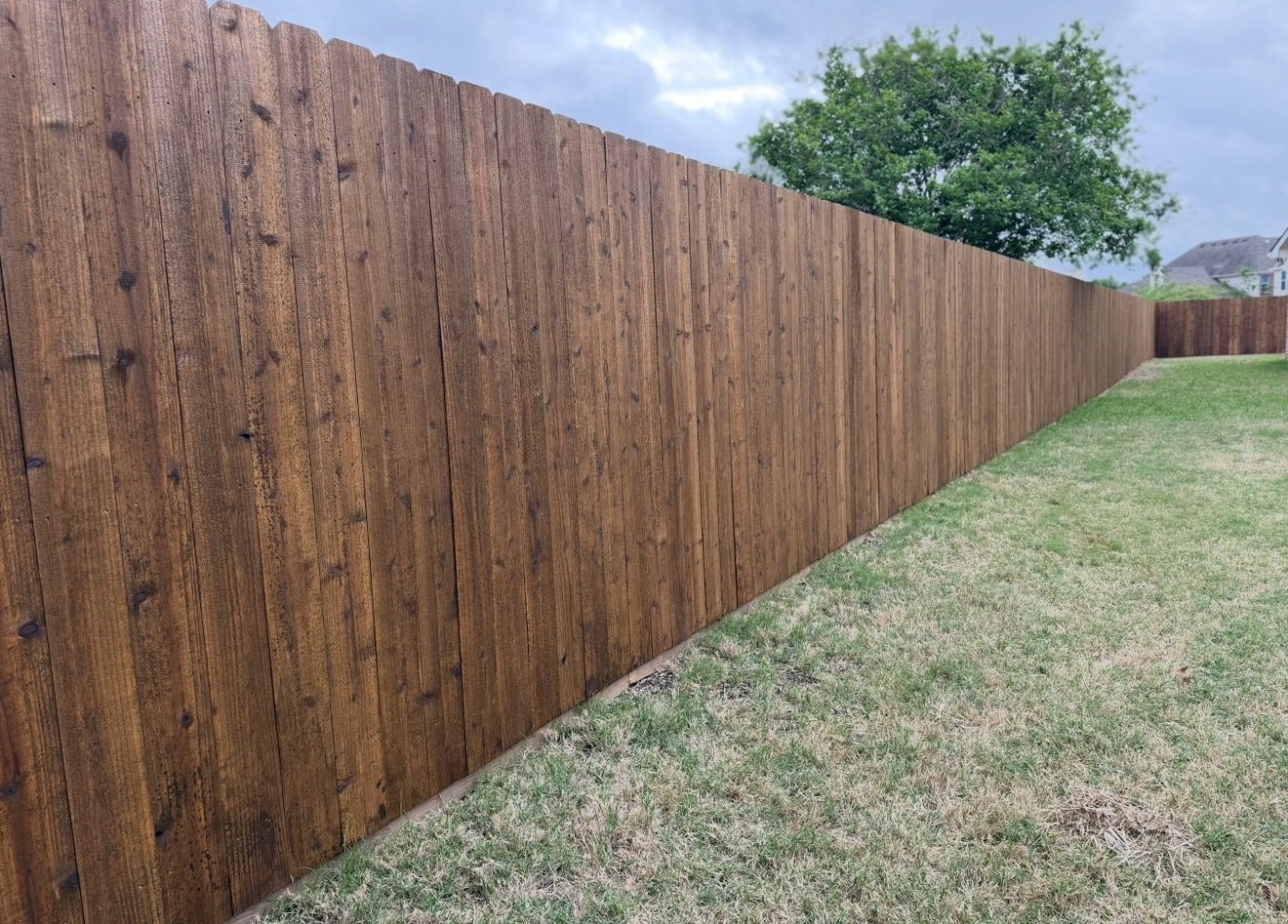
Defender Fence Company provides professional residential fence installation in Fort Worth, TX and across the DFW Metroplex. Whether you need a cedar wood privacy fence, ornamental iron for curb appeal, vinyl for low maintenance, or chain link for pet containment and security, our Fort Worth-based crews design and install custom fences built on-site to fit your property, your style, and your budget.
Your Fort Worth home deserves a fence that balances privacy, security, and style without compromising on durability. Defender Fence Company installs residential fences across Fort Worth’s established neighborhoods and growing communities, including the entire DFW Metroplex & surrounding cities. We handle every step: property measurement, 811 utility marking, permit assistance with your city, assistance with HOA coordination, professional installation, and a final walkthrough to make sure you’re 100% satisfied.
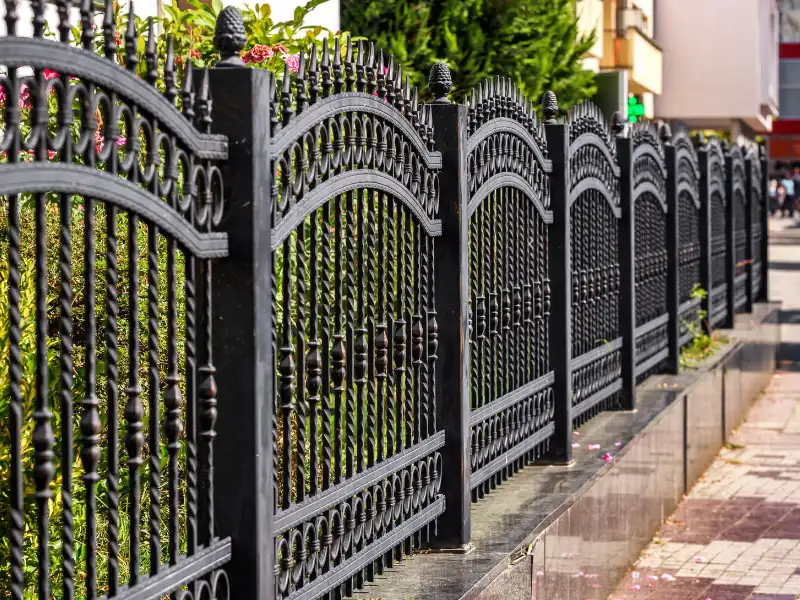
We install all major residential fence types in Fort Worth. Each material has different strengths here’s how they compare for homeowners:
Residential fence installation costs in Fort Worth vary by material, fence height, linear footage, terrain, and gate requirements. Here are typical ranges for professionally installed fences:
Additional cost factors include old fence removal (demo and haul-away), number of gates, terrain difficulty (sloped yards, rocky soil), and whether an 811 utility locate reveals conflicts that require rerouting.
We offer financing through Hearth with rates starting at 7.99% and terms up to 12 years. Learn more on our financing page
|
Material |
Best For |
Price Range/LF |
Maintenance |
Lifespan |
|
Cedar Wood |
Privacy, curb appeal, backyards |
$32–$50+ |
Stain every 2–3 yrs |
15–25 years |
|
Iron/Ornamental |
Front yards, pools, decorative |
$30–$75+ |
Minimal; inspect for rust |
15–20 years |
|
Vinyl (PVC) |
Low-maintenance privacy |
$20–$60+ |
None; hose off |
20–30 years |
|
Chain Link |
Pet runs, property lines, budget |
$10–$30+ |
Minimal |
30–50years |
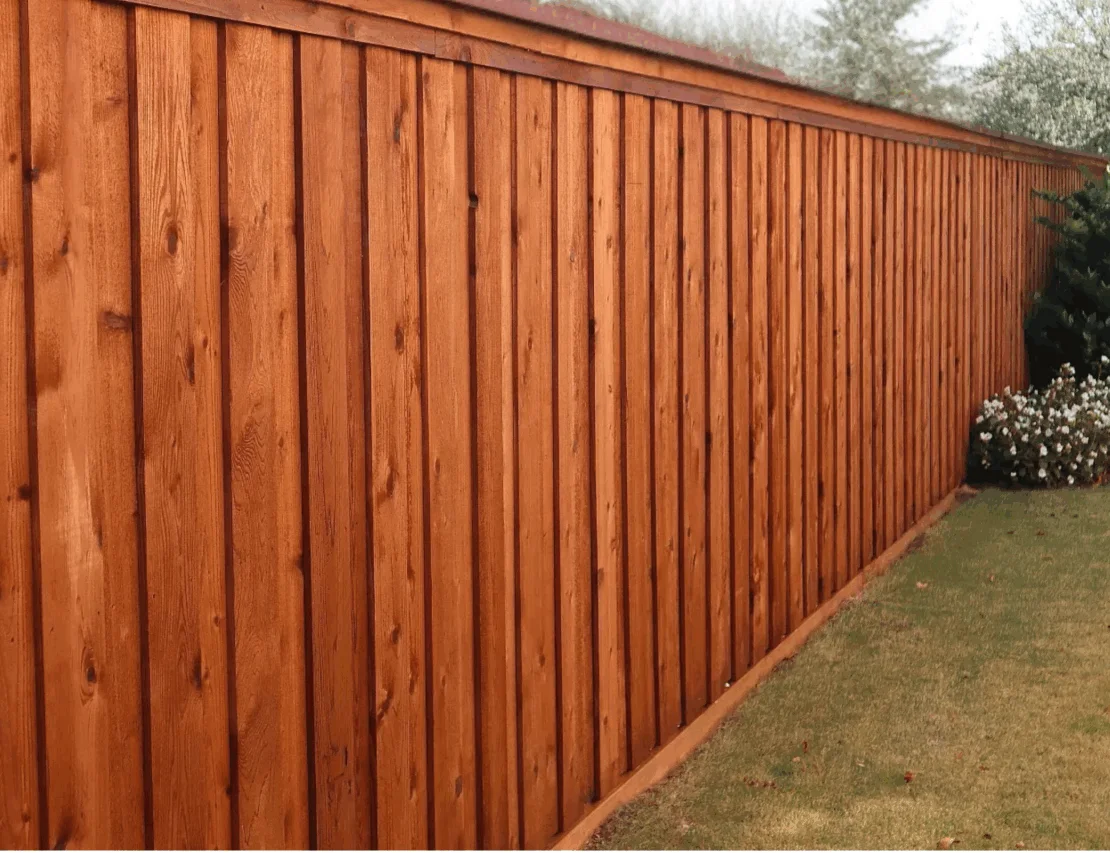
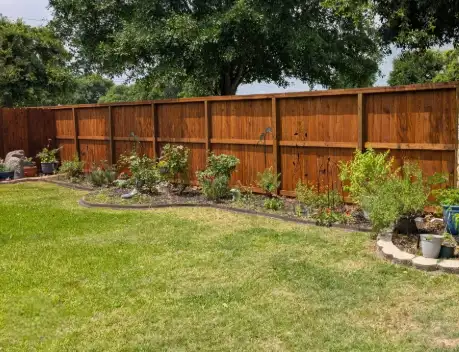
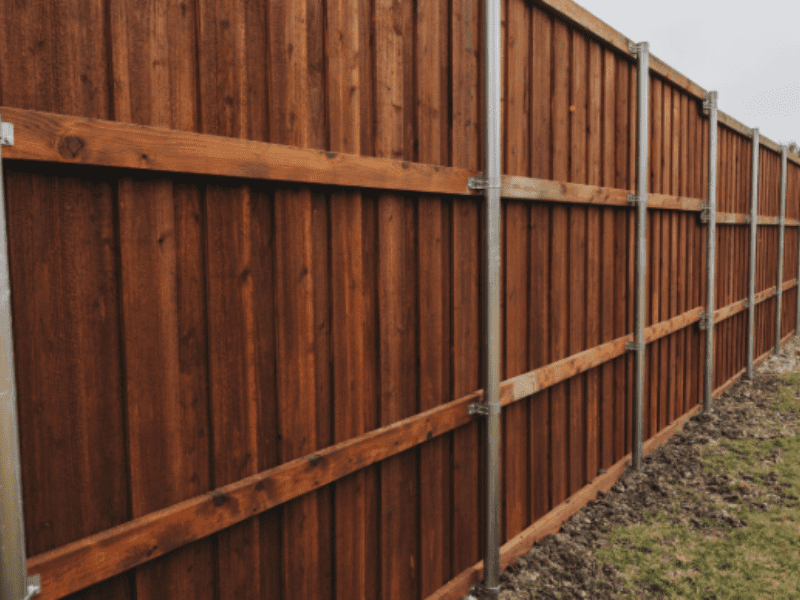
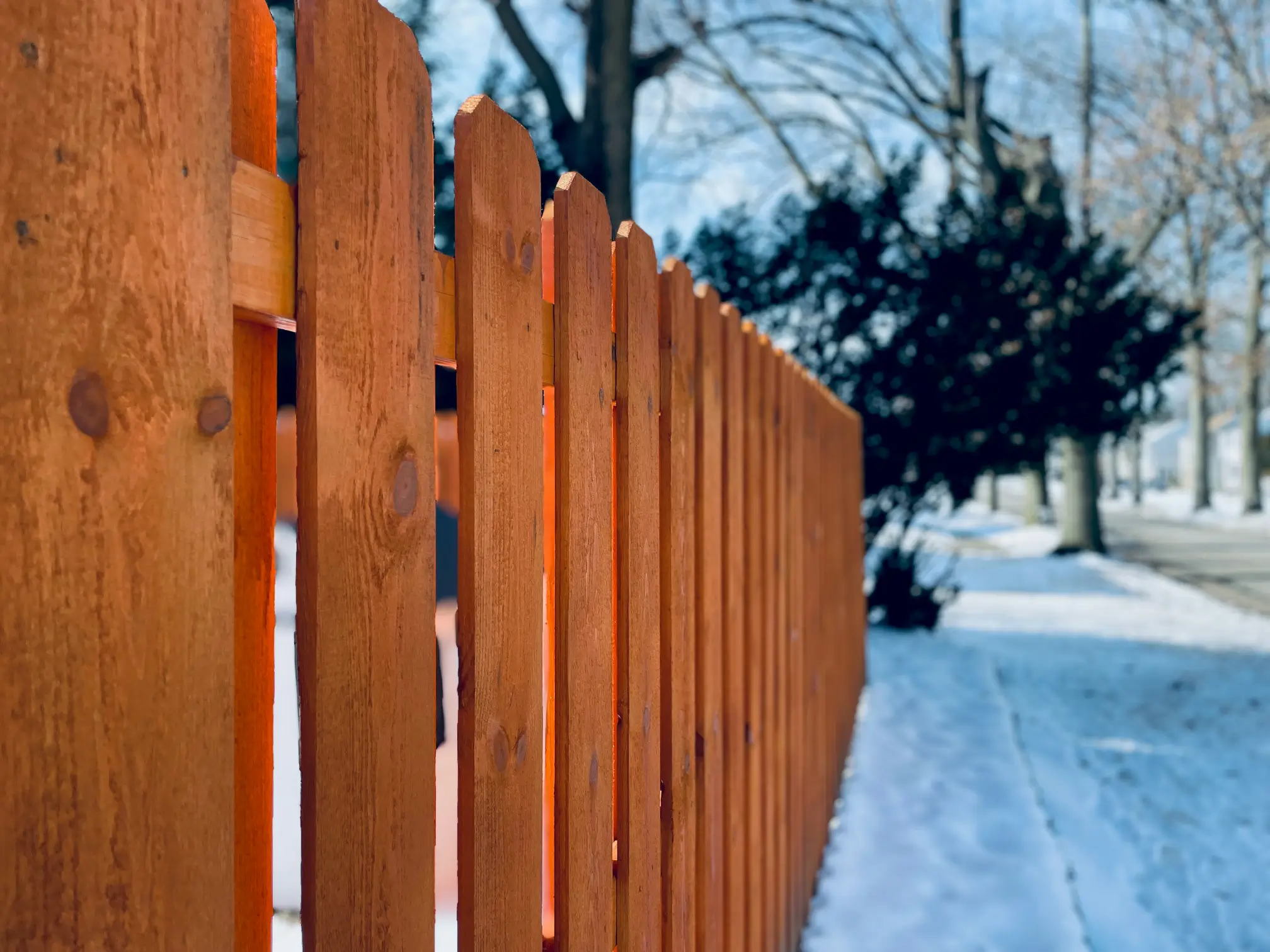
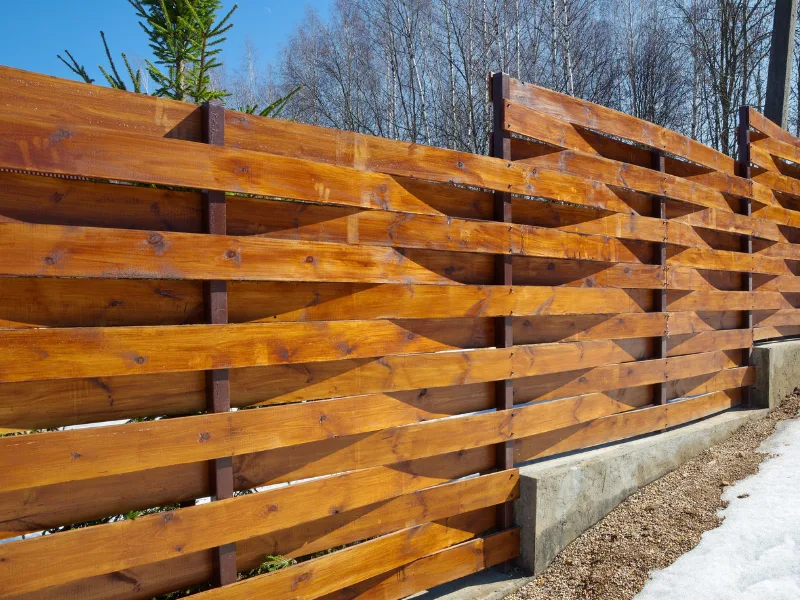
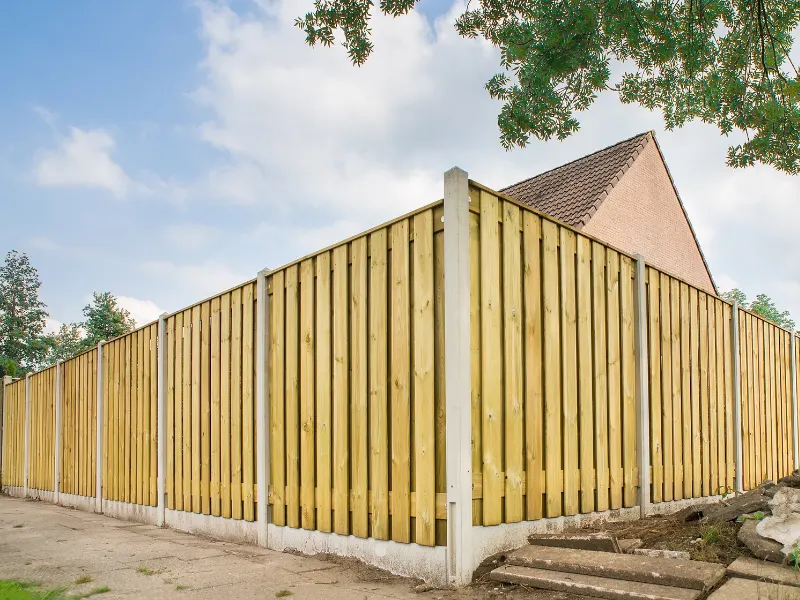
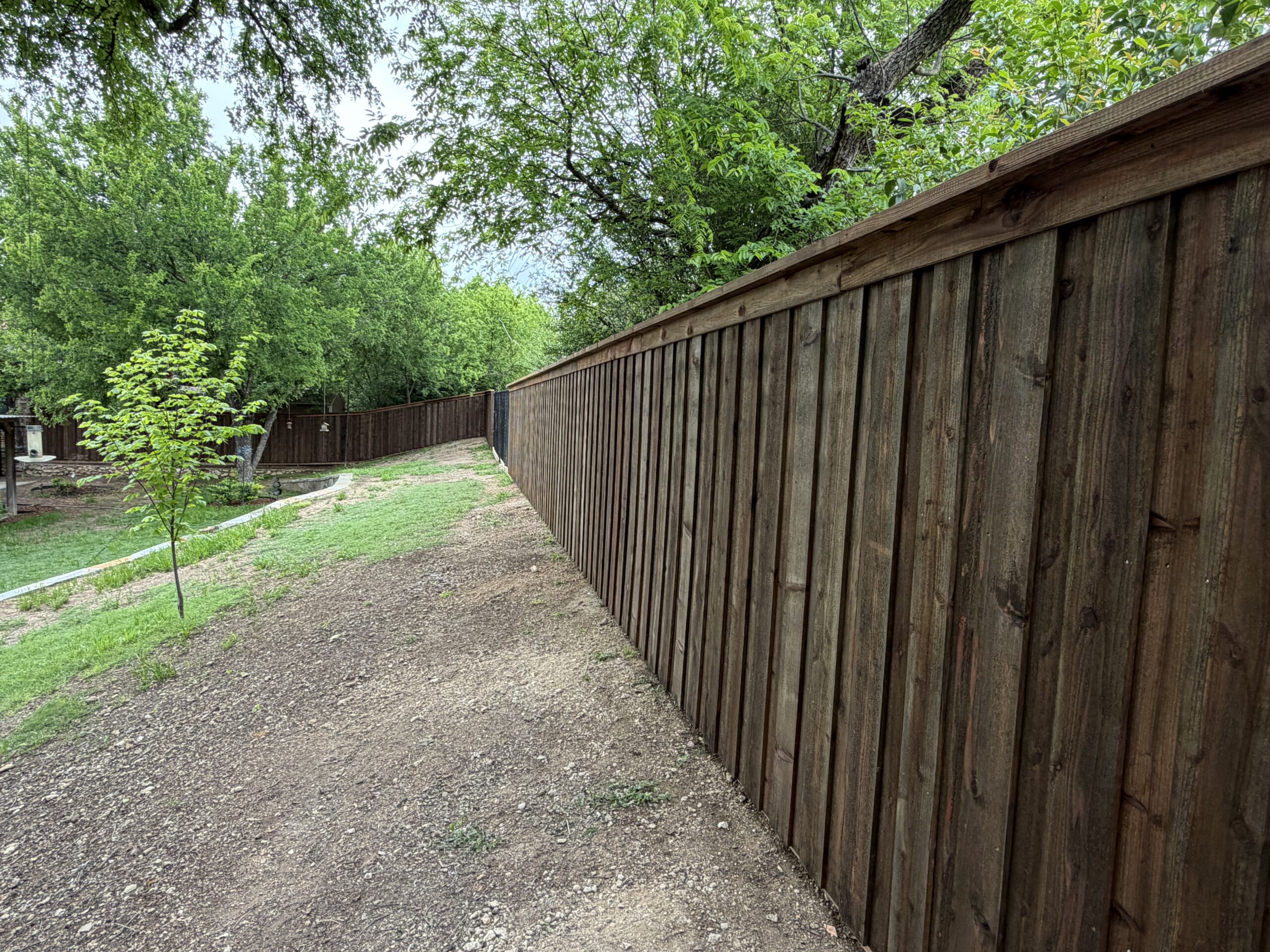
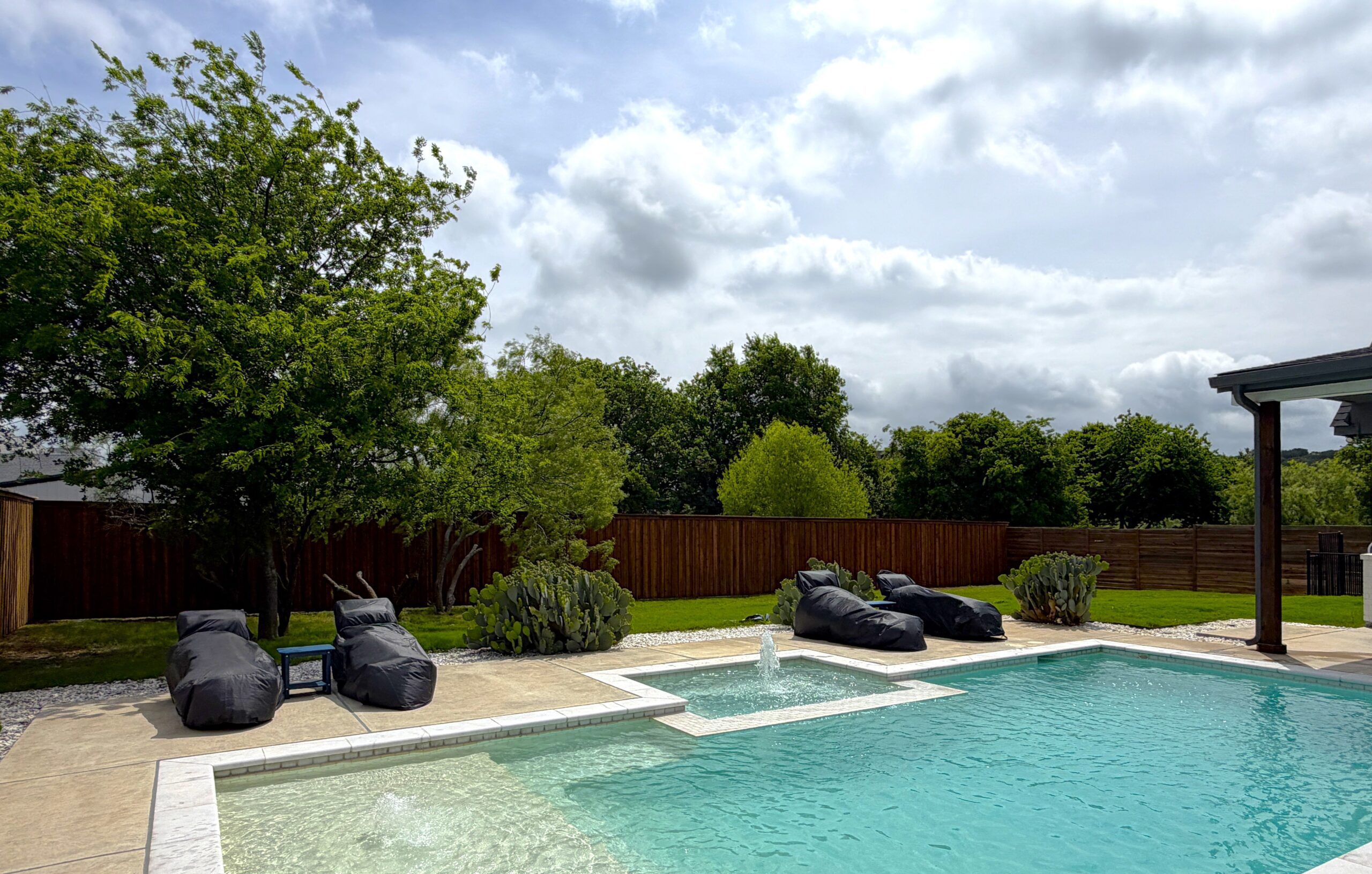
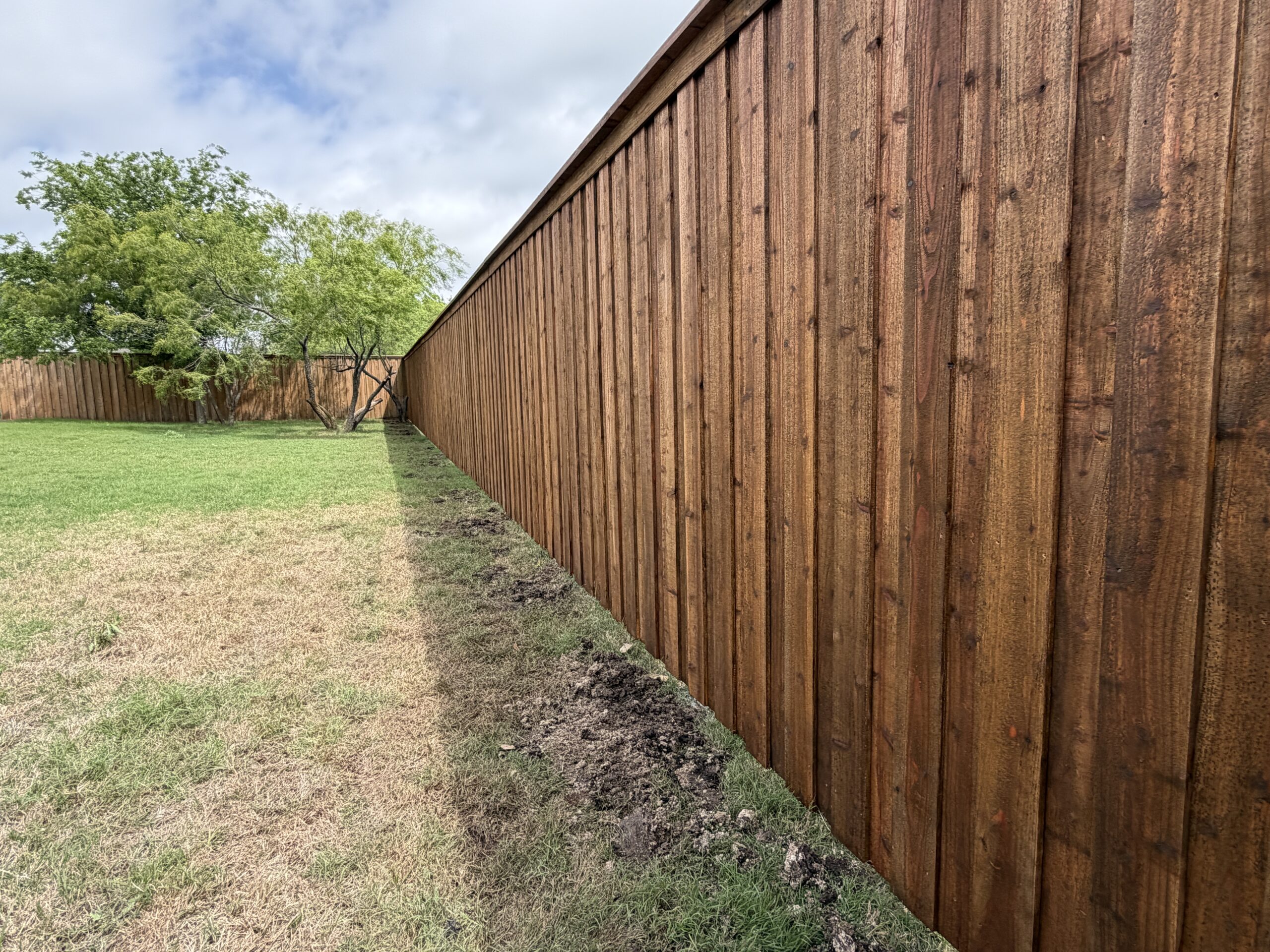
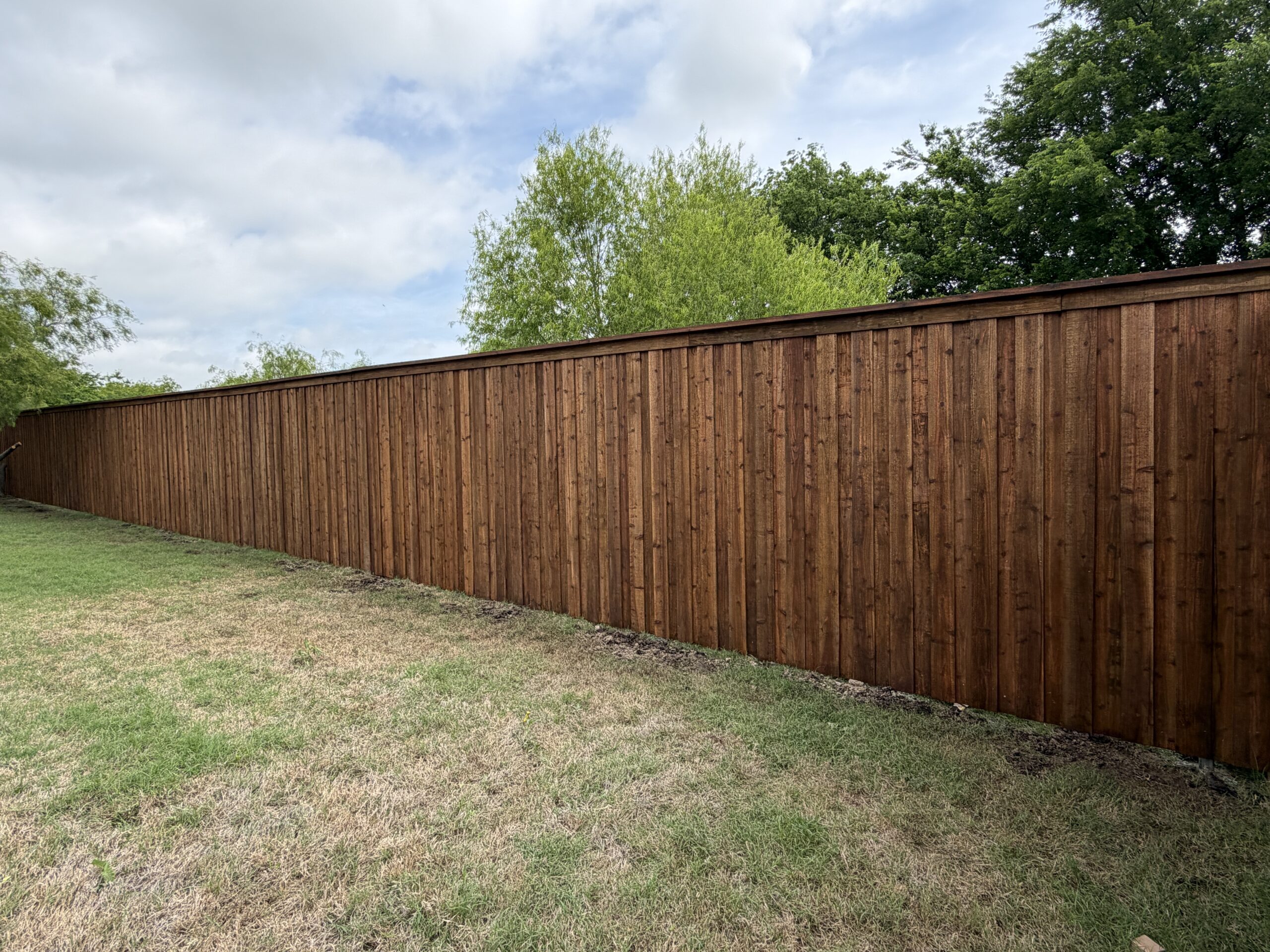
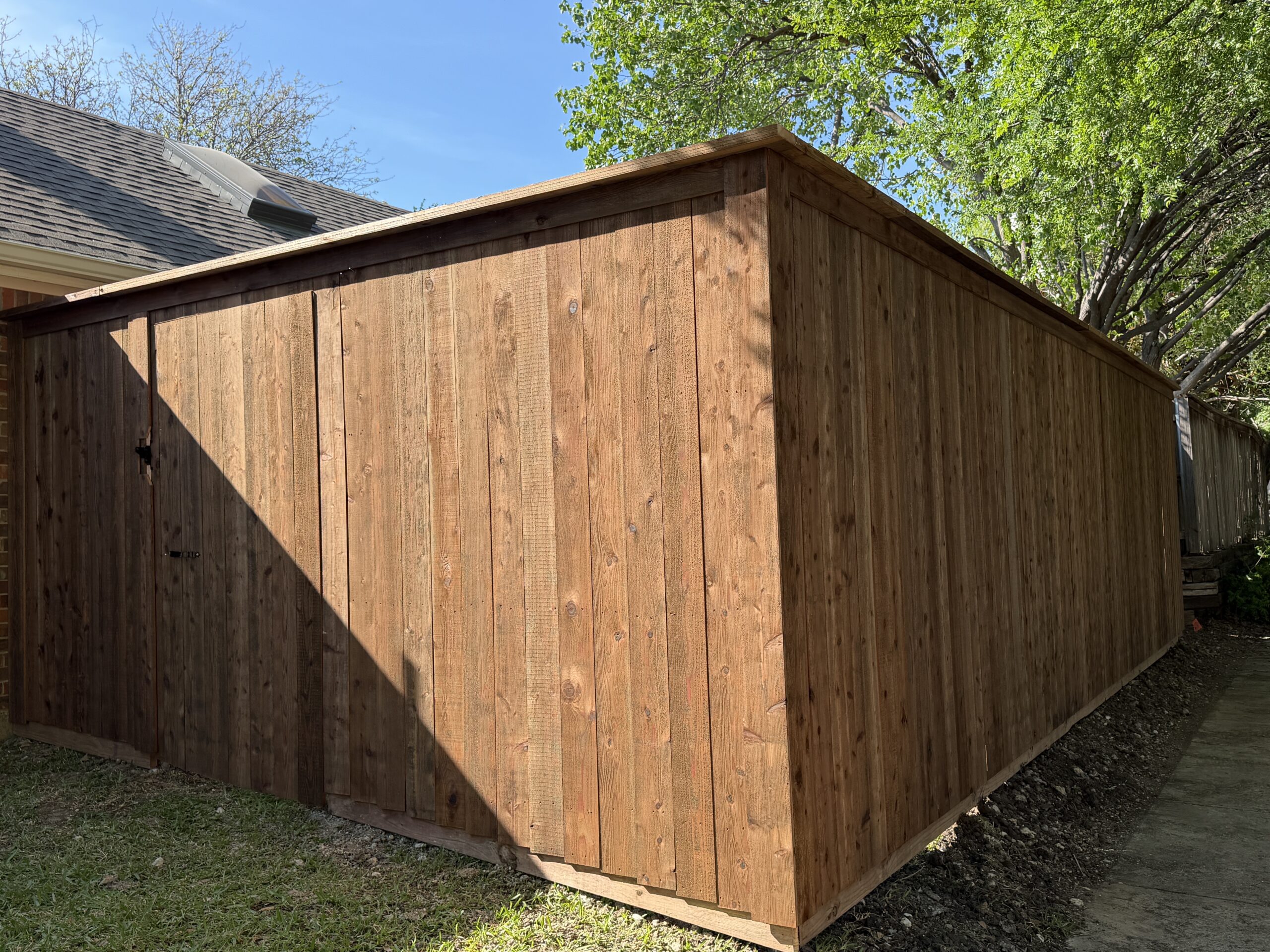
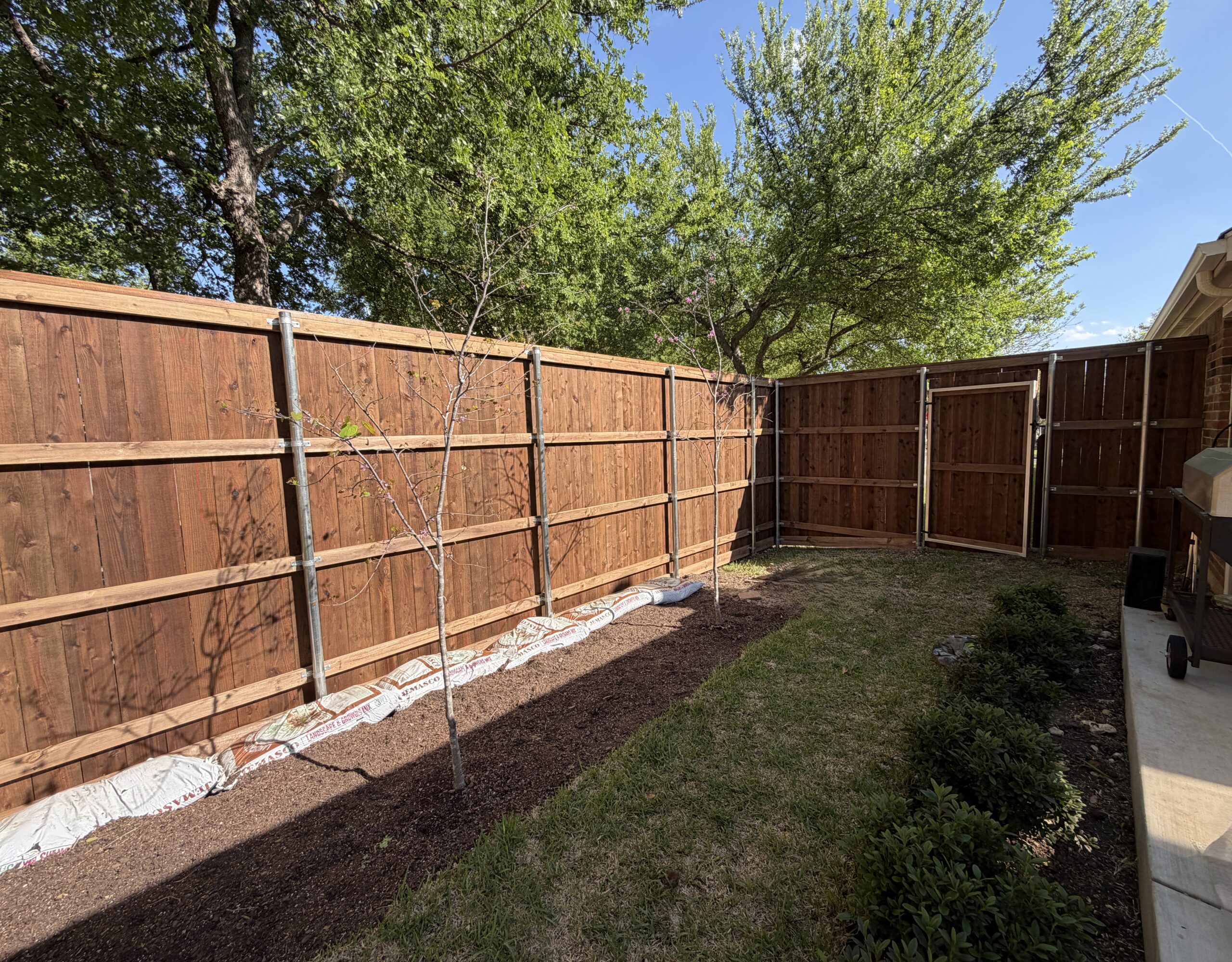
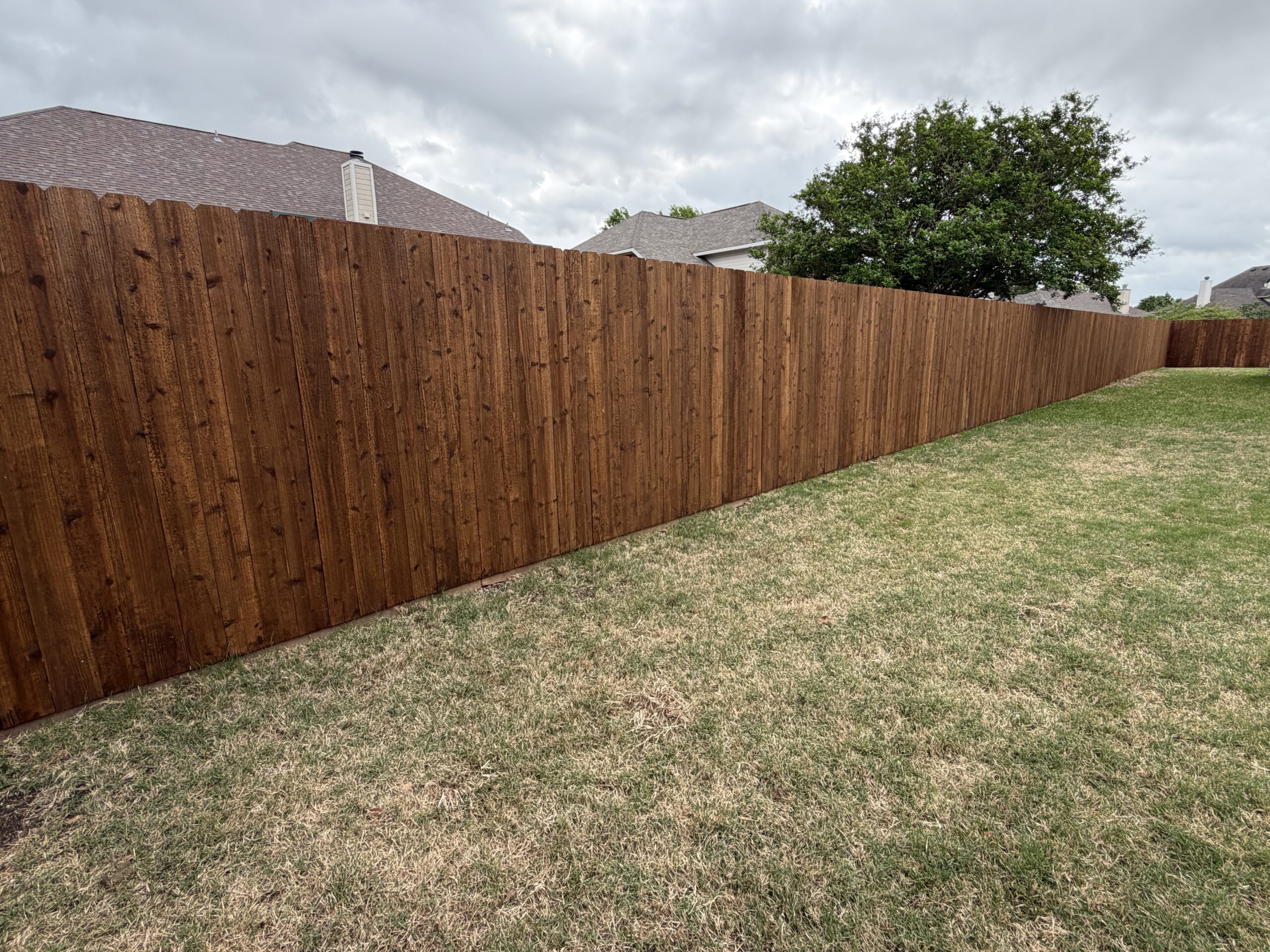
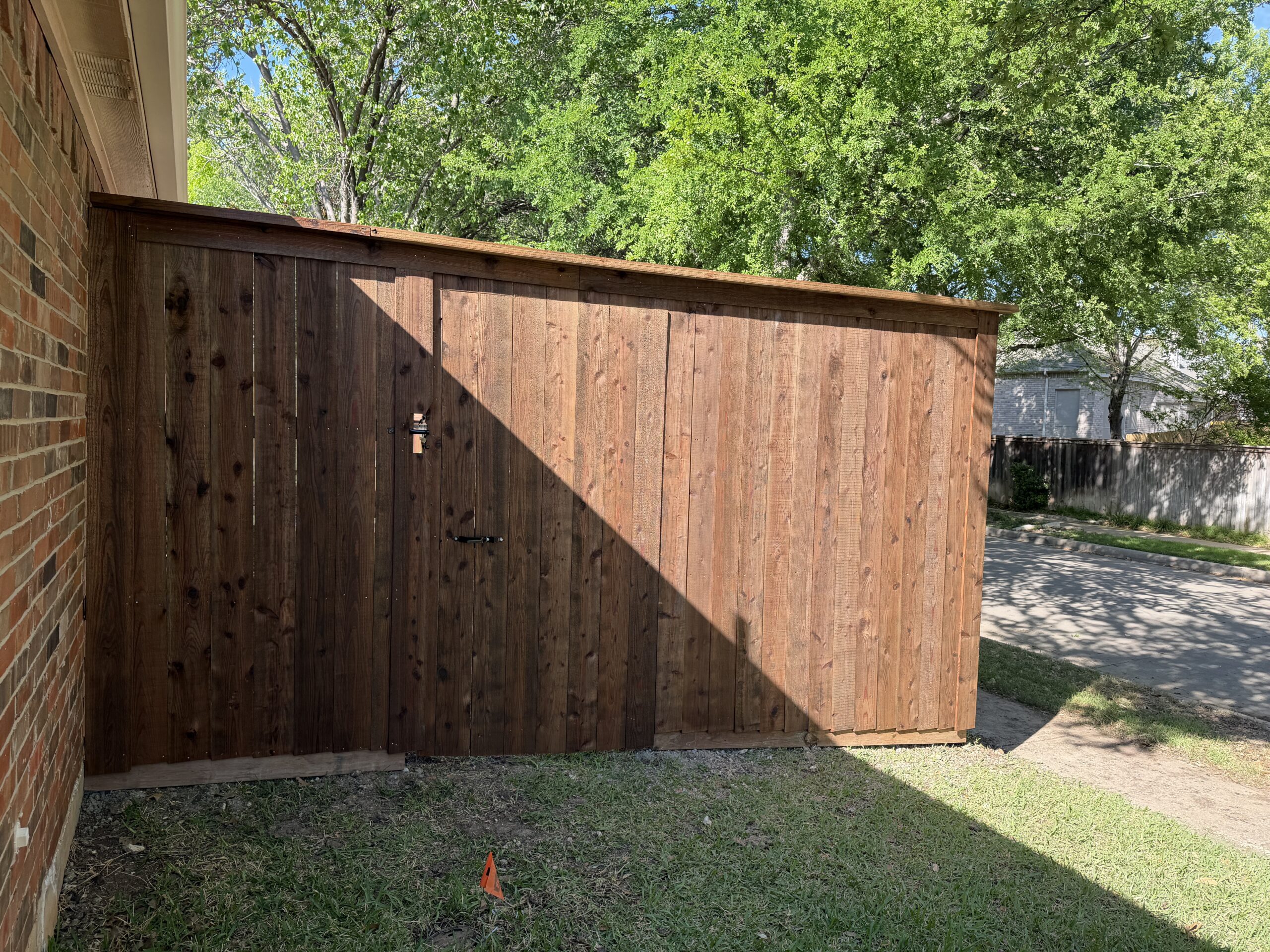
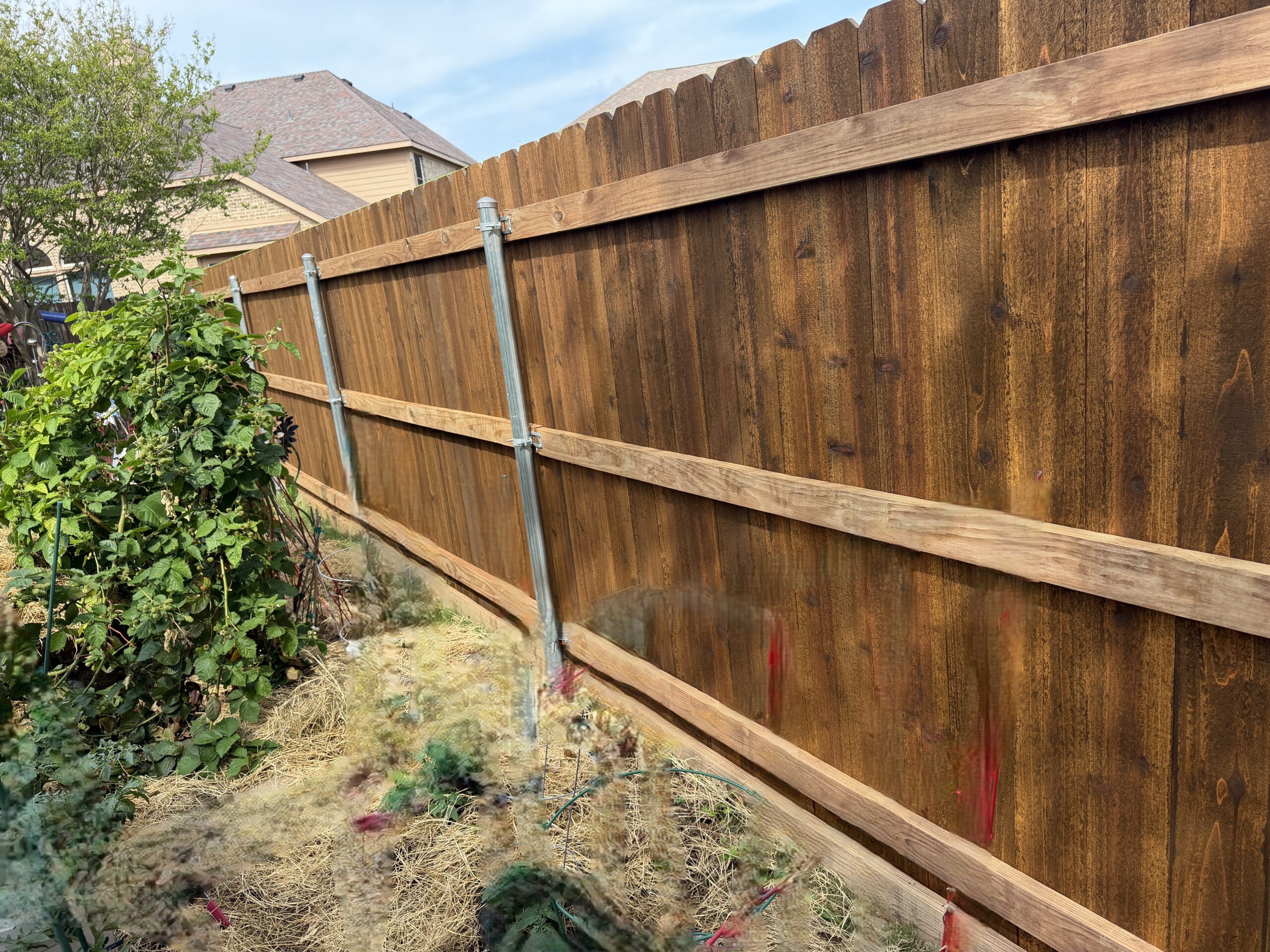
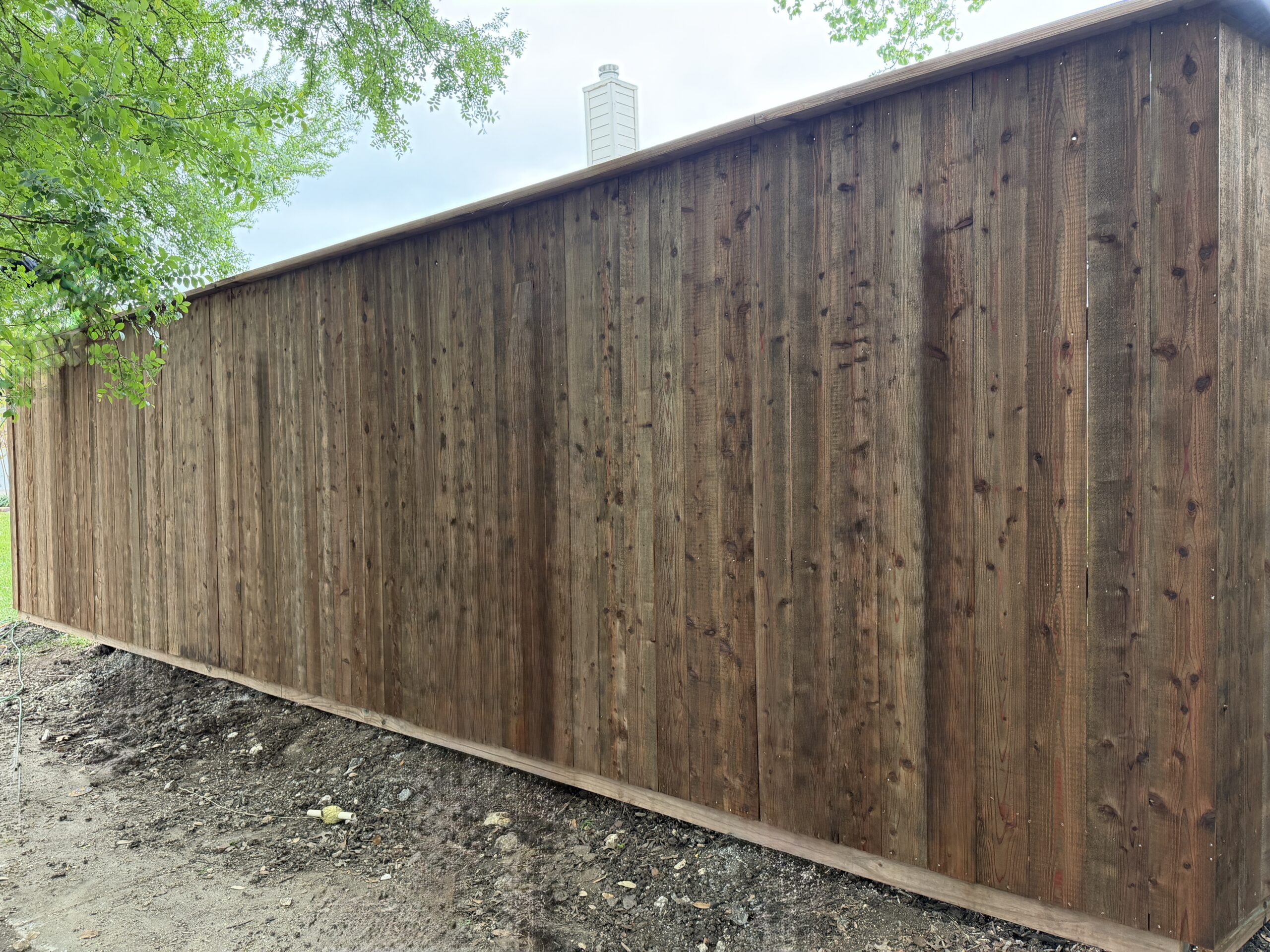
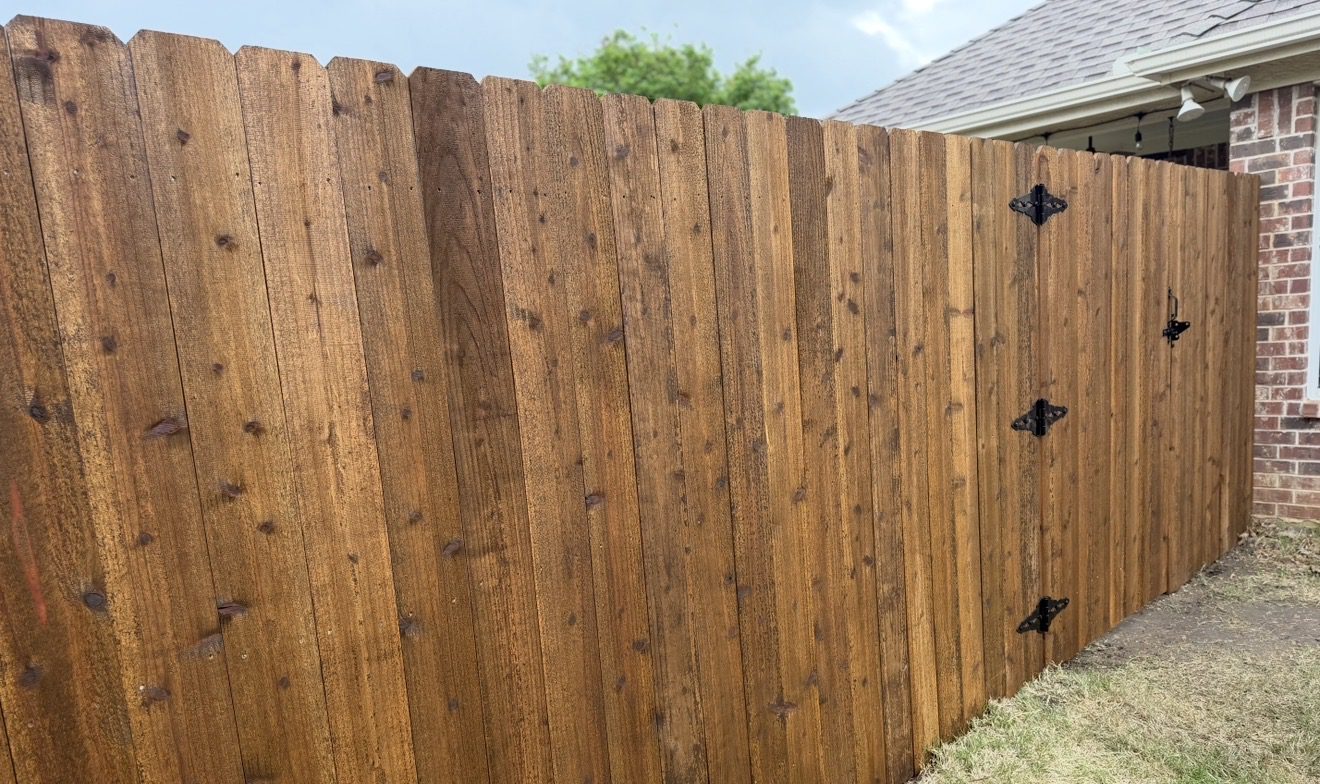
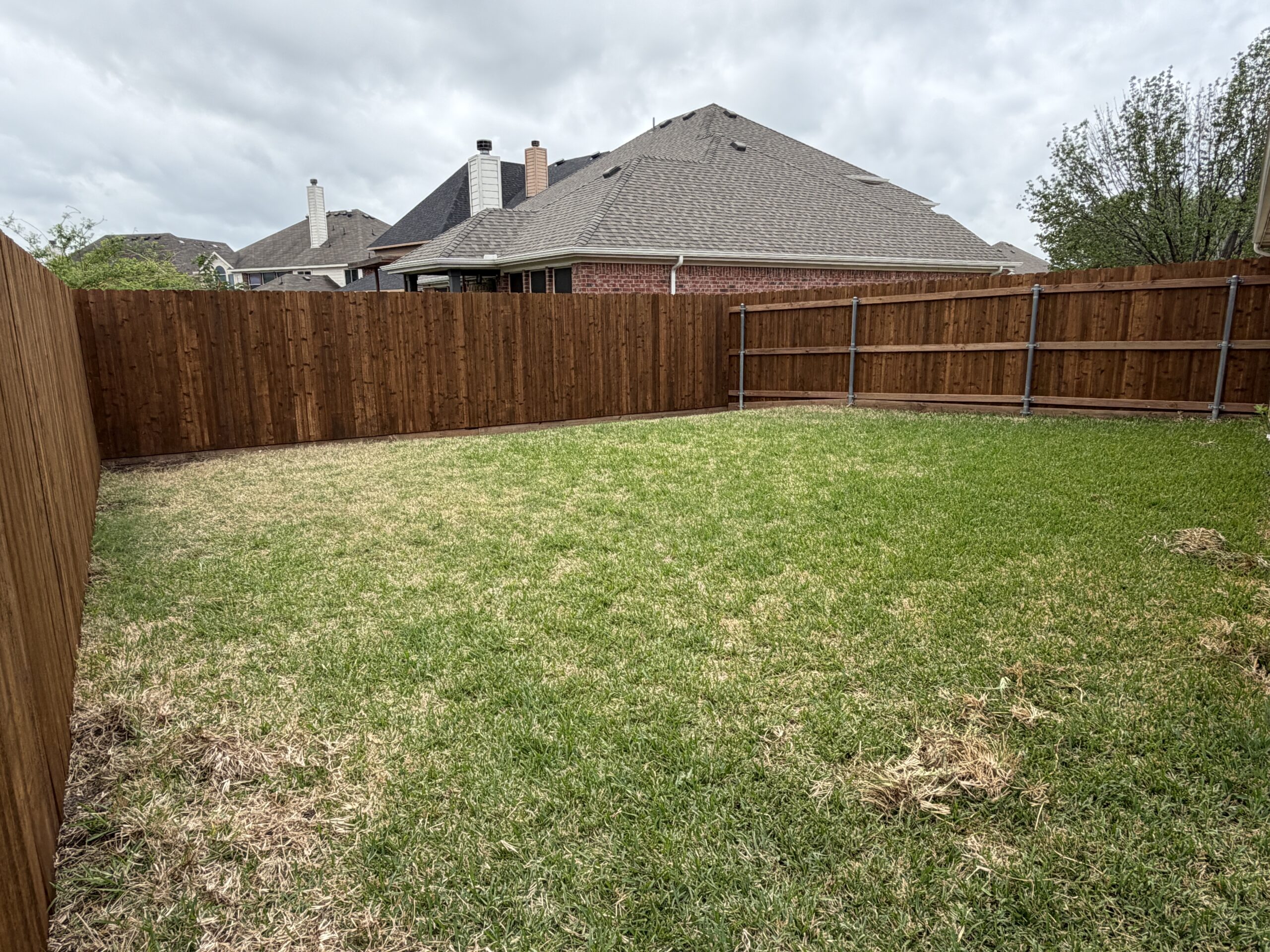
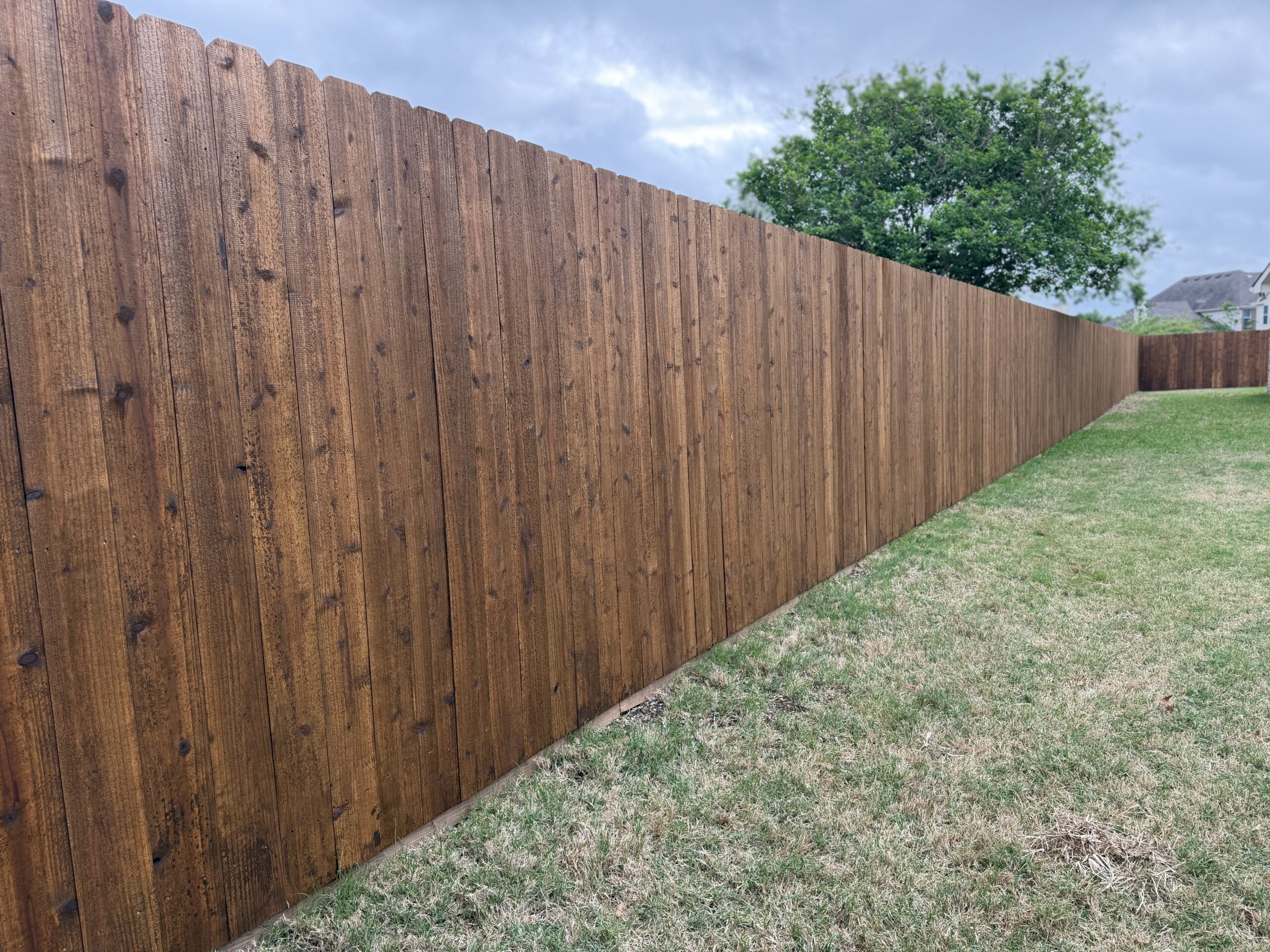
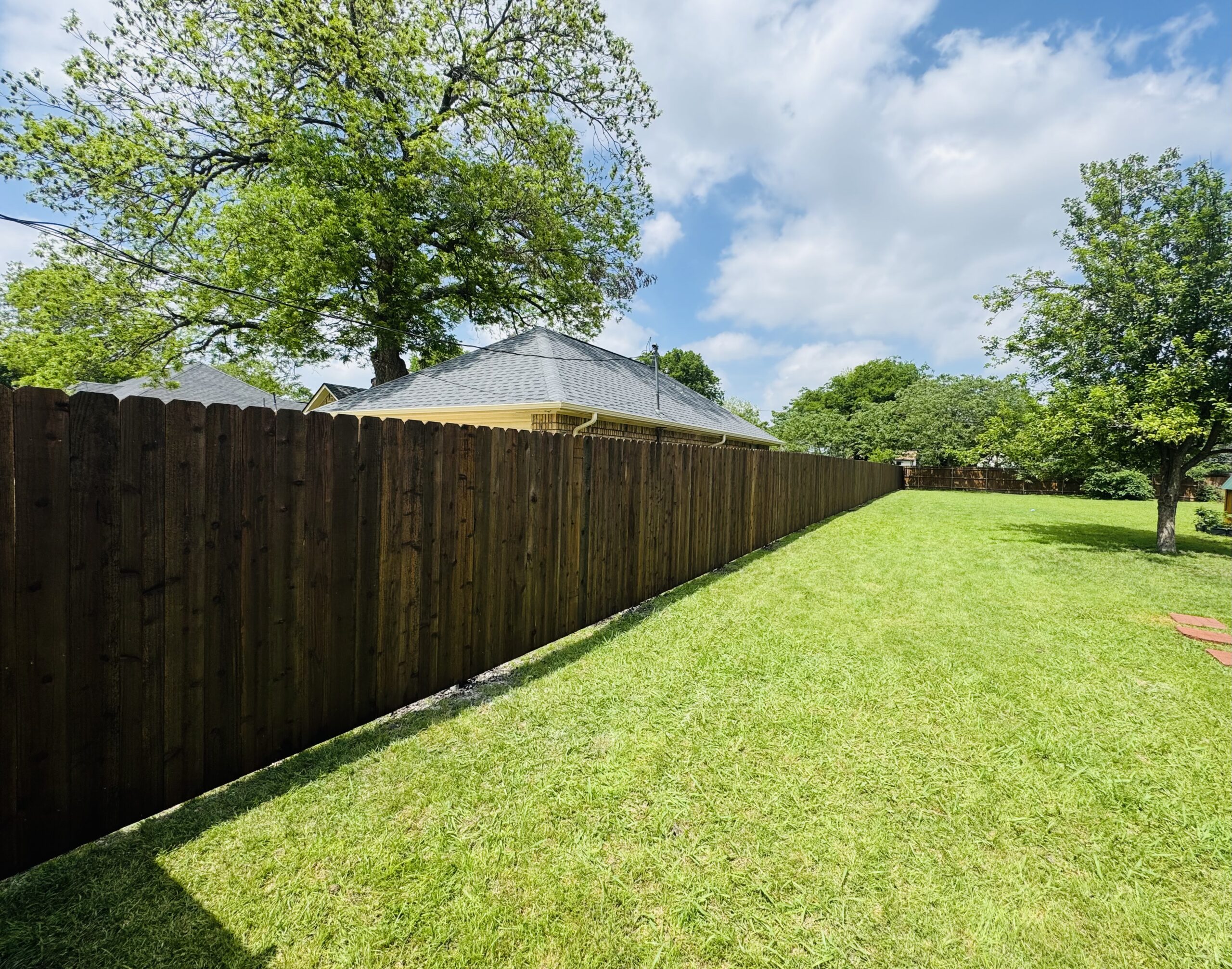
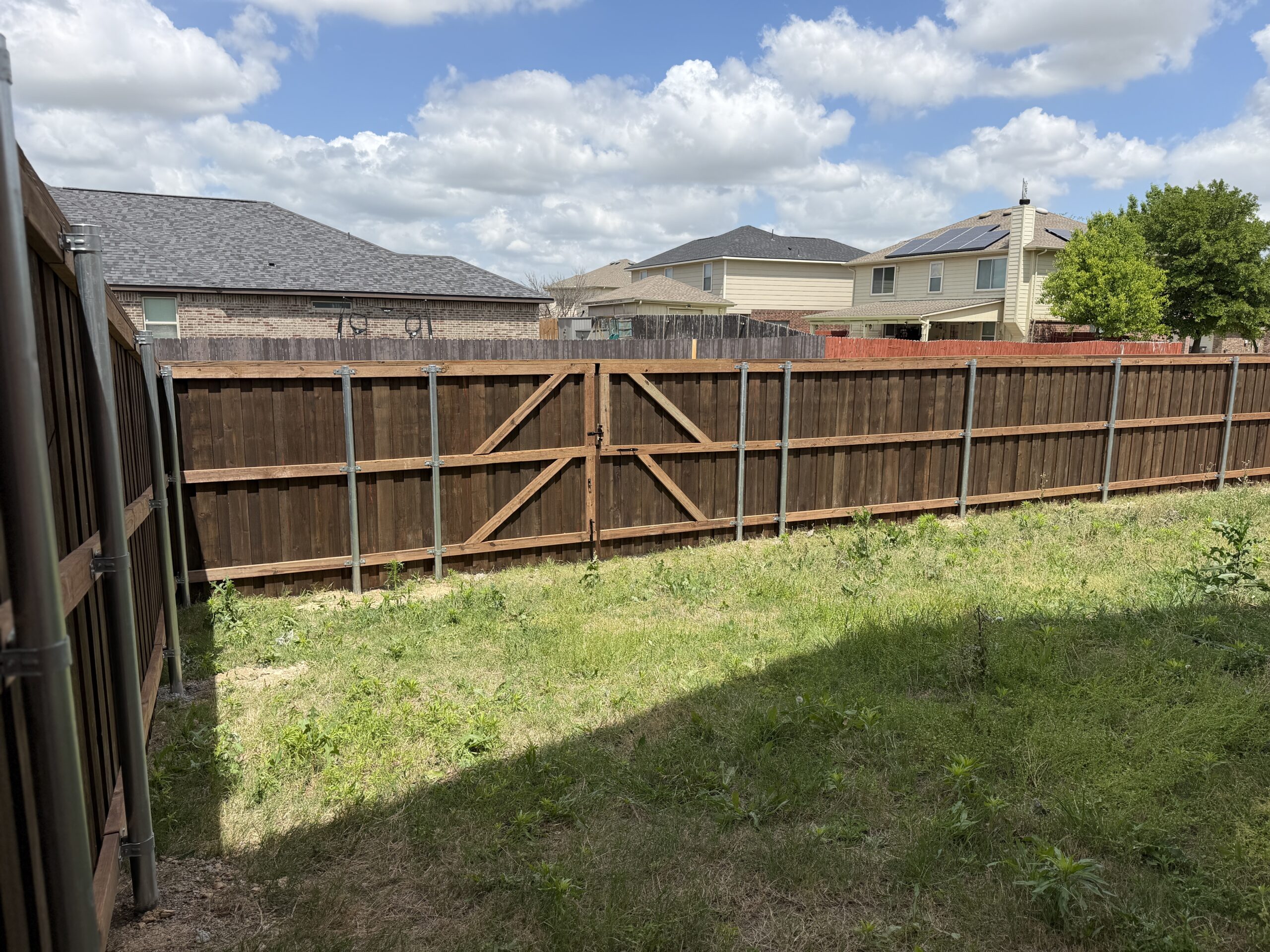
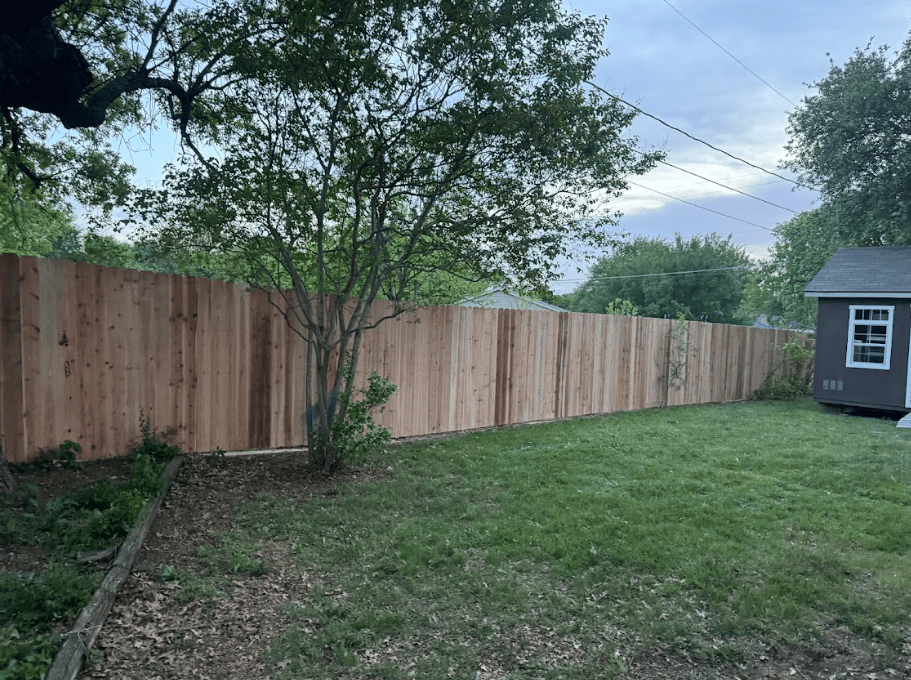
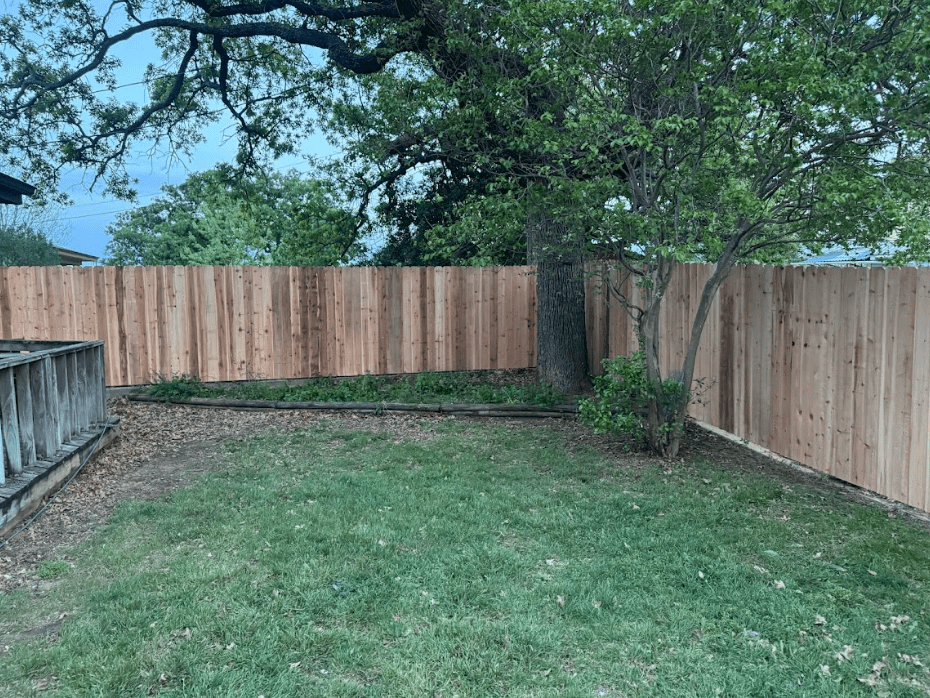
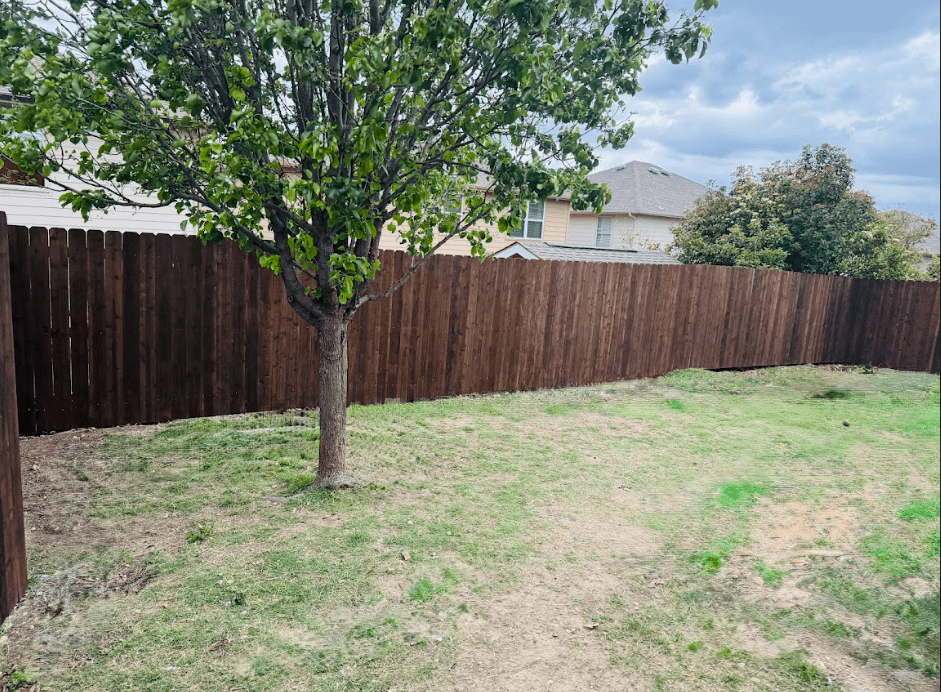
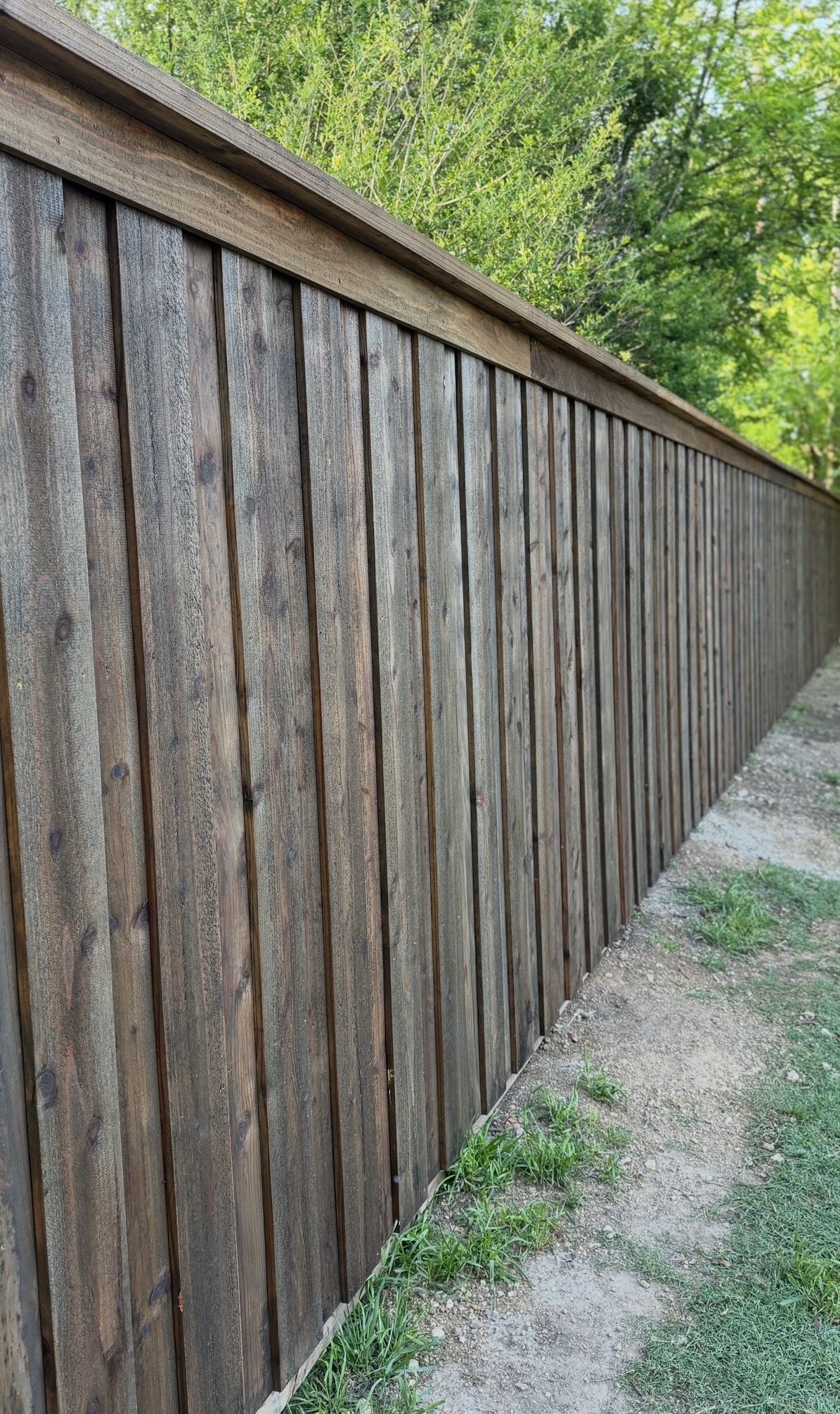
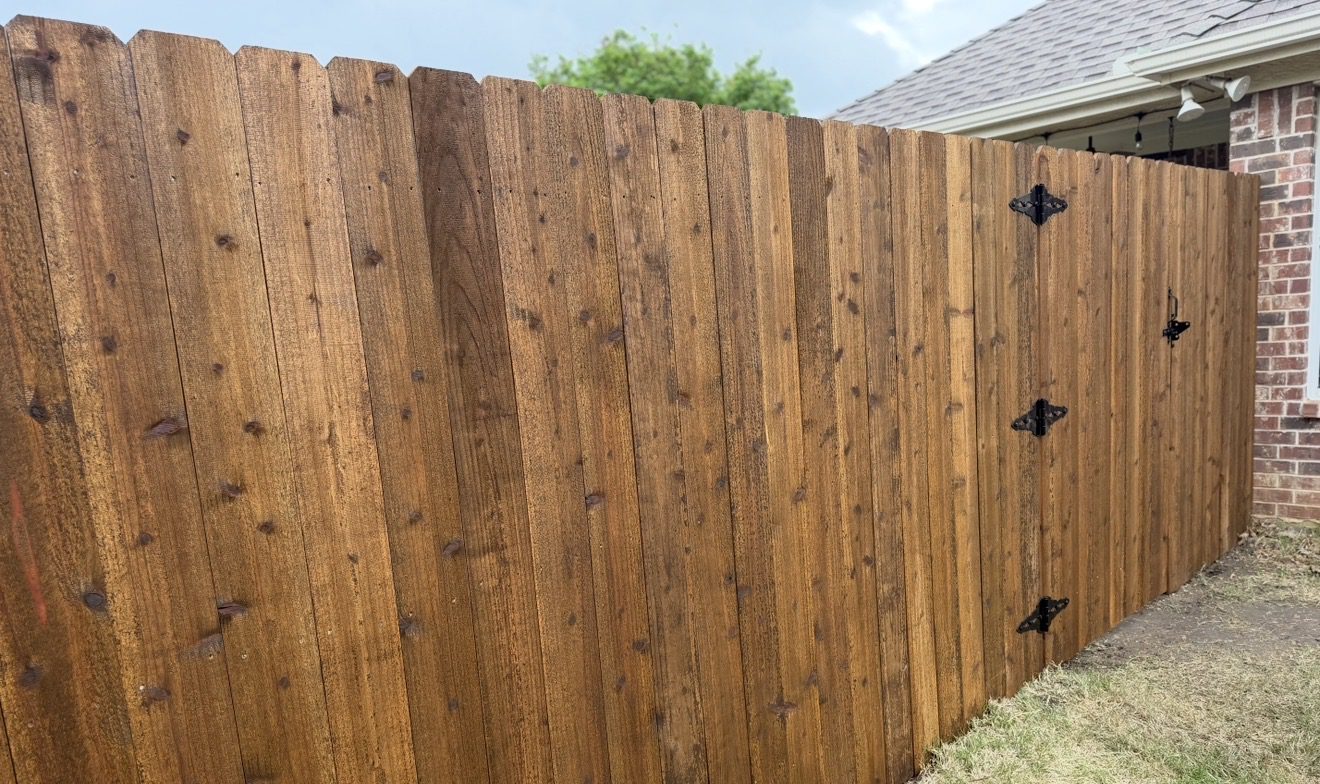
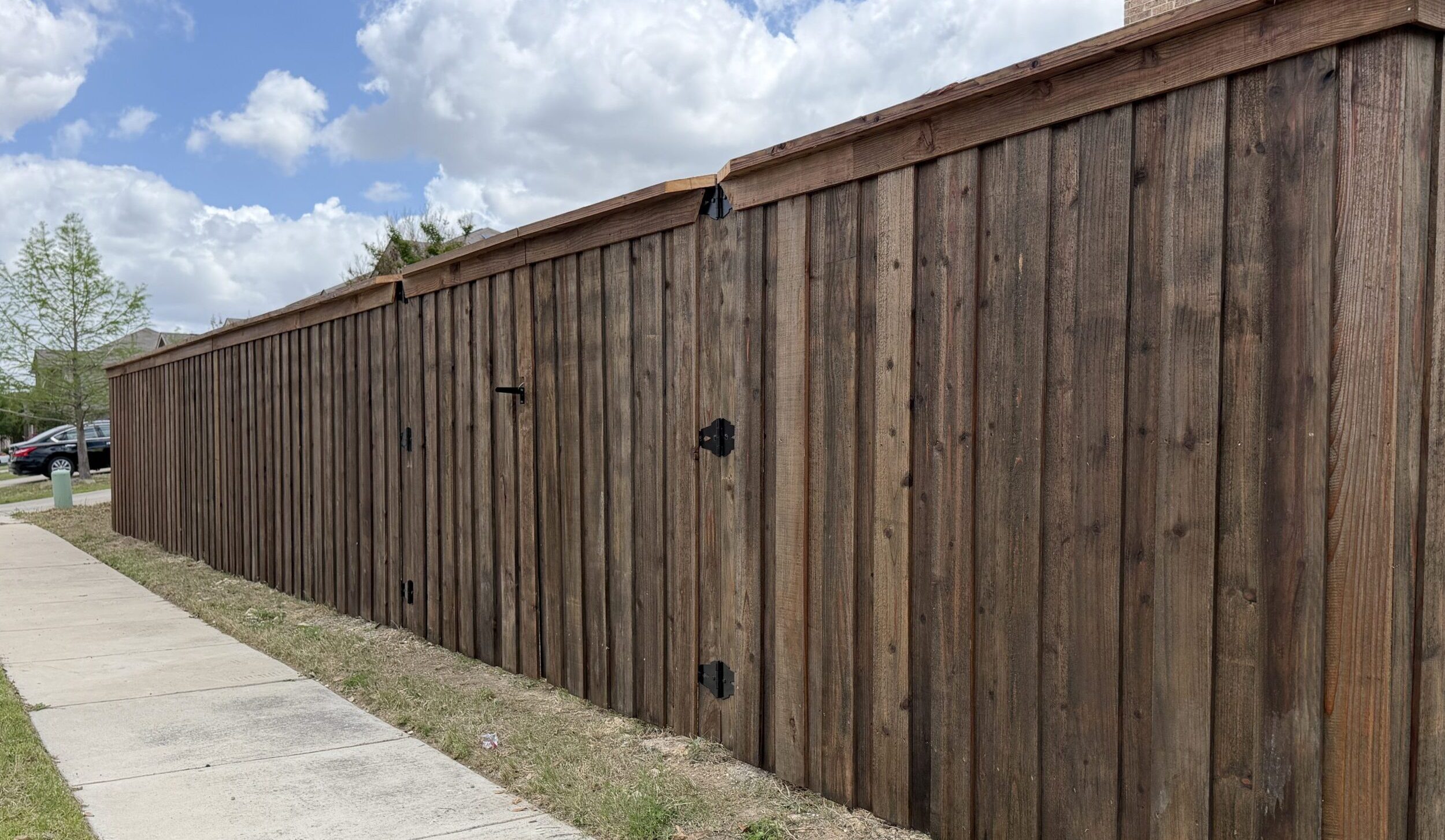
The most popular residential fence in Fort Worth. Our cedar fences are built on-site with #1 grade cedar pickets, 2×4 pressure-treated rails, and galvanized steel posts set in concrete. Standard installation includes a beautiful & durable Japanese Cedar, and upon request we also offer Western Red Cedar. Available in side-by-side, board-on-board, board-on-board with cap-and-trim, shadowbox, and horizontal fence styles in 6-foot and 8-foot heights. Cedar’s natural rot and insect resistance make it ideal for the North Texas climate.
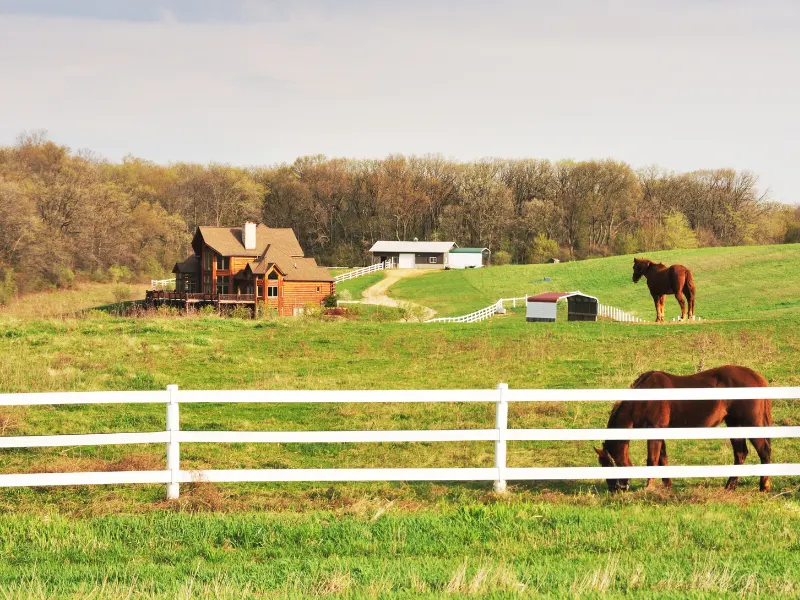
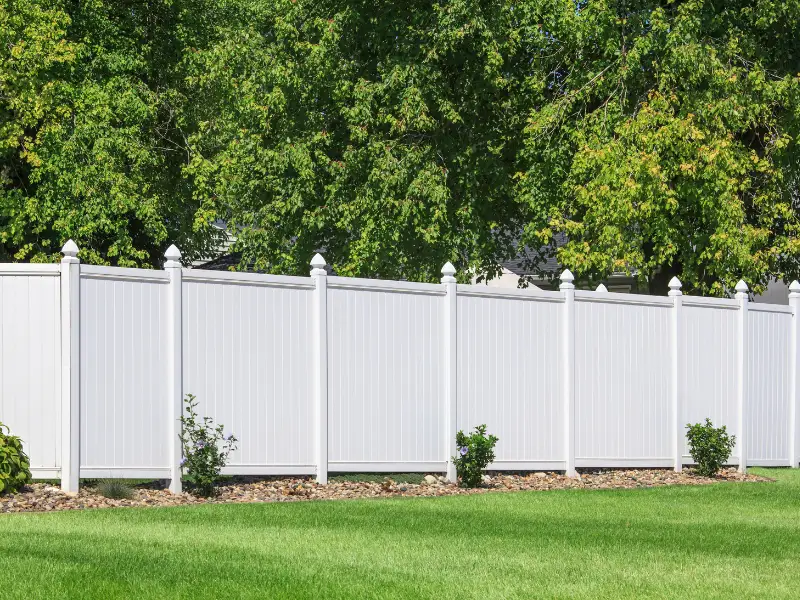
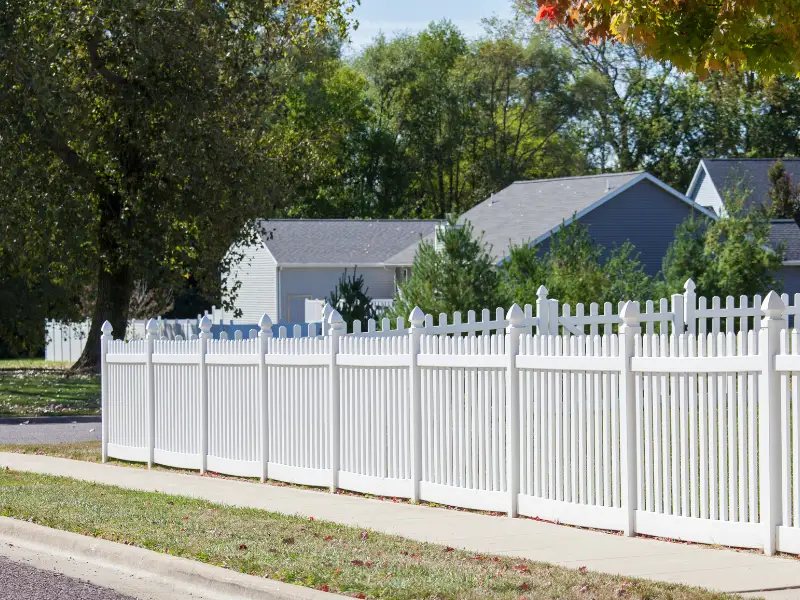
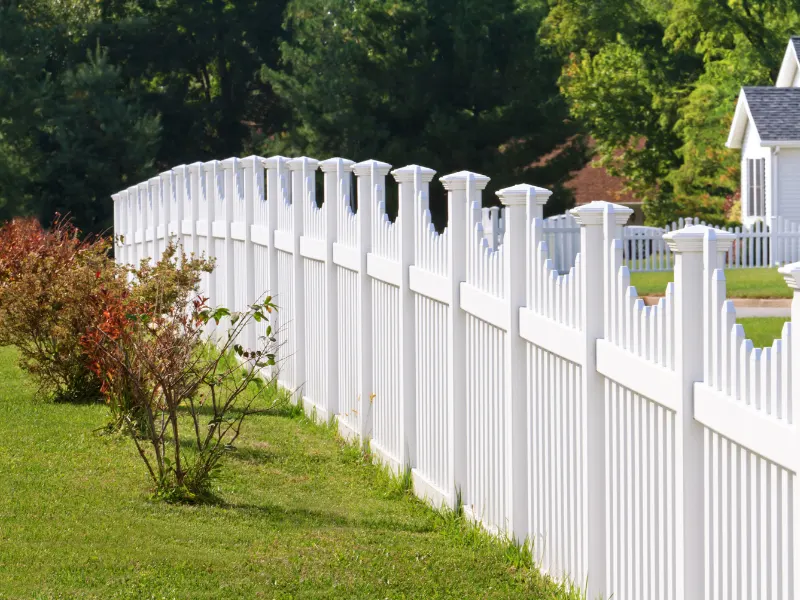
Vinyl (PVC) fencing offers the privacy of wood with virtually zero maintenance. It won’t rot, warp, or need staining just an occasional rinse with a garden hose. Available in privacy, semi-privacy, and ranch-rail styles in white and tan. A strong choice for Burleson homeowners who want a clean, modern look without ongoing upkeep costs.
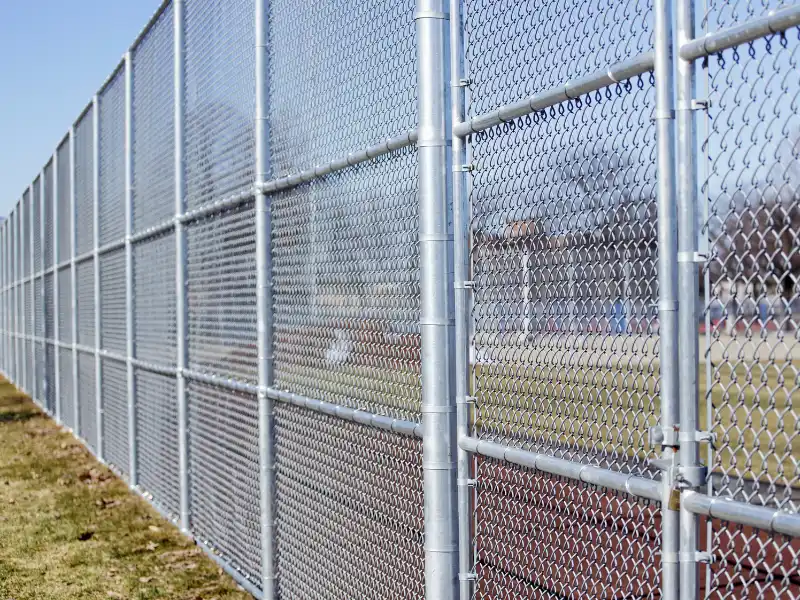
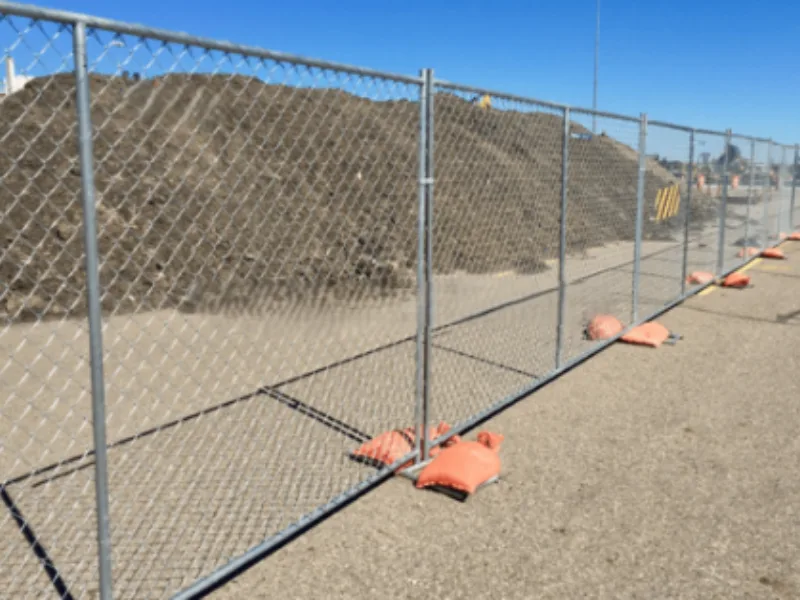
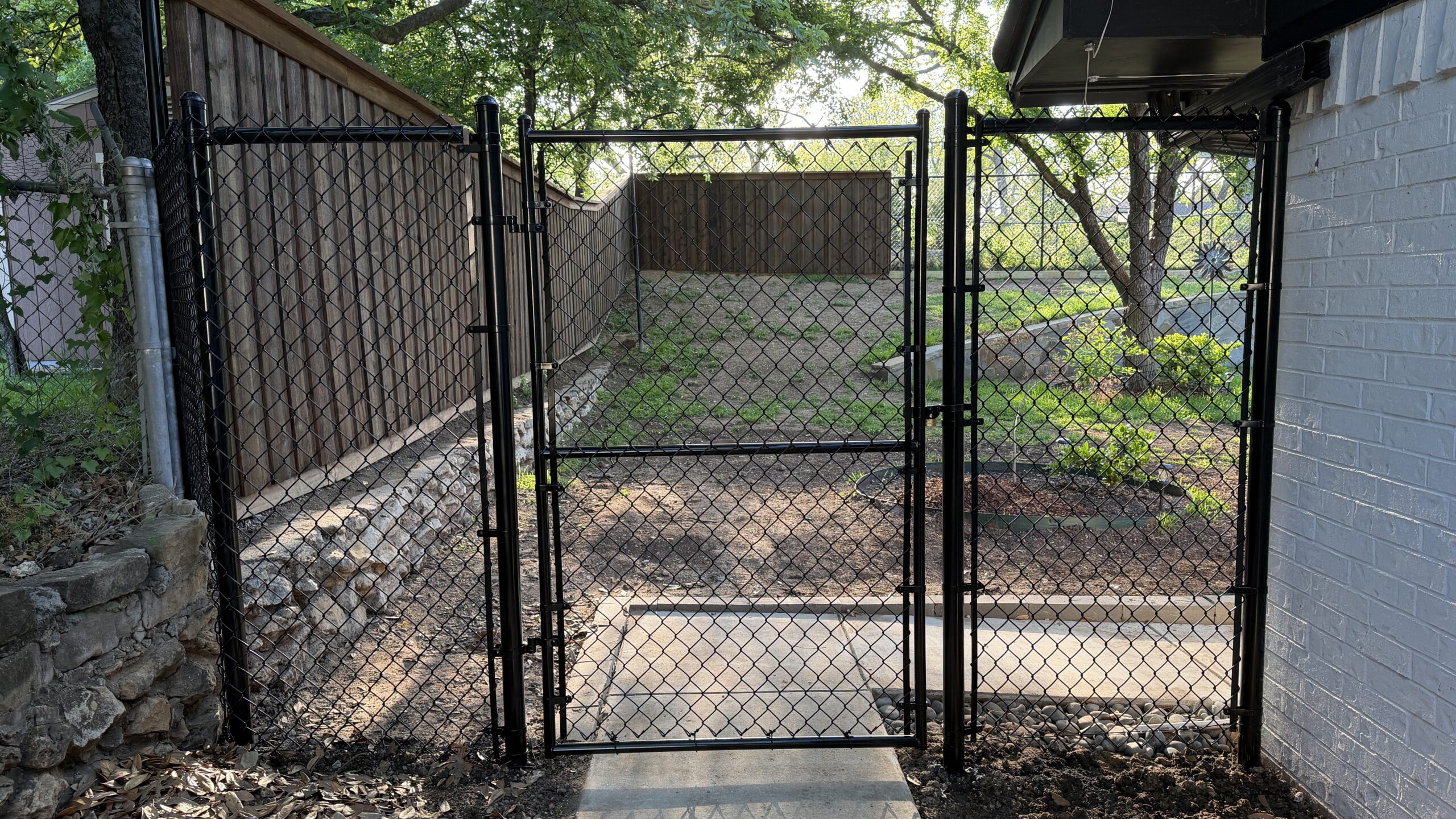
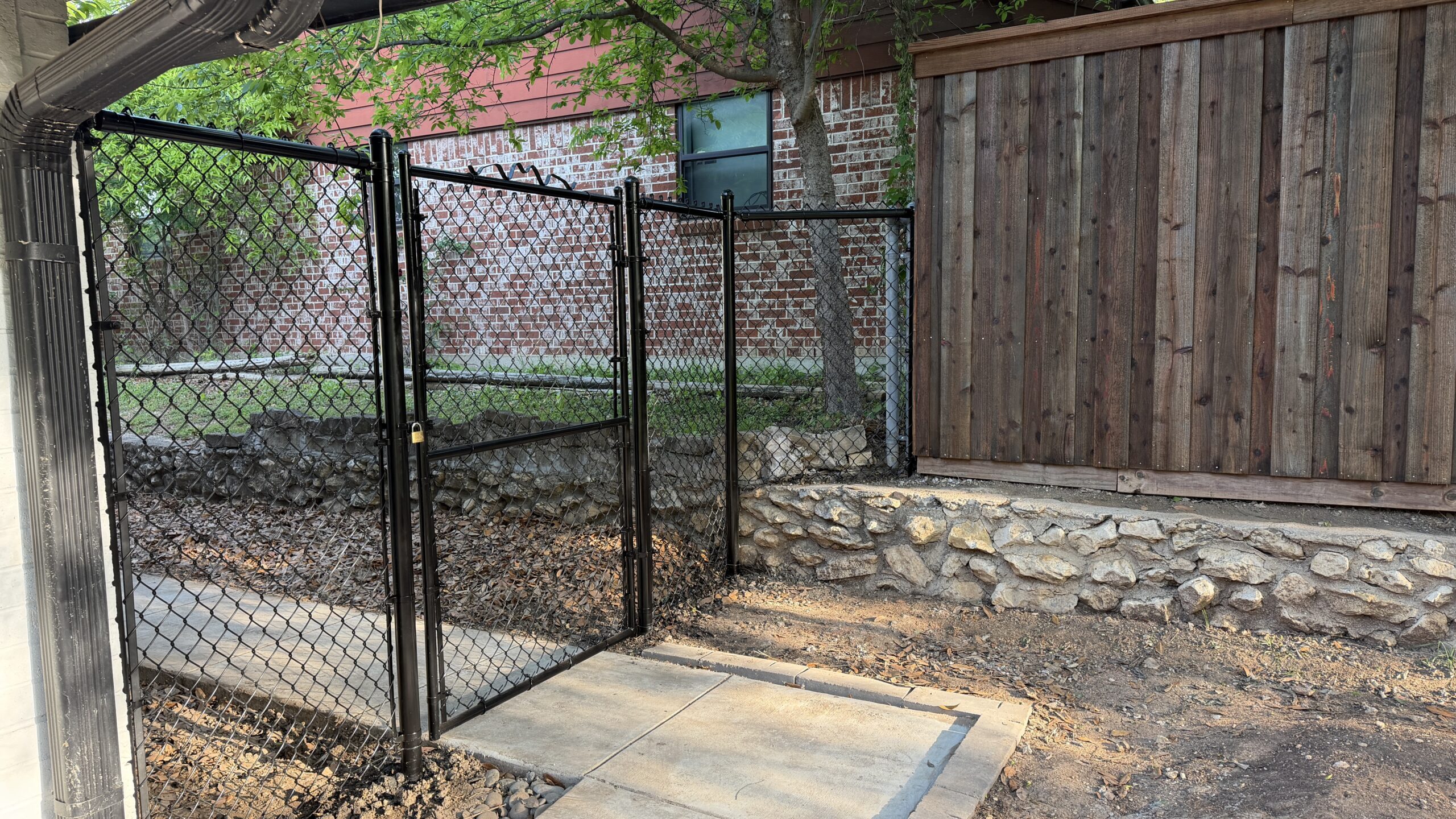
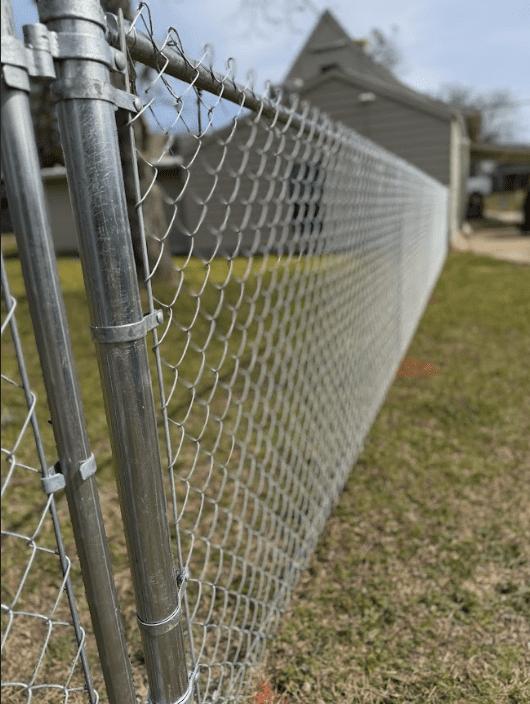
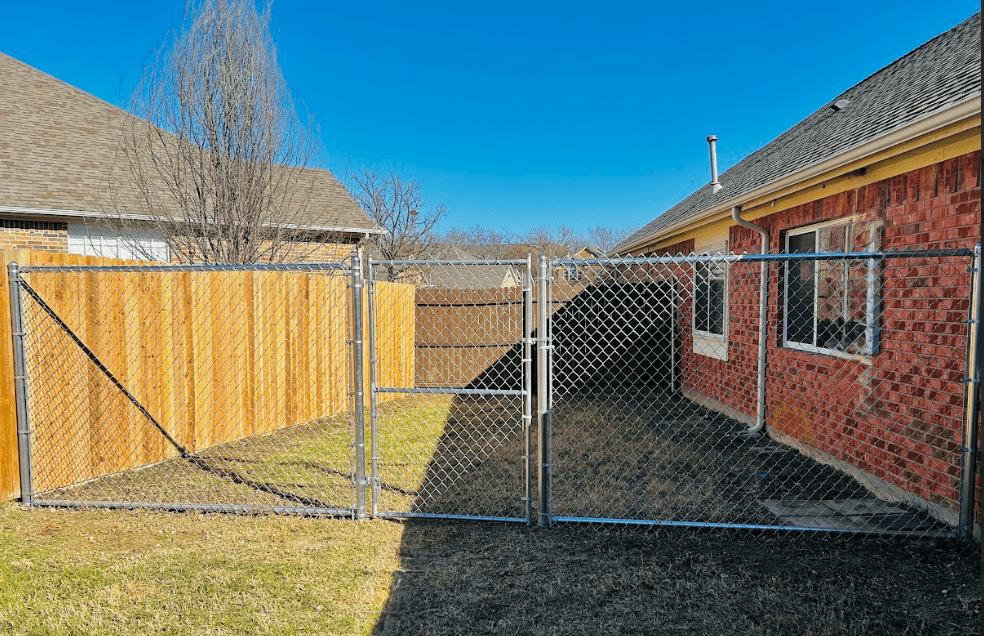
The most budget-friendly option for property boundaries, pet containment, and utility areas. Chain link is durable, long-lasting, and available in standard galvanized or vinyl-coated (green, black, brown) finishes for improved appearance. Privacy slats can be added for additional screening. Popular in Burleson for backyard dog runs, side yards, and large-lot perimeters.
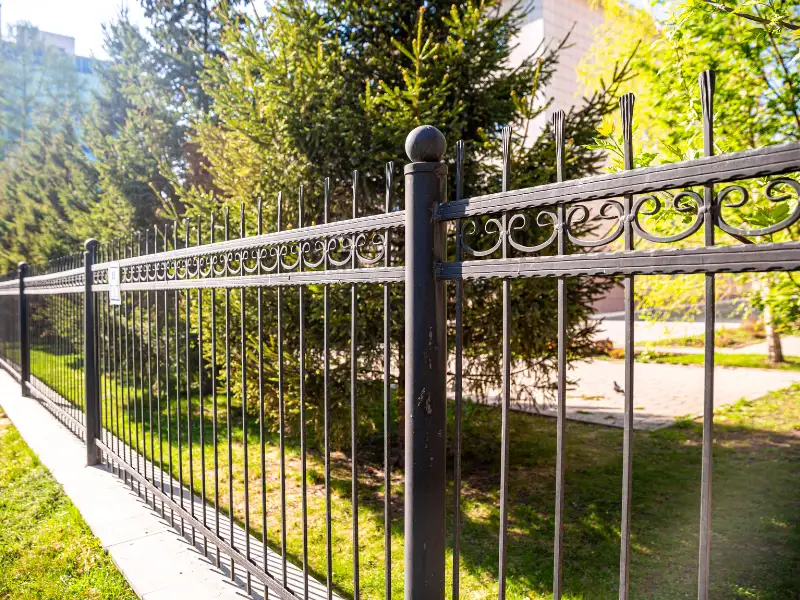
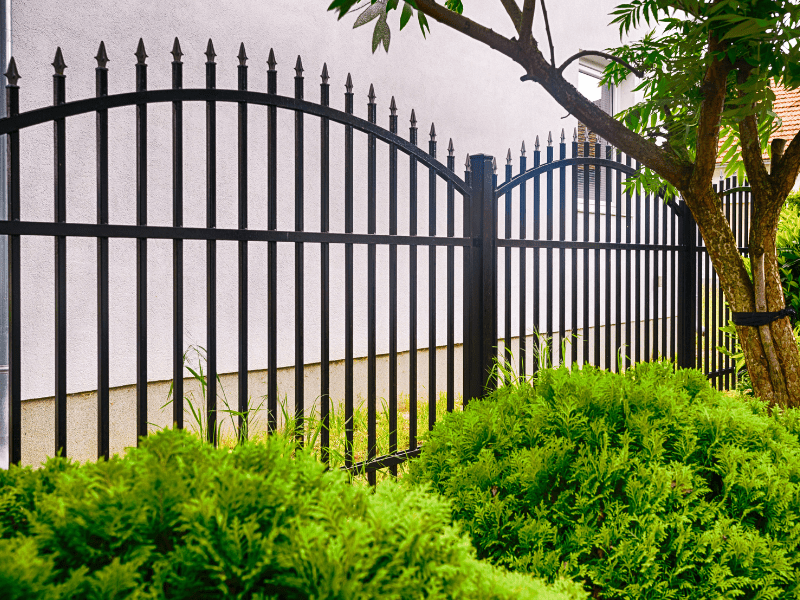
Every residential fence project includes gate planning. We install single walk-through gates, double drive gates for driveways, and custom decorative gates in wood, iron, or combination styles. Gate hardware, hinges, and self-closing mechanisms for pool enclosures are included in your project quote.
Browse completed fencing projects across DFW, including Tarrant, Johnson, Parker, Denton, & Hood counties. From residential cedar privacy fences to commercial chain link security systems, every installation demonstrates our commitment to quality craftsmanship and customer satisfaction.
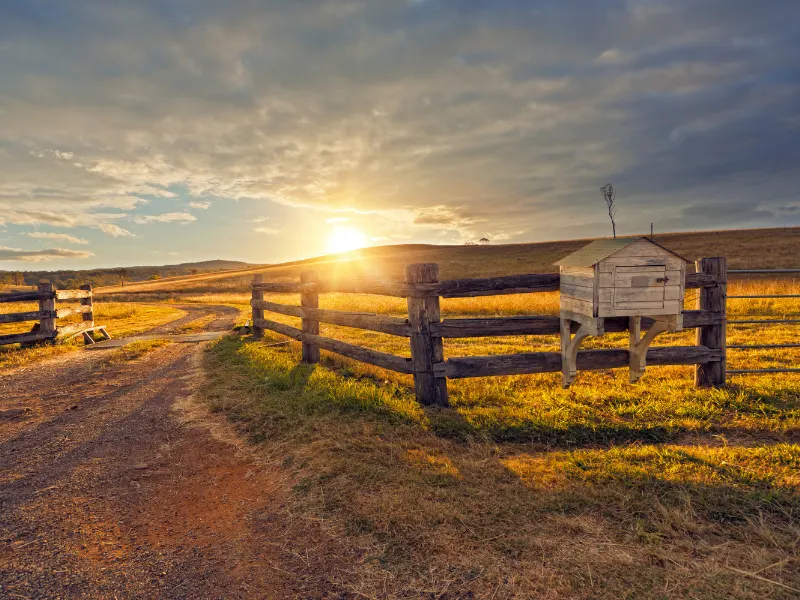
Defender Fence Company is your trusted local fencing contractor in Burleson, TX, proudly serving the DFW Metroplex and surrounding areas. We specialize in residential, commercial, and farm & ranch fencing, as well as temporary fence rentals, repairs, and custom gate installations. Our team is dedicated to providing top-quality materials, expert craftsmanship, and dependable service on every project. Whether you need to enhance your home’s curb appeal, secure your property, or build durable ranch fencing, Defender Fence Company delivers results you can count on throughout North Texas.
Schedule Free Fence Estimate
Call, text, or submit our online form any time. Share basic details about your fence type, approximate length, and preferred timeline.
We visit your Fort Worth or Burleson property for precise measurements and layout planning. Before installation, underground utilities are clearly marked, property lines are reviewed, and material options that fit your budget are given.
Review your proposal and ask questions about materials, colors, or installation methods. Once approved, choose your preferred payment option including zero-interest financing for qualified buyers.
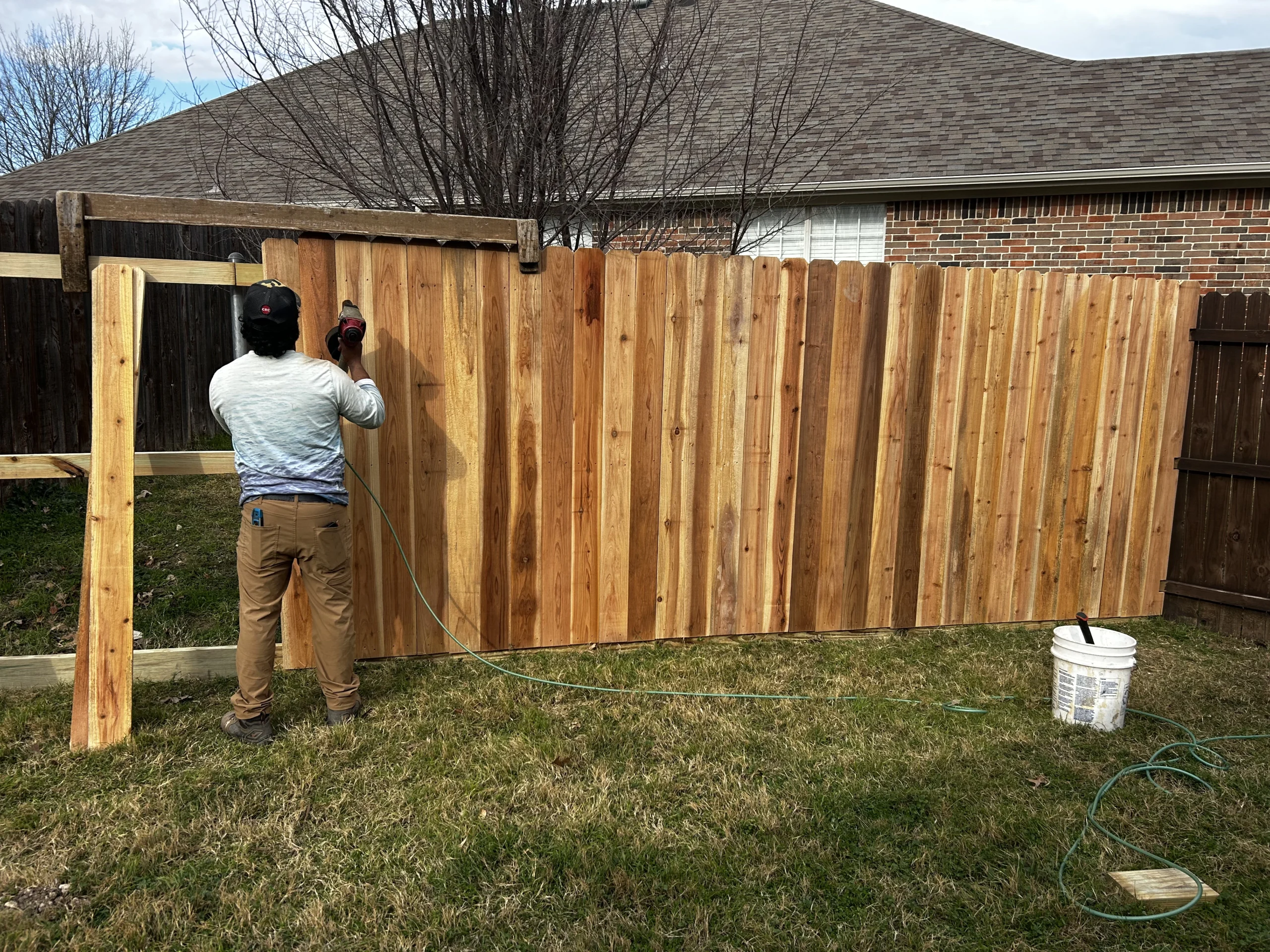
Crews arrive on schedule with all materials and equipment. During installation, we're careful to make sure your landscape is protected and undisturbed. Once your fence is complete, we'll perform a final walkthrough with you to ensure you're 100% satisfied with you're new fence.
Protect your home and family with a beautiful fence designed to provide comfort, safety, and peace of mind.
Enhance the look of your property with a fence that complements your home’s design and landscape.
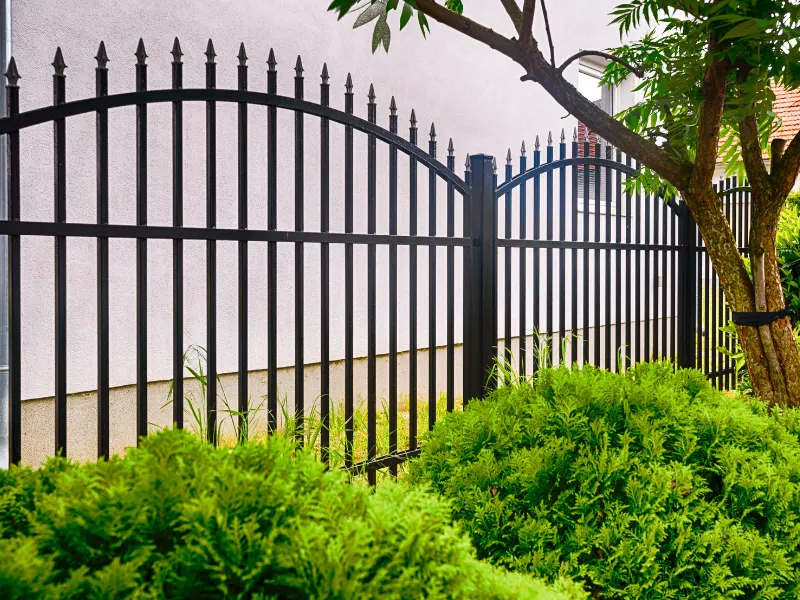
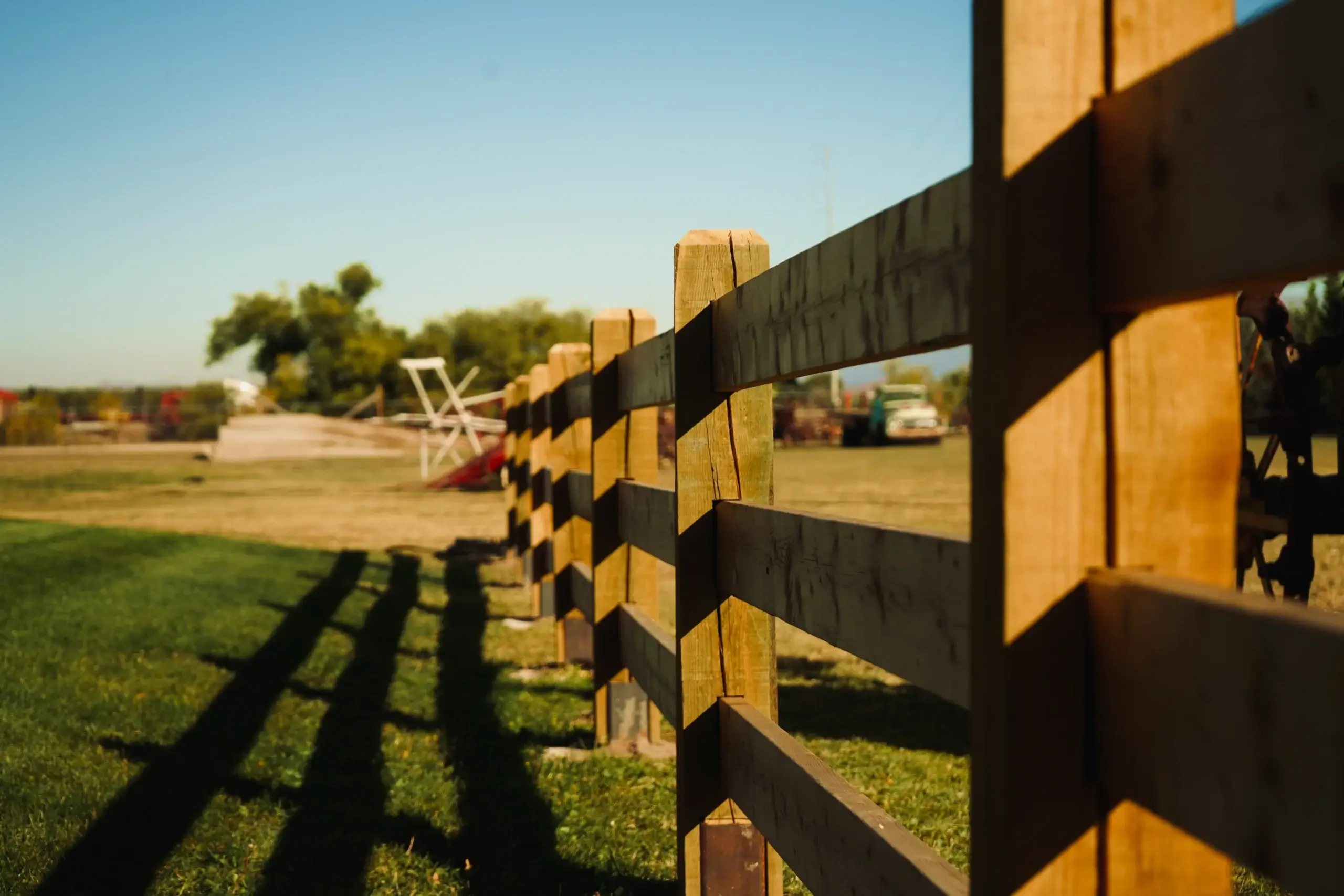
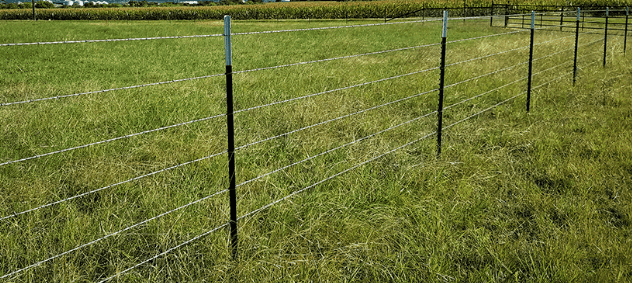
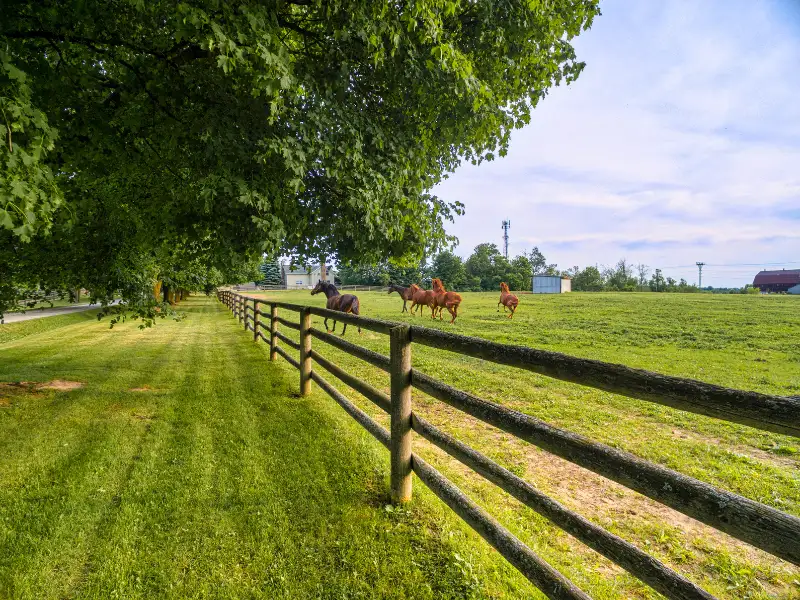
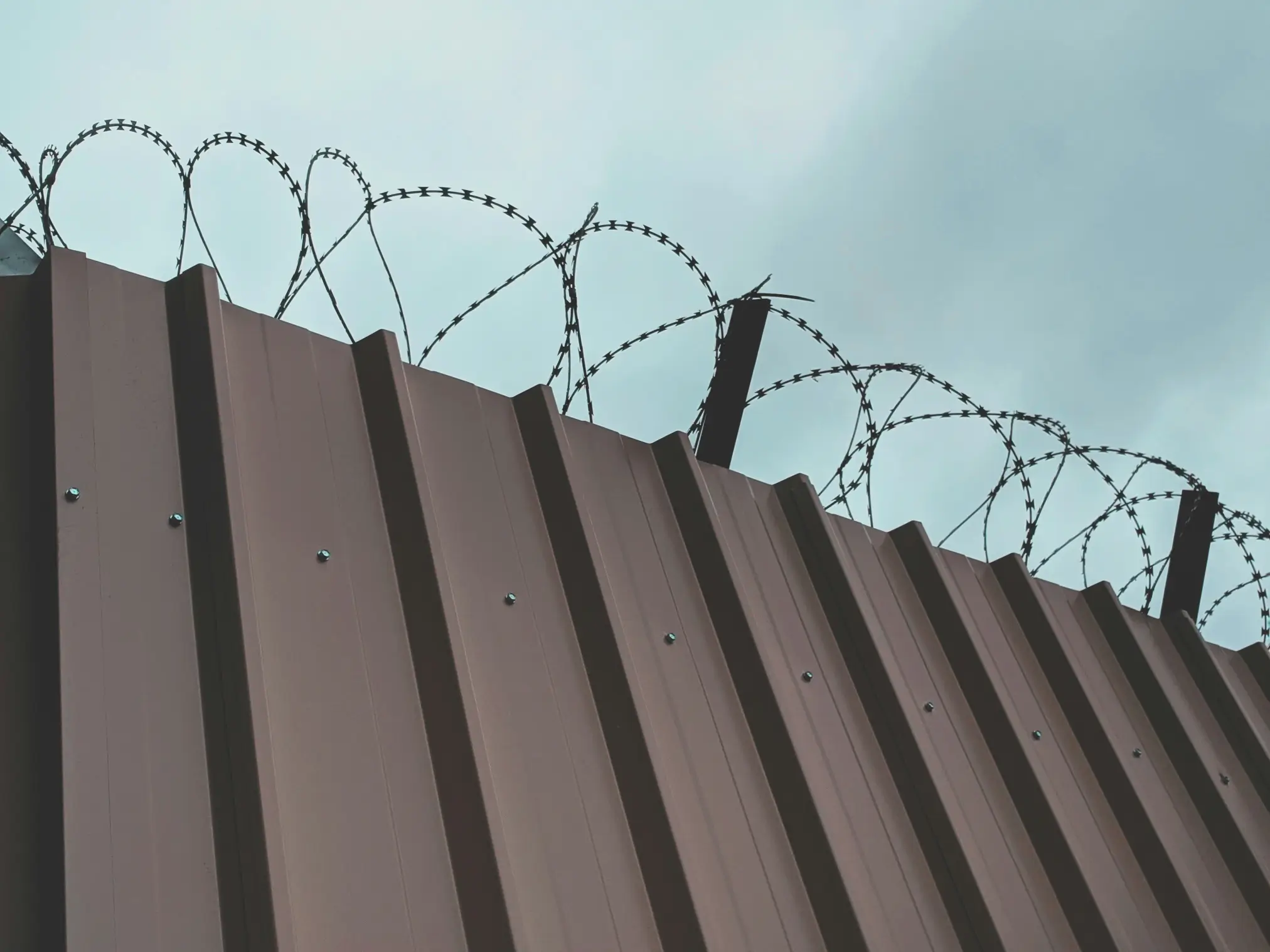
From wood to chain link, to barbed wire or decorative iron designs, we offer fencing styles tailored to your vision.
Fort Worth is one of the largest and most diverse cities in North Texas, with everything from historic neighborhoods and established residential areas to luxury communities and rapidly growing new developments. Each area can have different fencing styles, property layouts, and HOA requirements. Here’s how we serve the Fort Worth area:
Tanglewood, Overton Park, and Westcliff — established neighborhoods where cedar privacy fencing, decorative iron, and custom fence replacements are common, often with an emphasis on matching the character and quality of the property
Arlington Heights, Fairmount, and Ryan Place — older Fort Worth neighborhoods where projects may involve removing aging fencing, working around mature landscaping, and installing new cedar or ornamental iron fencing that complements the home
Ridglea Hills, Mira Vista, and southwest Fort Worth — larger and higher-end properties that often call for upgraded cedar fencing, modern horizontal designs, iron fencing, driveway gates, and custom combinations
North Fort Worth and Alliance-area communities — newer subdivisions and growing residential developments where HOA fence standards, first-time installations, and replacement of builder-grade fencing are common
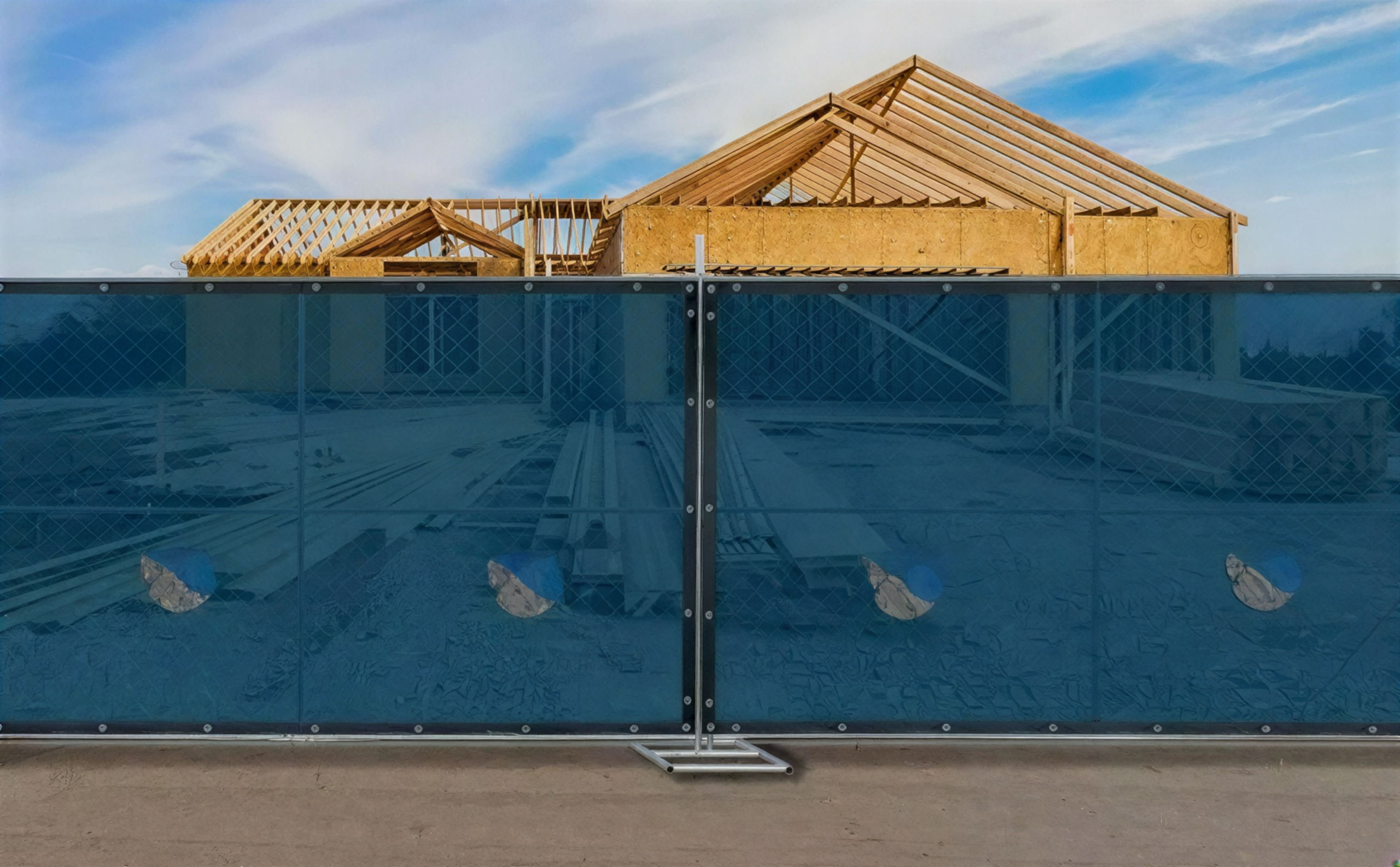
Commercial and industrial areas throughout Fort Worth — businesses, warehouses, construction sites, multifamily properties, and commercial facilities that may require chain-link, iron, security fencing, gates, or temporary fence rentals
We also serve Burleson, Crowley, Mansfield, Arlington, Keller, Weatherford, Granbury, and communities throughout the DFW Metroplex.
See our complete service areas list
Get In Touch
Main Office:
1169 N Burleson Blvd Burleson, TX 76028
Address
Serving the entire DFW Metroplex, surrounding communities & rural areas
Schedule Free Fence Estimate