
Introduction
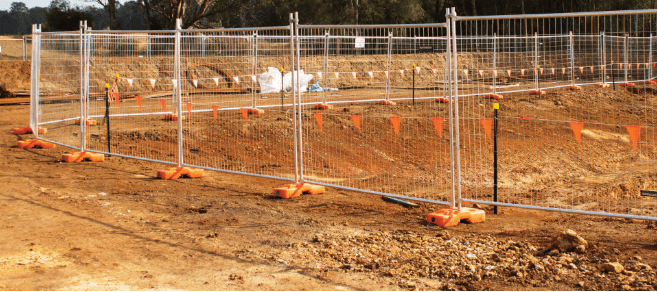
Temporary fencing is a versatile solution for construction sites, events, or situations where short-term boundaries are needed. Unlike permanent fences, temporary fencing is easy to install, relocate, and remove. This blog explores why temporary fencing is essential and how to choose the right type.
Benefits of Temporary Fencing
- Safety: Protects workers and visitors on construction sites.
- Crowd Control: Useful for events, festivals, and public gatherings.
- Cost-Effective: Affordable alternative to permanent fencing.
- Flexible: Can be moved and reused multiple times.
Common Types of Temporary Fencing
- Chain Link Panels
- Popular for construction sites.
- Easily connected to form secure boundaries.
- Plastic Barriers and Mesh Fencing
- Lightweight and portable.
- Ideal for events and short-term projects.
- Steel Crowd Control Fences
- Heavy-duty option for large events.
- Provides maximum security and crowd management.
Choosing the Right Temporary Fence
- Purpose: Safety, crowd control, or property protection?
- Location: Consider terrain and accessibility.
- Size and Height: Make sure it covers the required area.
- Durability: Choose materials that can withstand weather and frequent movement.
Installation Tips
- Use professional installers for large-scale sites.
- Ensure panels are secure and properly connected.
- Consider signage or reflective tape for visibility at night.
Conclusion
Temporary fencing is a practical, flexible solution for any project or event. From construction zones to festivals, the right temporary fence ensures safety, control, and peace of mind—without the commitment of a permanent installation.